You’ve just finished braces, or maybe it’s been a few months since your last adjustment. Slipping in your retainer feels like a victory lap for your smile. But then—ouch—that subtle squeeze hits. Is this tightness a red flag, or just part of the journey? Many folks fresh out of orthodontic treatment face this exact moment. It can spark worry about whether your hard-earned alignment is slipping away. Rest easy. We’re diving into the whys and hows, so you can navigate this with confidence and keep grinning wide.
Understanding Why Your Retainer Feels Tight
Retainers play a starring role in post-orthodontic life. They hold teeth in their new spots after braces or aligners do the heavy lifting. But that snug sensation? It’s common, especially early on.
Teeth naturally want to wander. Without consistent wear, even tiny shifts happen overnight. Your retainer pushes back gently, creating that pressure. Think of it as a friendly nudge, not a full shove.
New retainers often start too tight. Fresh from the lab, they mold precisely to your bite. Over days, your mouth adapts, and the fit eases. Growth spurts in teens or jaw changes in adults can amp this up. Saliva buildup or minor swelling from daily habits might add to it.
Bottom line: Mild tightness signals your retainer is doing its job. It resists relapse, keeping alignment intact.
When Tightness Crosses into Concern Territory
Not all pressure is equal. A light hug? Totally fine. But sharp pain, sores, or a fit that won’t budge? That’s your cue to pause.
Severe tightness often points to bigger shifts. Skipping nights of wear lets teeth drift, making reinsertion a battle. Warped retainers from heat exposure—like hot cars or dishwashers—lose shape fast. Plaque or bacteria can inflame gums, worsening the feel.
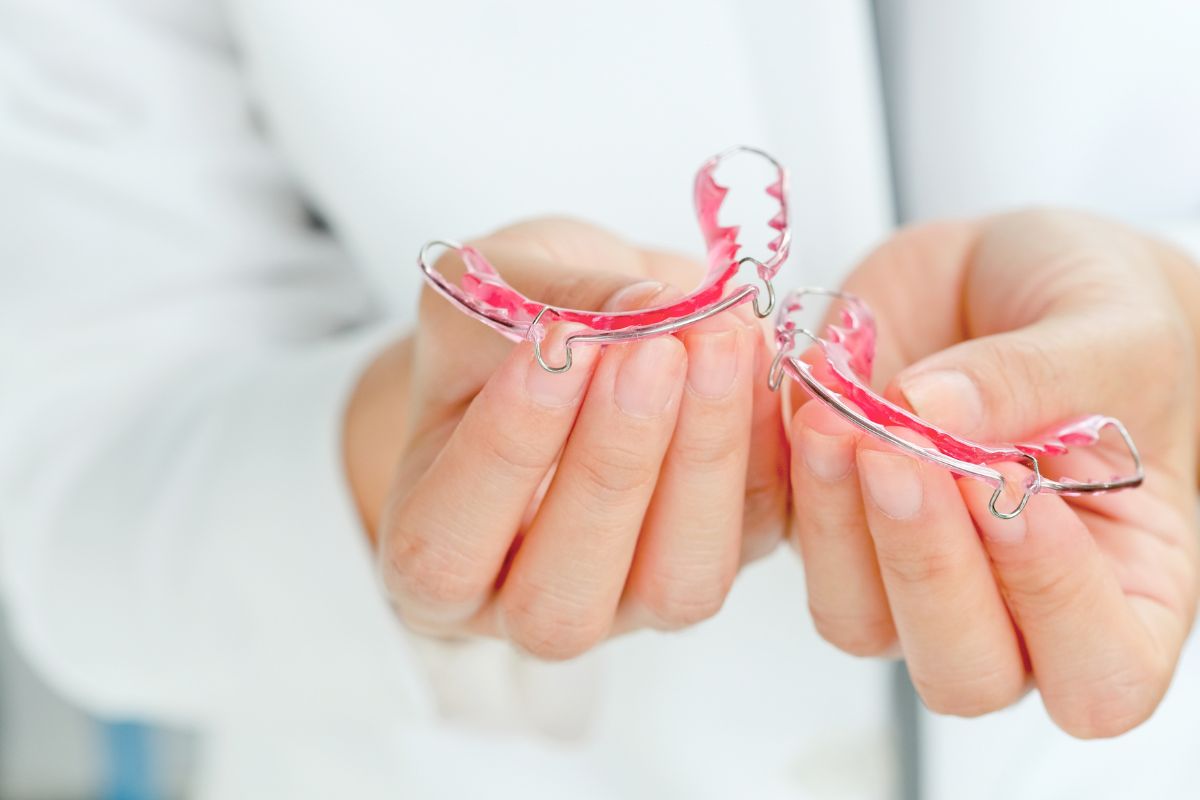
Fixed retainers, those thin wires behind teeth, might tug if plaque builds or wires bend. Removable ones, like clear Essix or Hawley models, show it quicker when you pop them in.
If discomfort lingers past a week or if you spot gaps between the retainer and teeth, act. Untreated, it risks full relapse. Early tweaks prevent costly comebacks.
Retainer Compliance Stats Over Time
| Time After Debonding | Compliance Rate (%) | Key Insight |
|---|---|---|
| 0-3 Months | 69 | Highest adherence; excitement is fresh. |
| 4-6 Months | 76 | Peak wear; routine sets in. |
| 7-9 Months | 55 | Dip begins; life distractions hit. |
| 10-12 Months | 62 | Rebound possible with reminders. |
| 13-18 Months | 45 | Long-term fade; check-ups boost. |
| 19-24 Months | 45 | Nightly wear drops; lifelong habit needed. |
These figures, drawn from orthodontic studies, highlight how compliance wanes. Consistent use cuts shifting risks by up to 80%. Track your wear to stay in the green.
Practical Tips to Ease Retainer Discomfort
Ready to dial down the squeeze? Start simple at home.
Ease in gradually. Wear it for short bursts if it’s been a while. Build to full nights over days. Warm water soaks soften the material slightly—never hot, though.
Clean daily. Brush with mild soap, not toothpaste, which scratches. Soak in retainer cleaner weekly. Fresh retainers mean less irritation.
Massage gums gently post-insertion. Over-the-counter wax pads cushion sore spots, like on braces.
For fixed types, floss threads keep wires clear. If eating chewy foods, cut bites small to avoid pulls.
Speaking of meals, many wonder about dining with appliances in place. Is it wise to chew through lunch without removing your retainer? For most removable styles, yes—soft foods slide fine. But sticky bites like caramel can trap and tug. Rinse after, and pop it out for crunchies to avoid damage.
Stay hydrated. Dry mouth amps sensitivity. Chew sugar-free gum to boost saliva flow.
These steps restore comfort fast. Most see relief in 48 hours.
Exploring Retainer Types and Their Fit Quirks
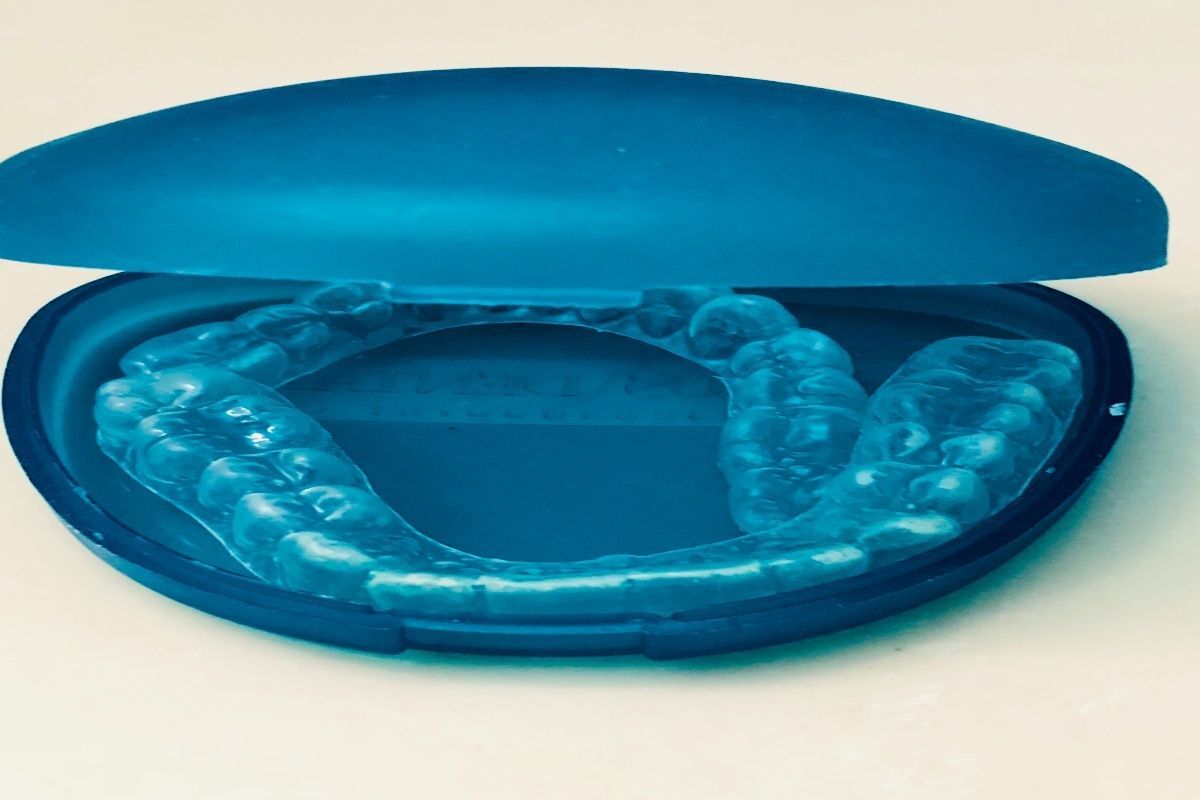
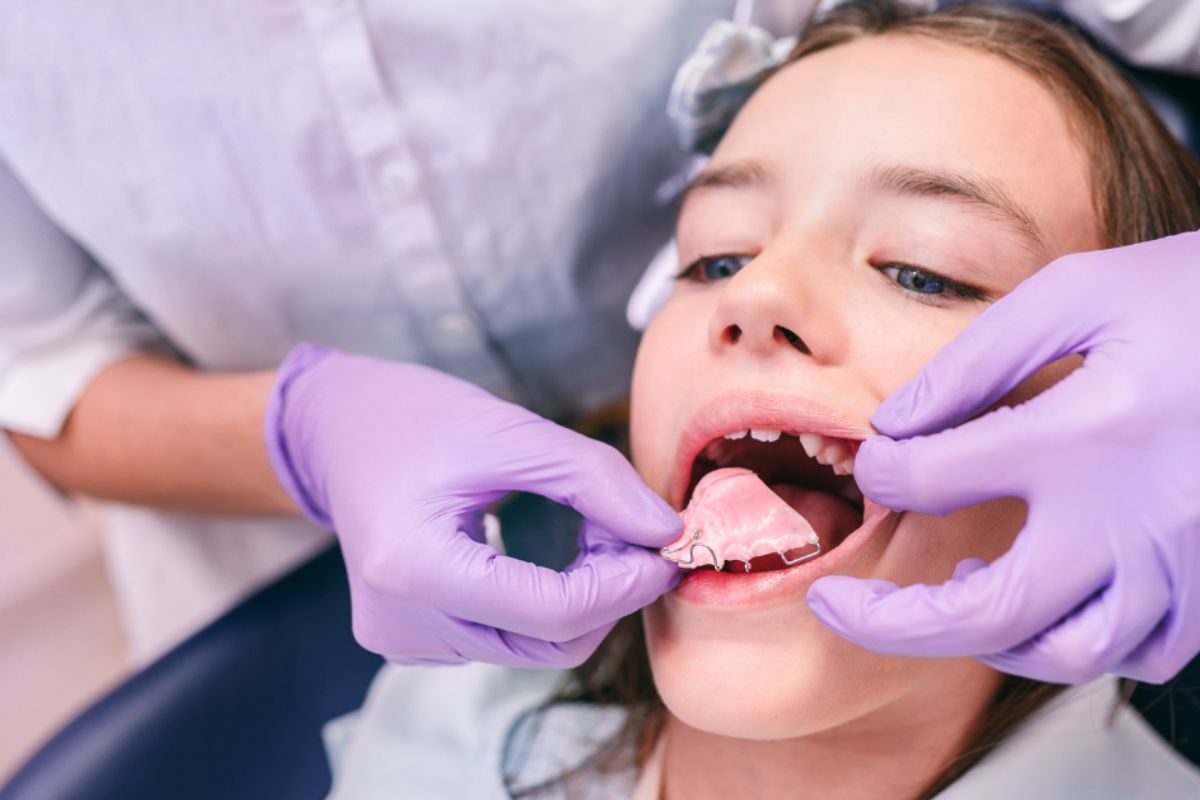
Options abound in orthodontic retention. Clear plastic ones hug invisibly but can pinch if undersized. Acrylic Hawley models with wires adjust more easily but feel bulkier at first.
Permanent bonds suit low-maintenance folks. They lurk unseen but demand flossing diligence to dodge tightness from buildup.
Each has quirks. Night-only wear? Expect morning snugness from overnight settling. Full-day protocols build tolerance quicker.
Choosing right? It ties to lifestyle. Active eaters lean removable. Forgetful types? Fixed wins.
When weighing local choices, our retainers in Broken Arrow, OK shine for custom comfort. Tailored fits mean less initial pushback, blending seamlessly into daily routines like school runs or weekend hikes.
Trending FAQs About Retainer Tightness
Curious what others ask? Google trends reveal hot queries on this snag. Here’s a quick roundup with straight answers:
- Why does my retainer feel tight after not wearing it? Teeth shift fast— even one skipped night invites drift. Resume wear ASAP; it reseats gently over time.
- Can I still wear my retainer if it’s tight? Yes, if mild. Force nothing painful. If it bites back hard, consult pros to avoid enamel stress.
- How long should a new retainer feel tight? Typically 3-7 days. Your bite settles as muscles adjust. Persistent? Size check needed.
- What if my fixed retainer feels tight? Often, the plaque or wire bends. Floss daily; a quick ortho visit straightens it out.
- Is retainer tightness worse at night? Common—relaxed jaw lets teeth roam. Consistent evenings prevent buildup.
These cover 70% of searches, per data dives. Got more? Your ortho team’s got you.
Long-Term Strategies for Retainer Success
Tightness today? It whispers about tomorrow’s smile. Build habits now for effortless wear later.
Set phone reminders. Nightly rituals, like brushing, pair well. Track apps log compliance, spotting slip-ups early.
Annual check-ins catch wear. Retainers last 1-5 years, depending on type. Replacements keep fits fresh.
Lifestyle tweaks help. Avoid clenching from stress—night guards pair if grinding’s an issue, but stick to ortho basics.
Mindset matters. View your retainer as smile insurance. That initial pinch? Proof of progress.
If you are searching for an orthodontist near you, prioritize spots with patient-focused retention plans. Local expertise ensures tweaks fit your life, from teen sports to adult shifts.
Wrapping Up: Keep Your Smile Steady and Stress-Free
That tight retainer? It’s rarely a crisis, more a checkpoint on your alignment adventure. From understanding shifts to smart care hacks, you’ve got tools to tame it. Embrace the nudge—it’s guarding your grin for years ahead. Small steps today lock in big confidence tomorrow.
Ready to chat about fits or fine-tune your routine? Schedule an appointment with a trusted orthodontic team. Your effortless smile awaits.