When people notice someone wearing a clear orthodontic appliance, they often ask the same question: “Is that Invisalign or a retainer?” At first glance, the two can look very similar because both are made from transparent plastic and fit snugly over the teeth. However, they serve completely different purposes.
Invisalign® aligners are designed to actively move teeth into healthier positions, while retainers are worn after orthodontic treatment to help maintain the results. Although appearance is important, choosing between Invisalign and a retainer isn’t simply about which one is less noticeable—it depends on where you are in your smile journey.
Research continues to show that clear aligners are popular because of their discreet appearance and patient satisfaction. A recent systematic review found that Invisalign and other clear aligner systems provide a highly esthetic alternative to traditional braces and are associated with high patient satisfaction, particularly for mild-to-moderate orthodontic cases.
Let’s explore how Invisalign and retainers compare in appearance, comfort, function, daily wear, and overall lifestyle.
What Is Invisalign?
Invisalign is a clear aligner system that gradually moves teeth using a series of custom-made aligners.
Patients typically wear each aligner for one to two weeks before switching to the next set.
Orthodontists commonly recommend wearing Invisalign aligners:
- 20–22 hours per day
- Removing them only for meals, brushing, and flossing
Invisalign may be used to treat:
- Crowded teeth
- Spaces between teeth
- Mild to moderate overbites
- Certain crossbites
- Underbites
- Relapse after previous orthodontic treatment
What Is a Retainer?
A retainer is worn after orthodontic treatment to prevent teeth from gradually shifting back toward their original positions.
Retainers do not actively straighten teeth.
Common types include:
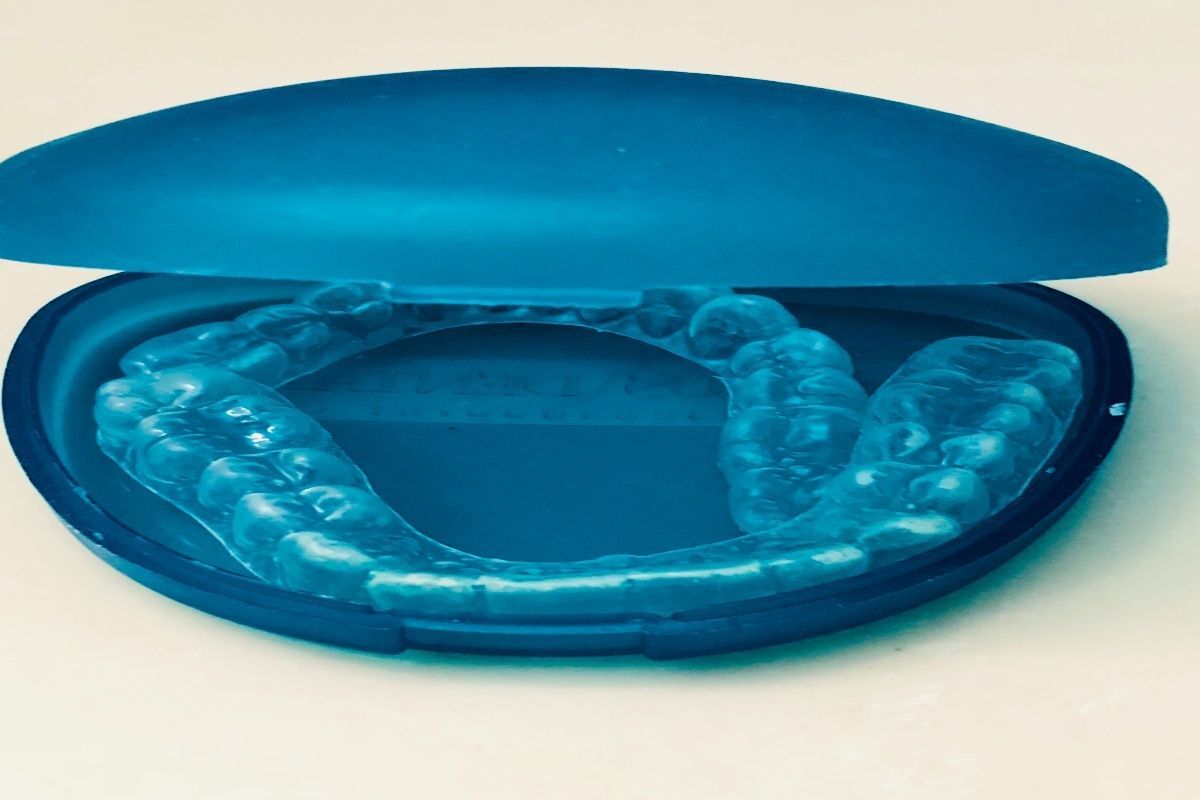
- Clear Retainers: These resemble Invisalign aligners and are made from transparent plastic.
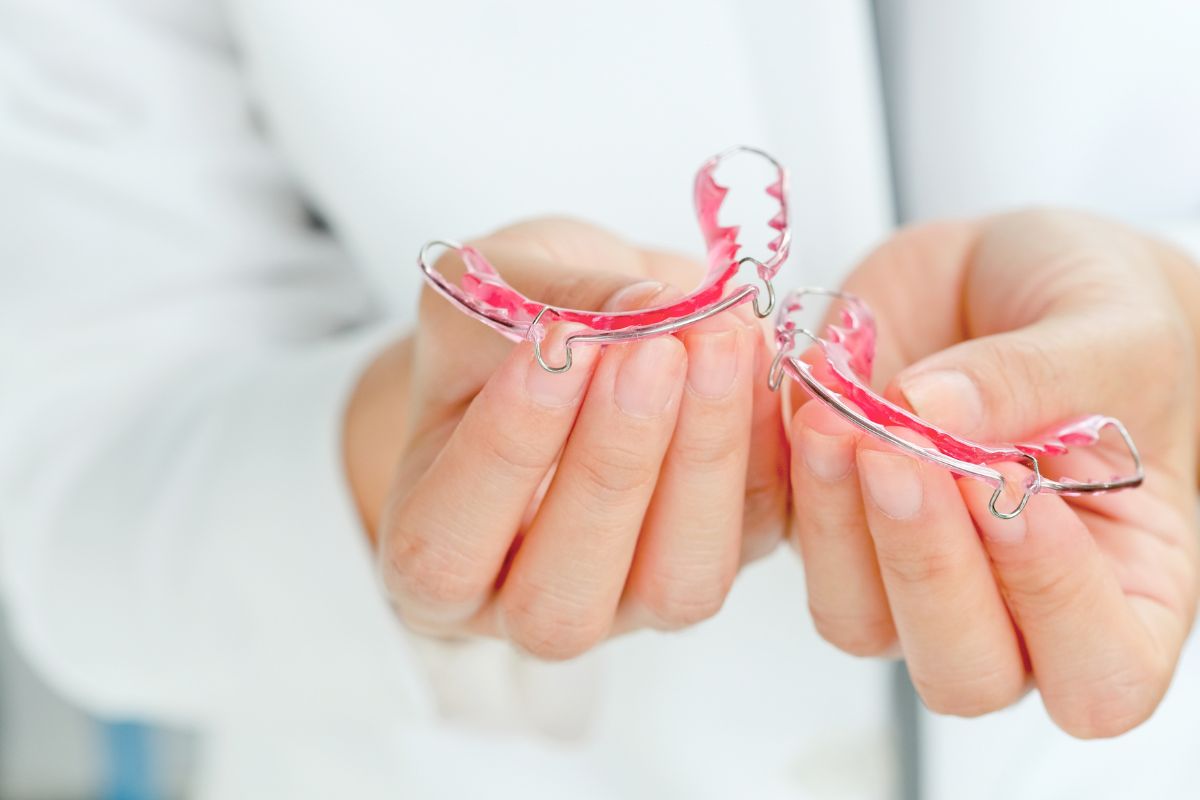
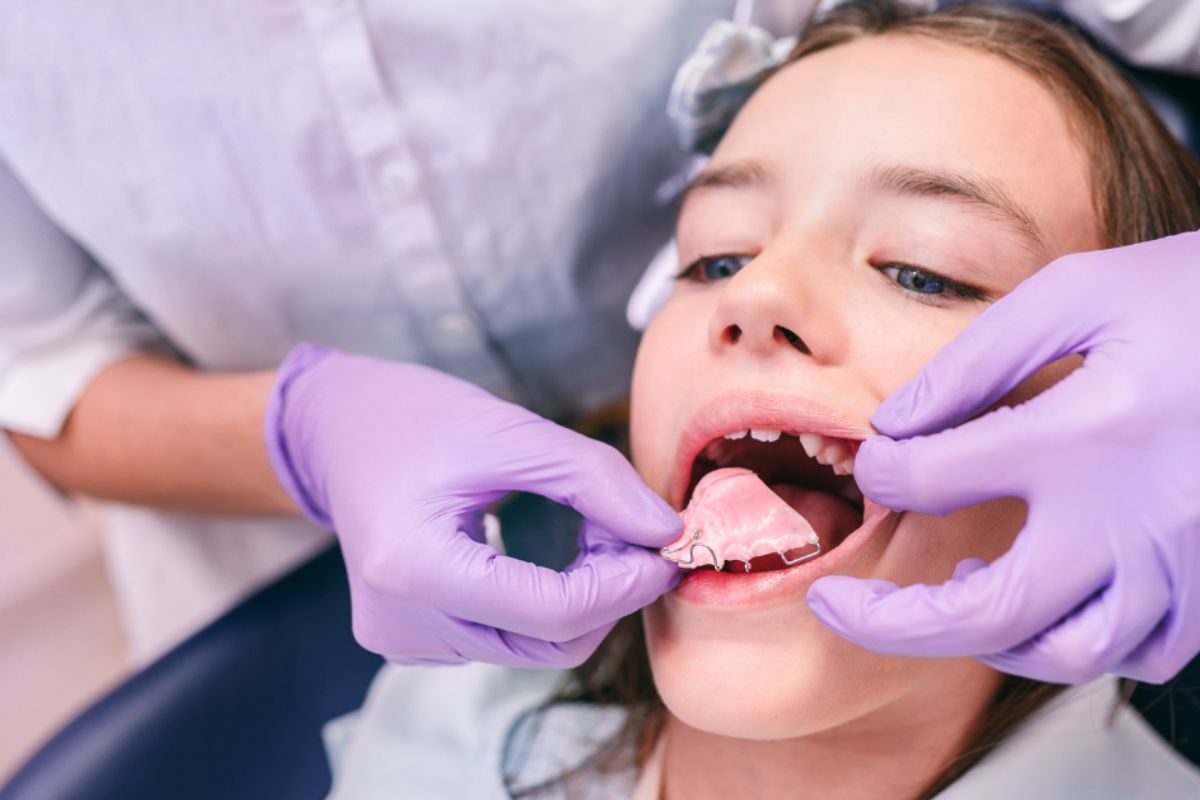
- Hawley Retainers: These include an acrylic base with a visible metal wire across the front teeth.
- Fixed (Bonded) Retainers: A thin wire is permanently bonded behind the front teeth, making it invisible from the front.
Invisalign vs. Retainers: Quick Comparison
| Feature | Invisalign | Clear Retainer |
| Purpose | Straightens teeth | Maintains alignment |
| Appearance | Nearly invisible | Nearly invisible |
| Removable | Yes | Yes |
| Treatment | Active | Passive |
| Daily Wear | 20–22 hours | Varies based on the orthodontist’s instructions |
| Tooth Movement | Yes | No |
Which Looks Better?
From a cosmetic standpoint, Invisalign and clear retainers look remarkably similar.
Both are:
- Transparent
- Thin
- Custom-made
- Designed to fit closely over the teeth
Most people standing a normal conversational distance away will not notice either appliance.
However, there are subtle differences.
Invisalign
Because Invisalign aligners are engineered to move teeth, they may include:
- Precision attachments
- Small tooth-colored bumps
- Elastics (for some patients)
These features can make Invisalign slightly more noticeable during treatment.
Clear Retainers
Clear retainers are generally smooth and do not include orthodontic attachments.
As a result, they may appear even less noticeable than Invisalign aligners once orthodontic treatment is complete.
Appearance Comparison
Invisalign Advantages
- Nearly invisible
- Modern appearance
- Fits tightly over teeth
- Popular among teens and adults
Retainer Advantages
- Also nearly invisible
- No attachments
- Smooth surface
- Worn mainly after treatment
If appearance alone is your priority, clear retainers often have a slight cosmetic advantage because they usually lack attachments or elastics.
Comfort Comparison
Both appliances are made from smooth plastic.
Invisalign
Patients commonly notice:
- Mild pressure
- Tightness with each new aligner
- Temporary soreness as teeth move
This pressure is expected because Invisalign is actively repositioning teeth.
Retainers
Retainers in Broken Arrow should feel snug but generally do not create continuous orthodontic force.
A systematic review of 17 studies on patient perceptions of orthodontic retainers found that retainers can cause an initial period of discomfort and functional limitations, but these effects typically decrease over time. The review also reported that patients generally preferred clear thermoplastic retainers to Hawley retainers for their appearance and comfort, although the certainty of the evidence was low.
Daily Lifestyle
Invisalign
Patients should:
- Remove aligners before meals
- Brush after eating
- Wear aligners for at least 20–22 hours daily
Because treatment success depends on consistent wear, compliance is essential.
Retainers
After orthodontic treatment, many patients eventually transition to wearing retainers only at night, following their orthodontist’s recommendations.
This schedule is generally easier to maintain than full-time orthodontic treatment.
Oral Hygiene
Both Invisalign and removable retainers allow patients to brush and floss normally after removing the appliance.
Good oral hygiene habits include:
- Brushing twice daily with fluoride toothpaste
- Flossing once daily
- Cleaning aligners or retainers regularly
- Avoiding hot water that can warp plastic appliances
Speech Differences: Invisalign vs. Retainers
Many patients worry that wearing a clear orthodontic appliance will affect the way they speak. Because both Invisalign aligners and clear retainers cover the teeth, they can temporarily alter tongue placement when pronouncing sounds such as S, Z, SH, and TH.
Research suggests that these speech changes are usually mild and improve as patients adapt.
A systematic review evaluating clear aligners and speech found that temporary articulation changes were most noticeable during the first 7–14 days of treatment, with most patients adapting within the first few weeks. The sounds most commonly affected included /s/, /z/, /sh/, and /th/.
Because retainers do not apply continuous orthodontic forces, patients who have already completed treatment often adapt more quickly if they have previously worn clear aligners.
Effectiveness: Which Appliance Does More?
Although Invisalign and retainers may look similar, they perform very different functions.
Invisalign Actively Moves Teeth
Each aligner is designed to create carefully controlled tooth movement.
Depending on the treatment plan, Invisalign may correct:
- Crowding
- Spacing
- Mild to moderate overbites
- Some underbites
- Certain crossbites
- Rotated teeth
Clinical studies have shown that clear aligners can successfully treat many mild-to-moderate malocclusions when patients wear them as prescribed.
Retainers Preserve Results
Retainers are designed to maintain the final tooth positions after orthodontic treatment.
Without retention, teeth naturally tend to drift over time because of:
- Aging
- Normal bite forces
- Soft tissue pressure
- Bone remodeling
A review published by the Cochrane Collaboration concluded that orthodontic retention is an essential part of treatment because some degree of tooth movement occurs in nearly all patients after braces or aligner therapy if retainers are not worn as directed.
Long-Term Oral Health Benefits
Whether you choose Invisalign for treatment or wear retainers afterward, both appliances play important roles in maintaining a healthy smile.
Invisalign Benefits
Properly aligned teeth may help:
- Improve bite function
- Make brushing and flossing easier
- Reduce plaque-retentive areas caused by crowding
- Promote healthier gums
- Improve smile confidence
The Centers for Disease Control and Prevention (CDC) reports that nearly 47% of U.S. adults aged 30 years and older have some form of periodontal (gum) disease. Straighter teeth can make oral hygiene more effective, although orthodontic treatment alone does not prevent gum disease. Good daily oral care and regular dental visits remain essential.
Retainer Benefits
Retainers help preserve the investment you’ve made in orthodontic treatment by:
- Maintaining tooth alignment
- Reducing orthodontic relapse
- Supporting bite stability
- Helping preserve smile aesthetics
Consistent retainer wear is one of the most important factors in maintaining long-term orthodontic results.
Which Fits Different Lifestyles?
Invisalign May Be Best If You:
- Want to straighten your teeth
- Prefer a nearly invisible appliance
- Can wear aligners 20–22 hours per day
- Want the flexibility to remove aligners for meals and brushing
- Have mild to moderate orthodontic concerns
Retainers Are Essential If You:
- Have completed orthodontic treatment
- Want to keep your teeth from shifting
- Need to maintain your bite correction
- Are you following your orthodontist’s retention plan
Remember, retainers are not an alternative to Invisalign. They serve a different purpose in your orthodontic journey.
Tips for Getting the Best Results
Whether you’re wearing Invisalign or a retainer:
- Follow your orthodontist’s instructions carefully.
- Wear your appliance for the recommended number of hours.
- Clean it daily using products recommended by your orthodontist.
- Remove it before eating unless instructed otherwise.
- Store it safely in its case when not in use.
- Attend scheduled orthodontic checkups.
Consistent care helps improve treatment success and prolongs the life of your appliance.
Conclusion
Invisalign and retainers may appear nearly identical, but they play very different roles in orthodontic care. Invisalign is an active treatment designed to move teeth into healthier positions, while retainers are passive appliances that help preserve those results after treatment is complete.
If your primary concern is appearance, both options are highly discreet. Clear retainers may be slightly less noticeable because they typically lack Invisalign’s attachments or elastics. However, the right choice depends on your treatment stage rather than aesthetics alone.
The best way to determine whether you need Invisalign or a retainer is to schedule a consultation with your local Broken Arrow orthodontist. A personalized evaluation will ensure you receive the appliance that best supports your smile goals, oral health, and long-term results.
Frequently Asked Questions
1. Do Invisalign aligners and clear retainers look the same?
They look very similar because both are made from transparent plastic. Invisalign aligners may include small attachments or elastics, which can make them slightly more noticeable in some cases.
2. Can a retainer straighten my teeth like Invisalign?
No. Retainers are designed to maintain tooth position after orthodontic treatment. They are not intended to move teeth as Invisalign aligners do actively.
3. Which appliance is more comfortable?
Both appliances are generally comfortable. Invisalign may create temporary pressure because it actively moves teeth, while retainers are typically worn to maintain existing alignment and usually feel less forceful after the initial adjustment period.
4. Will Invisalign or retainers affect my speech?
Some patients experience mild speech changes during the first few days of wearing either appliance. Research indicates that most people adapt quickly, and normal speech usually returns within a short period.
5. How long do I need to wear a retainer?
Retention schedules vary. Many orthodontists recommend full-time wear immediately after treatment, followed by nighttime wear for the long term to help prevent teeth from shifting.