You finish orthodontic treatment in Broken Arrow, your braces or aligners are finally off, and then it happens: your retainer disappears, cracks, bends, or suddenly stops fitting correctly. What should you do?
It can be tempting to wait a few days, try to repair the retainer yourself, or assume that missing a few nights will not matter. But retainers play an important role in maintaining orthodontic results because teeth can keep moving after active treatment.
For patients in Broken Arrow, the safest response is usually simple: contact your orthodontist as soon as possible. The American Association of Orthodontists (AAO) specifically advises patients to contact their orthodontist if a retainer is lost, damaged, uncomfortable, or no longer fits properly.
At Emerson Orthodontics, Dr. Clinton Emerson can evaluate your retainer and determine whether you need a replacement, repair, or additional orthodontic treatment.
Why Are Retainers So Important?
Retainers hold teeth in their corrected positions after orthodontic treatment.
After braces or clear aligner treatment, the tissues and bone surrounding the teeth need time to adapt to their new positions. Teeth can also naturally shift throughout life. The AAO explains that retainers are an essential part of orthodontic treatment because they help minimize unwanted movement after active treatment.
That means completing orthodontic treatment does not necessarily mean you are finished wearing an orthodontic appliance.
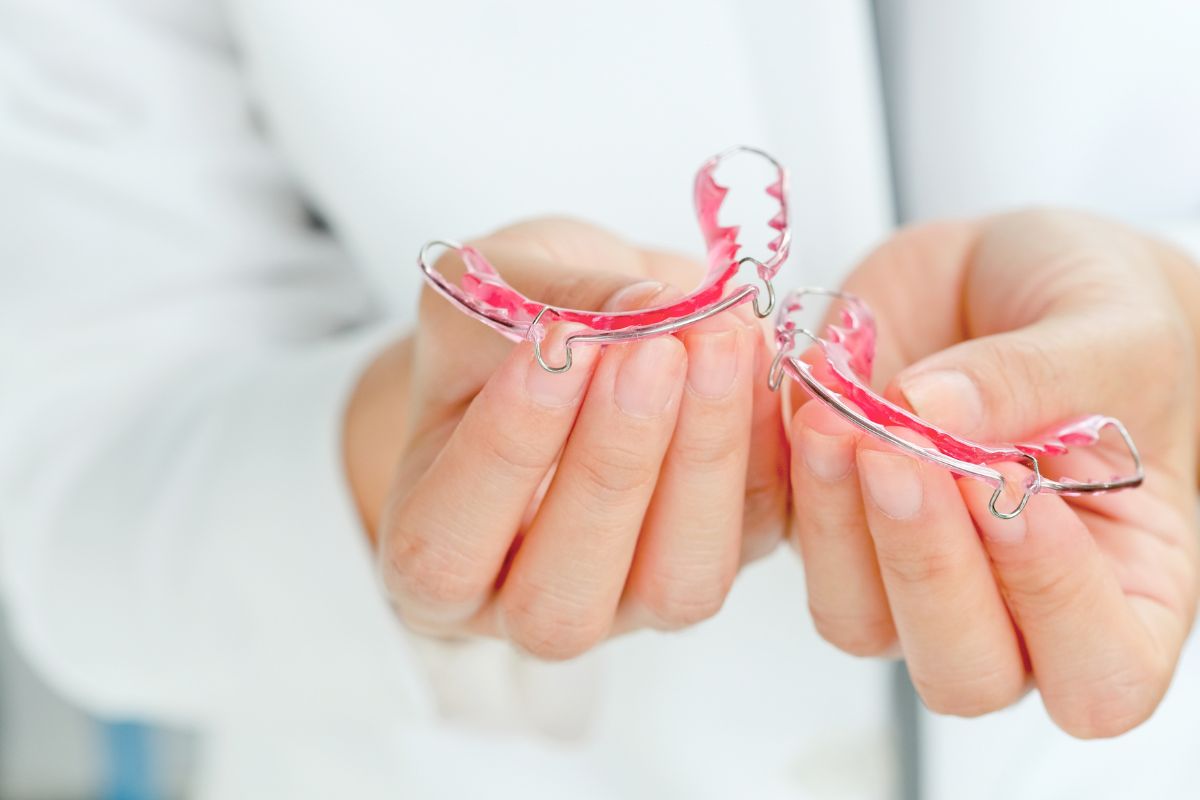
Your orthodontist may recommend a specific schedule for wearing a removable retainer in Broken Arrow, while some patients may also have a bonded retainer behind their teeth.
What Happens If You Lose Your Retainer?
Losing a retainer is surprisingly easy.
You may leave it at a restaurant, school, gym, hotel, or friend’s house. It can also accidentally get thrown away when wrapped in a napkin.
If you lose your retainer, contact your orthodontist promptly.
Your teeth can begin moving when the retainer is no longer holding them. The amount and speed of movement vary from person to person, so no number of days is reliably “safe” for everyone.
The AAO recommends contacting your orthodontist right away when a retainer is missing because delaying replacement can allow unwanted tooth movement.
What If Your Retainer Cracks?
Don’t ignore a cracked retainer.
A fracture can change the way the appliance fits against your teeth. Sharp edges may also irritate your tongue, cheeks, or gums.
The AAO advises patients with cracked or warped retainers to contact their orthodontist. A damaged retainer may no longer provide the intended retention, and continuing to wear a damaged appliance can potentially cause unwanted tooth movement or irritation.
Do not attempt to glue the retainer back together or reshape it with heat.
A homemade repair can alter the appliance and make it impossible to determine whether it is still functioning correctly.
Should You Keep Wearing A Cracked Retainer?
This depends on the type and extent of damage.
If the retainer is cracked, warped, has a sharp edge, or no longer fits correctly, contact your orthodontist before continuing to wear it. The AAO specifically recommends stopping use of a damaged retainer when cracks or loose wires compromise its fit or function.
If your orthodontist provided a backup retainer, ask whether you should use it while you arrange a replacement.
Do not force a retainer into place if it feels painful or does not seat properly.
The AAO advises patients not to force an ill-fitting or painful retainer and to contact their orthodontist for evaluation.
How Quickly Can Teeth Move Without A Retainer?
There is no universal timeline.
Some people may notice that their retainer feels tighter after missing only a short period of wear. Others may not notice a visible change right away.
The AAO explains that teeth can shift after orthodontic treatment and that the first several months after braces are removed can be a period when teeth are particularly susceptible to movement as surrounding tissues stabilize.
The longer a retainer is missing, the greater the opportunity for unwanted movement.
That is why replacing a lost or damaged retainer promptly is better than waiting until you notice your teeth have moved.
Can Teeth Move Back After Orthodontic Treatment?
Yes.
This movement is commonly called orthodontic relapse.
Relapse does not necessarily mean your orthodontic treatment failed. Teeth are living structures surrounded by bone and soft tissues, and their positions can change over time.
A long-term study involving more than 1,000 orthodontic cases found that about half of the total measured relapse occurred during the first two years after retention, although changes could continue longer.
Another study following patients for an average of 8.5 years found a mean post-treatment relapse of 14% according to the PAR index.
These studies demonstrate why retention remains important even after active orthodontic treatment is complete.
How Common Are Retainer Problems?
Retainers can fail for several reasons, including breakage, distortion, detachment, and loss.
One study involving 591 retainers from 309 patients examined retainer survival and failure. The researchers found that failure reasons varied by retainer type. For Hawley retainers, loss accounted for 52% of failures, while debonding accounted for 63.5% of failures among lingual fixed retainers. Fracture was the most common failure reason for vacuum-formed retainers, at 43.5%.
Another systematic review and meta-analysis evaluated 34 studies involving 3,484 participants. They found an overall failure rate of about 35% for bonded orthodontic retainers, although failure rates varied substantially according to follow-up duration and study characteristics.
These statistics do not mean that a particular patient’s retainer will fail. They show that retainer damage and failure are recognized issues in orthodontic care.
What If Your Retainer Still Fits After You Lose It For A While?
You may find your old retainer after several days and discover that it still fits.
That does not necessarily mean everything is fine.
If the appliance feels tighter than usual, that may indicate that your teeth have shifted slightly.
The AAO recommends contacting your orthodontist if a retainer becomes tight, difficult to insert, or no longer fits. Your orthodontist can determine whether continued use is appropriate or whether you need additional treatment.
Do not force a tight retainer into position.
Doing so may cause discomfort or place inappropriate pressure on your teeth.
What If Your Retainer No Longer Fits At All?
If your retainer will not fit, stop trying to force it.
A retainer that no longer fits may indicate tooth movement.
Depending on how much movement has taken place, your orthodontist may recommend:
- A new retainer
- A replacement of the damaged appliance
- A different type of retainer
- A short course of clear aligners
- Limited orthodontic treatment
- Other individualized treatment
The AAO notes that, in some cases, an orthodontist may recommend clear aligners to move teeth back into the appropriate position before providing a new retainer.
The earlier your orthodontist evaluates the problem, the more information they have when deciding how to proceed.
Can A Cracked Retainer Be Repaired?
Sometimes, but not every retainer can be repaired safely.
The answer depends on the material, location, and extent of the damage.
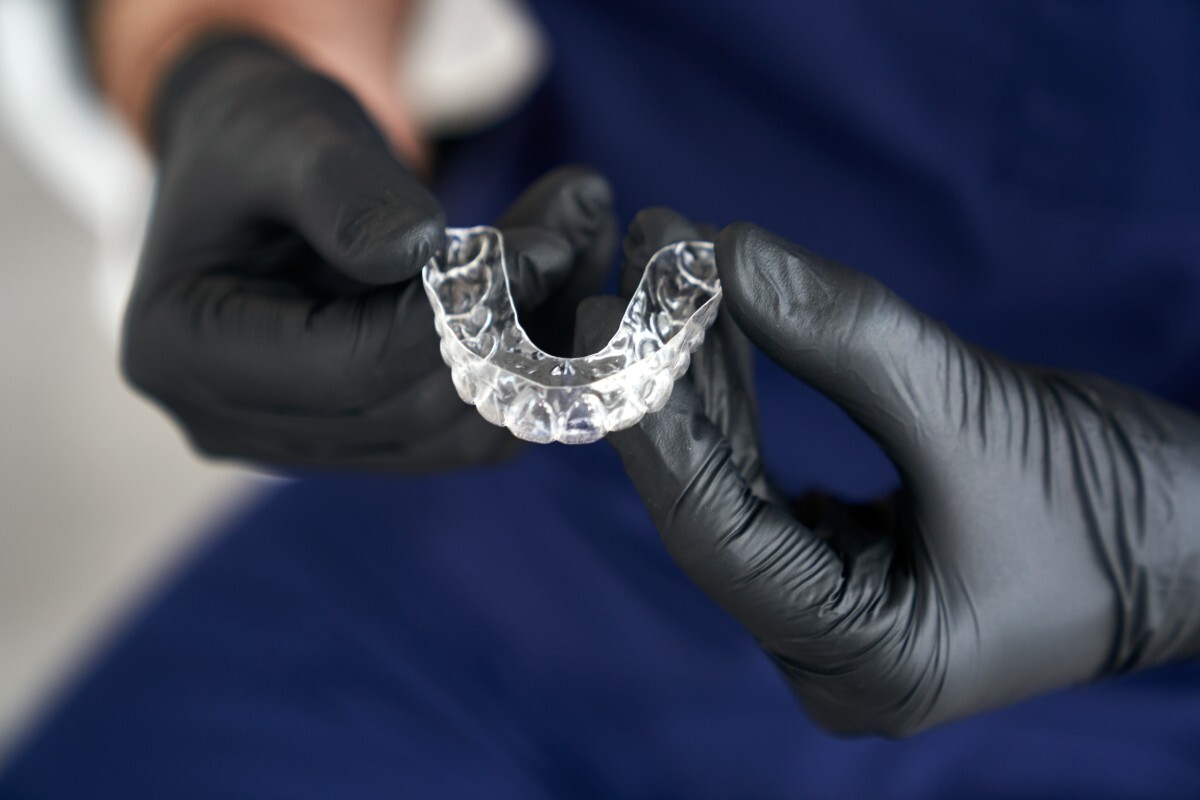
For example, a cracked clear plastic retainer may need replacement rather than repair. A bonded retainer that has detached from a tooth may require professional evaluation, rebonding, or replacement.
Your orthodontist can determine whether repair is appropriate.
Avoid using household adhesives or attempting to heat, bend, cut, or reshape the retainer yourself.
These modifications can alter the appliance’s fit.
How Much Does A Replacement Retainer Cost?
The cost varies by retainer type, orthodontic office, laboratory, and whether your treatment agreement or insurance covers the appliance.
Replacement retainers may involve a separate fee. The AAO notes that replacement retainer costs vary and that insurance coverage also differs by plan.
When you contact Emerson Orthodontics, ask about replacement costs and whether an appointment or new scan is needed.
How Long Do Retainers Last?
No single expiration date applies to every retainer.
Their useful lifespan depends on the material, design, wear schedule, oral habits, cleaning routine, and how you handle the appliance.
Research also shows substantial variation among retainer types.
In one survival-analysis study, the median survival time was approximately 1,604 days for lingual fixed retainers and 1,529 days for Hawley retainers, while vacuum-formed retainers had a median survival time of 105 days in that particular patient sample.
These results should not be interpreted as a guaranteed lifespan. A retainer may last longer or fail sooner depending on individual circumstances.
If yours becomes loose, cracked, warped, or uncomfortable, have it evaluated regardless of its age.
How Should You Protect Your Retainer?
A few simple habits can reduce the chance of losing or damaging your appliance.
Use The Case
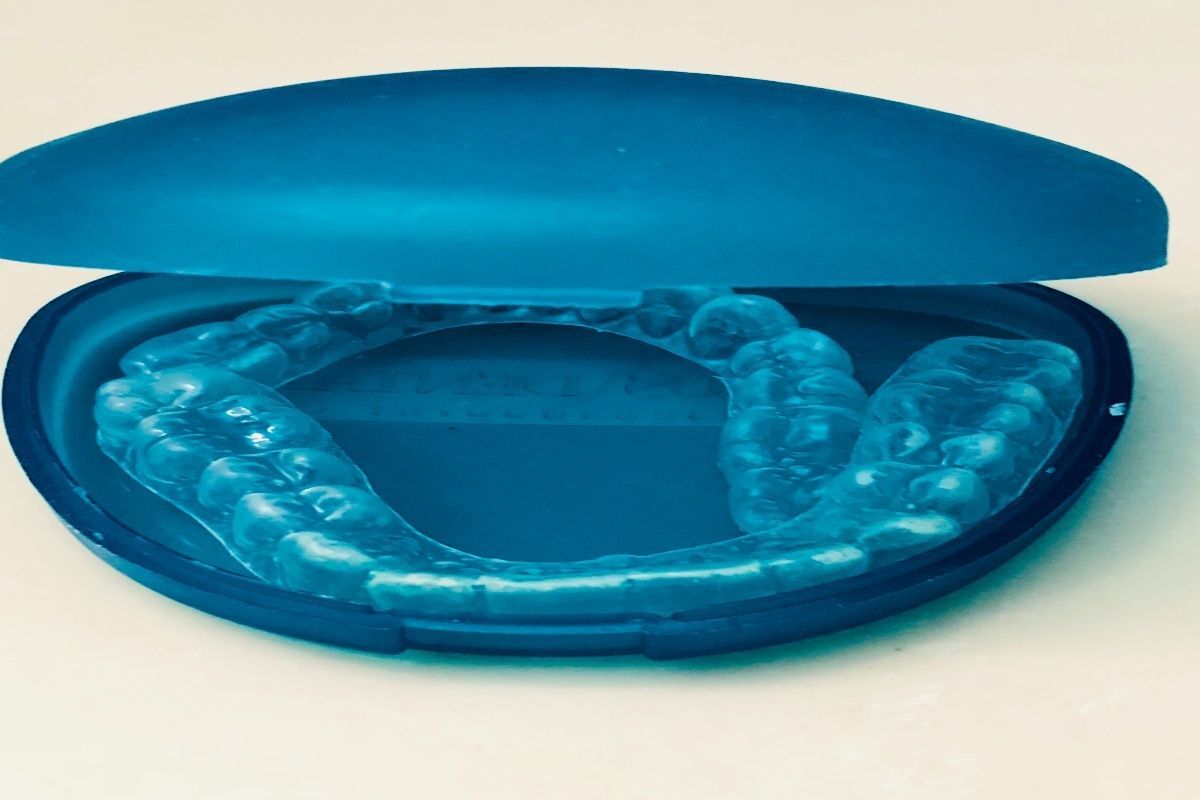
When your removable retainer is not in your mouth, keep it in its designated case.
The AAO specifically recommends using a retainer case and keeping the appliance away from pets, which can be attracted to the smell or texture of retainers.
Never Wrap It In A Napkin
Wrapping a retainer in a napkin at a restaurant or school can make it easy to throw away by accident.
Put it directly into its case instead.
Keep It Away From Heat
Clear plastic retainers can warp when exposed to excessive heat.
Do not leave your retainer in a hot car or clean it with hot water unless your orthodontist specifically instructs you to.
Handle It Carefully
Use both hands when inserting or removing a removable retainer rather than twisting or bending it unnecessarily. The AAO recommends gentle handling to reduce stress on the appliance.
How Should You Clean Your Retainer?
Retainers can collect plaque and bacteria.
The AAO recommends gently brushing removable retainers with a soft-bristled toothbrush and water and using a retainer-cleaning solution when appropriate.
Avoid harsh cleaning methods unless your orthodontist specifically recommends them.
The right cleaning method depends on the retainer’s material and type.
What About A Permanent Retainer?
A permanent, or bonded, retainer is attached to the back of your teeth.
Because it stays in your mouth, you don’t have to remember to insert it each night. However, it still requires care and professional monitoring.
A bonded retainer can become detached from a tooth or develop a broken wire.
If you feel a wire moving, notice that it has separated from a tooth, or suddenly feel a sharp area behind your teeth, contact your orthodontist.
A systematic review of bonded retainers found that failure is a recognized issue, with the pooled failure rate varying substantially across different follow-up periods.
What Should You Do If Your Retainer Is Lost Or Cracked?
If you lose or damage your retainer, follow these steps:
1. Contact your orthodontist.
Do not wait until your next routine appointment.
2. Do not force a damaged appliance.
A cracked or distorted retainer may not fit correctly.
3. Find your backup retainer if you have one.
Ask your orthodontist whether you should use it.
4. Keep your old appliance.
Even if damaged, bring it to your appointment when possible.
5. Watch for tooth movement.
Report any changes in alignment or bite.
6. Follow your orthodontist’s replacement instructions.
A new retainer may be enough, but some patients may require additional treatment.
Why Acting Quickly Matters
A lost retainer may seem like a minor inconvenience, particularly if your teeth still look straight.
But orthodontic movement can occur before a visible change becomes obvious.
The AAO recommends contacting your orthodontist when a retainer is lost, broken, uncomfortable, or no longer fits.
Addressing the problem early may allow your orthodontist to manage a small change before more extensive correction becomes necessary.
Retainer Replacement In Broken Arrow
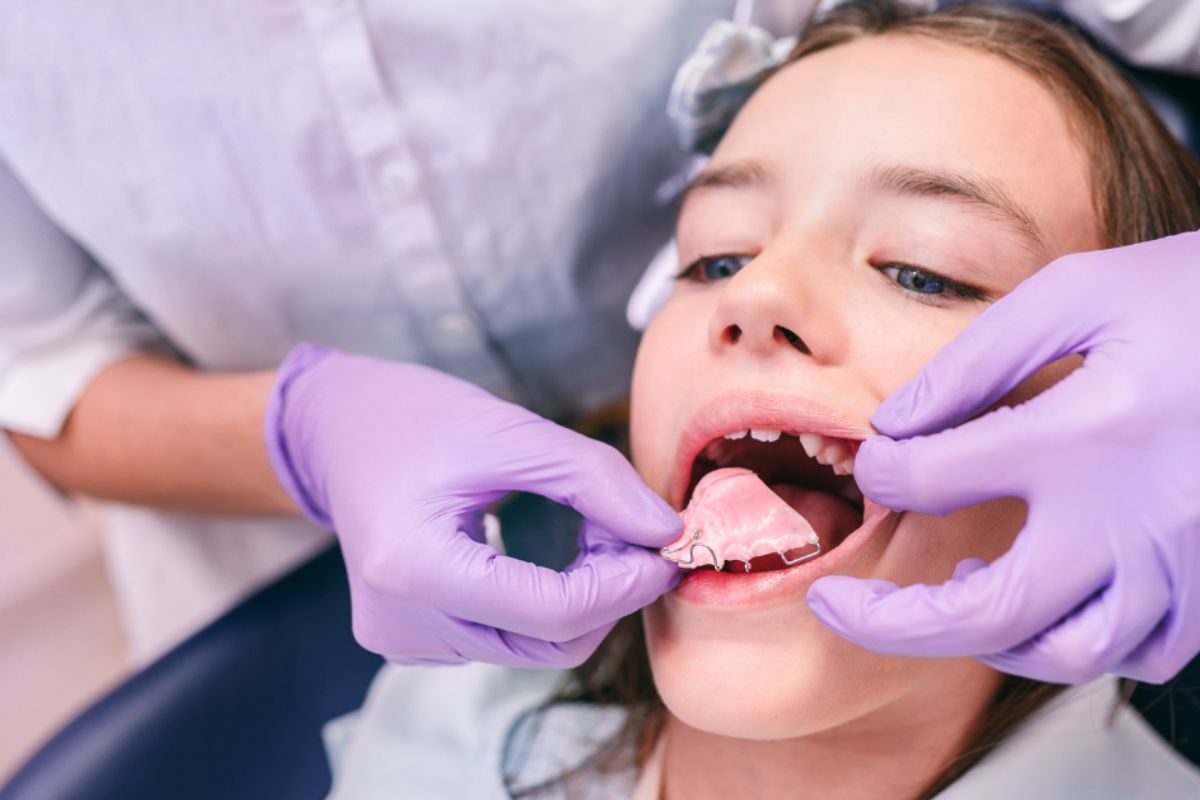
If your retainer is missing, cracked, warped, or no longer fits properly, Emerson Orthodontics can evaluate the situation and determine the appropriate next step.
Dr. Clinton Emerson can examine your teeth, assess your current alignment, evaluate your retainer (if available), and discuss whether you need a replacement or additional orthodontic treatment.
Whether you recently completed braces or have been wearing your retainer for years, maintaining your orthodontic results requires ongoing retention care.
Conclusion
Address a lost or cracked retainer instead of ignoring it. Retainers help maintain the tooth positions achieved through orthodontic treatment, and teeth can continue to shift after braces or aligners are completed.
Research demonstrates that orthodontic relapse can occur over time. One long-term study found that about half of measured relapse occurred during the first two years after retention, while other research has documented continued changes years after active treatment.
If you lose your retainer, contact your orthodontist promptly. If it cracks, warps, becomes uncomfortable, or no longer fits correctly, do not force it into place or attempt a household repair. The AAO recommends a professional evaluation so your orthodontist can determine whether the appliance should be replaced or repaired, or whether additional orthodontic treatment is needed.
At Emerson Orthodontics, Dr. Clinton Emerson can help you protect your orthodontic results and determine the appropriate next step after a lost or damaged retainer.
Visit our dental practice in Broken Arrow. Book now to schedule your appointment with our team.
Frequently Asked Questions
1. What orthodontic services are available at Emerson Orthodontics?
Emerson Orthodontics provides orthodontic care tailored to individual patients. Dr. Clinton Emerson can discuss appropriate treatment and retention options based on your orthodontic needs.
2. Can Dr. Clinton Emerson replace my lost retainer?
Yes, we can evaluate a lost retainer for replacement. The appropriate retainer depends on your orthodontic history, current tooth position, and the type of appliance previously used.
3. What should I do if my retainer cracks?
Contact Emerson Orthodontics instead of trying to repair the retainer yourself. A cracked or warped retainer may not fit correctly and may need professional evaluation or replacement.
4. Can my teeth shift if I stop wearing my retainer?
Yes. Teeth can move after orthodontic treatment, which is why retainers are an important part of maintaining treatment results. The amount of movement varies between patients.
5. How can I schedule an appointment with Emerson Orthodontics?
Contact Emerson Orthodontics in Broken Arrow to schedule an appointment with Dr. Clinton Emerson for retainer replacement, an evaluation, or other orthodontic concerns.