Clear retainers are a game-changer for keeping your smile straight after braces. They slip on easily and blend right in, but without proper care, they can turn cloudy, smelly, or even harbor bacteria that affect your oral health. Let’s dive into simple, effective ways to keep yours sparkling clean and safe to wear every day.
Understanding Clear Retainers and Why Cleaning Matters
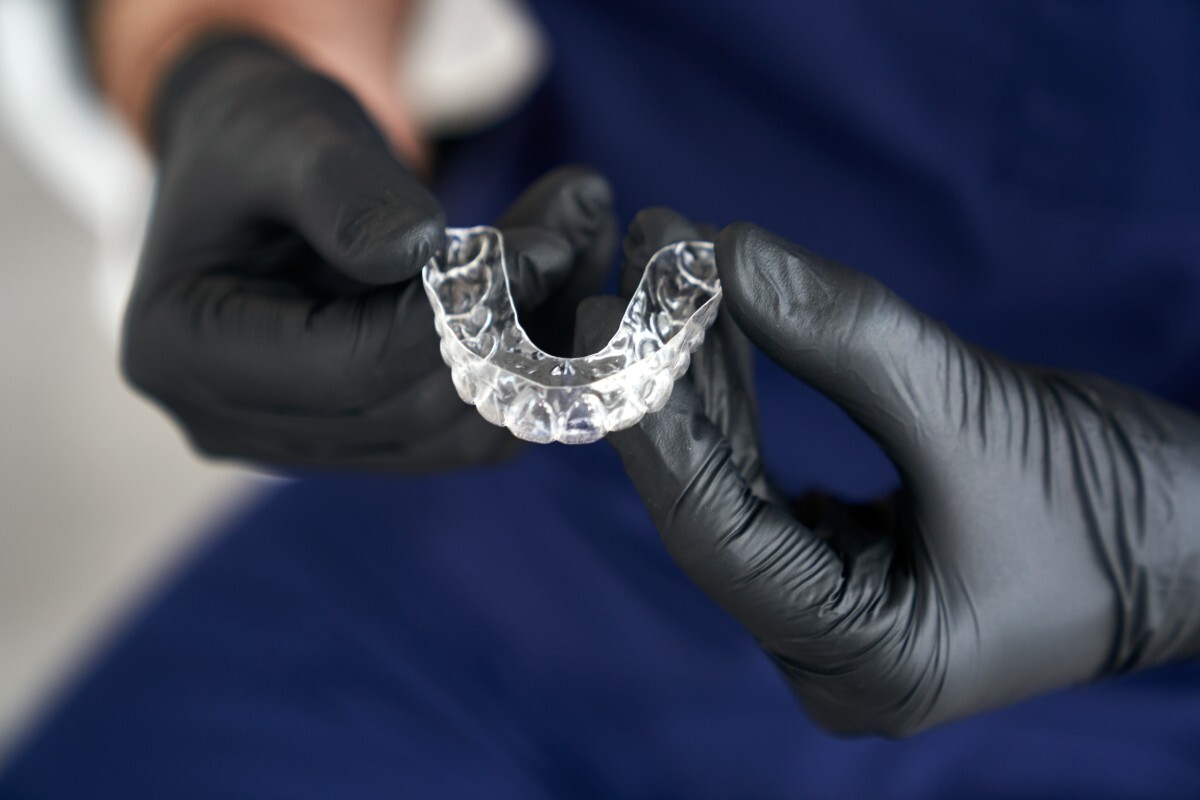
Clear retainers, often made from durable plastic, hold your teeth in place post-orthodontic treatment. They’re custom-fitted, invisible, and comfortable, but they trap food particles, plaque, and bacteria just like your teeth do. Regular cleaning prevents buildup that could lead to bad breath, discoloration, or even gum issues.
Think of your retainer as an extension of your mouth. Skipping cleaning is like forgetting to brush your teeth—it invites problems. Studies show that unclean retainers can host more bacteria than a toilet handle, so staying on top of maintenance keeps your smile healthy and confident.
Daily Cleaning Routine for Your Retainer
Start with the basics to make cleaning a habit. Remove your retainer before eating or drinking anything besides water. This stops stains and debris from settling in.
Gentle Brushing Technique
Use a soft-bristled toothbrush dedicated just for your retainer. Add a drop of mild, unscented dish soap. Scrub lightly in circular motions, covering all surfaces. Rinse under lukewarm water. Do this at least twice a day, morning and night.
Avoid abrasive toothpaste—it scratches the plastic, making it cloudy over time. A quick brush takes under a minute but keeps things fresh.
Rinsing After Every Use
Every time you take out your retainer, rinse it with cool water. This flushes away saliva and loose particles. Never use hot water; it warps the shape, ruining the fit.
For on-the-go, carry a small case. A simple rinse prevents drying out and cracking.
Deep Cleaning Methods to Try Weekly
For a thorough clean, soak your retainer once or twice a week. This tackles stubborn buildup without harsh chemicals.
Natural Soaking Solutions
Mix equal parts white vinegar and warm water. Soak for 15-20 minutes, then brush and rinse. Vinegar kills bacteria and removes mineral deposits naturally.
Baking soda works too. Dissolve a teaspoon in a cup of water, soak for 30 minutes. It’s gentle, odor-fighting, and eco-friendly.
Hydrogen peroxide at 3% diluted with water is another option. Soak for 10 minutes to brighten and disinfect. Always rinse well afterward.
Using Commercial Cleaners
Retainer cleaning tablets, like those fizzing ones, are convenient. Drop one in warm water, soak for the recommended time, usually 5-15 minutes. They bubble away grime effectively.
Choose alcohol-free formulas to avoid drying out the plastic. Follow package directions for best results.
Common Mistakes to Avoid When Cleaning
Don’t boil your retainer or put it in the dishwasher—heat distorts it permanently. Skip mouthwash soaks with alcohol; they crack the material.
Never use bleach or harsh cleaners; they’re too aggressive and unsafe for oral use. Avoid wrapping in tissues—it’s easy to throw away by accident.
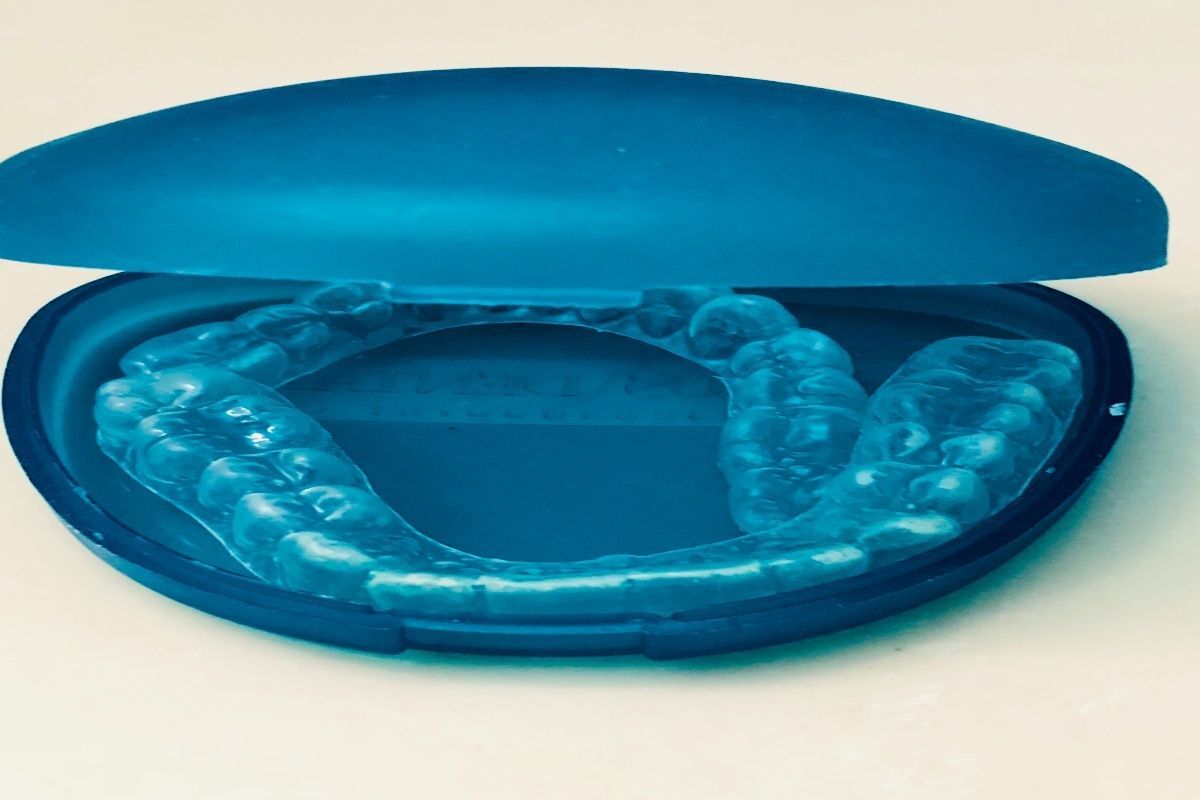
Store in a ventilated case when not wearing. This prevents moisture buildup and mold.
Trending FAQs on Cleaning Clear Retainers
People often have questions about retainer care. Here are some frequently asked ones, based on what folks search for online, with straightforward answers:
- What is the best thing to clean clear retainers with? Mild dish soap for daily brushing and vinegar or baking soda soaks for deeper cleans work best. They’re safe, effective, and inexpensive.
- Can I use toothpaste to clean my clear retainer? No, toothpaste is abrasive and can scratch the surface, leading to cloudiness. Stick to soap or specialized cleaners.
- How do you clean a clear retainer that smells? Soak in a baking soda solution or hydrogen peroxide mix. Brush daily to prevent odors from bacteria buildup.
- Is it safe to soak my retainer in mouthwash overnight? Avoid it if the mouthwash has alcohol, as it can damage the plastic. Use water-based options sparingly.
- How do you clean a cloudy clear retainer? Vinegar soaks remove mineral deposits causing cloudiness. Regular brushing prevents it from happening.
- Is hydrogen peroxide safe for retainers? Yes, diluted 3% peroxide is safe for short soaks. It disinfects without harming the material.
These cover the top concerns and help you troubleshoot quickly.
Stats on Retainer Maintenance
Here’s a quick table highlighting key stats on retainer care, drawn from dental health surveys. It shows why proper cleaning pays off.
| Aspect | Statistic | Source Insight |
|---|---|---|
| Bacteria Growth | 80% of unclean retainers harbor harmful bacteria | American Dental Association surveys |
| Discoloration Rate | 60% of users see yellowing without weekly soaks | Orthodontic patient studies |
| Lifespan Extension | Regular cleaning doubles retainer life to 2-3 years | Clinical orthodontic reports |
| Oral Health Impact | 70% reduction in gum issues with daily routines | Journal of Orthodontics data |
These numbers underscore the importance of consistent care for long-term benefits.
Maintaining your retainer isn’t just about looks—it’s about health. Local experts, like a reliable retainers provider in Broken Arrow, OK, emphasize these steps to ensure your investment lasts.
Signs of wear? If it feels loose or cracked, get it checked. Early fixes prevent bigger problems.
If you are searching for an orthodontist near you, they can offer personalized tips tailored to your needs.
Keep up the routine, and your retainer will serve you well.
Your clear retainer deserves attention to keep shining. With these tips, you’ll enjoy a fresh, comfortable fit every time. Stay consistent, and your smile will thank you.