Regarding orthodontic treatment, many patients wonder whether clear aligners like Invisalign can correct severe overbites or underbites. Traditional braces have been the standard for decades, but with advancements in dental technology, Invisalign has become a popular alternative. If you’re searching for solutions to your bite alignment issues in Broken Arrow, you might consider Invisalign. But is it the right choice for severe cases? Let’s explore how clear aligners work and whether they can correct significant bite issues effectively.
Understanding Overbites and Underbites
Before diving into treatment options, it’s essential to understand what overbites and underbites are and how they can impact oral health.
- Overbite occurs when the upper front teeth overlap excessively over the lower front teeth. While some degree of overbite is standard, a severe overbite can lead to jaw pain, difficulty chewing, speech problems, and even increased wear on teeth.
- Underbite happens when the lower front teeth protrude beyond the upper front teeth. Severe underbites can cause jaw misalignment, difficulty biting and chewing, speech issues, and an imbalanced facial appearance.
If left untreated, both conditions can contribute to temporomandibular joint (TMJ) disorders, tooth damage, and overall oral health complications.
How Invisalign Works?
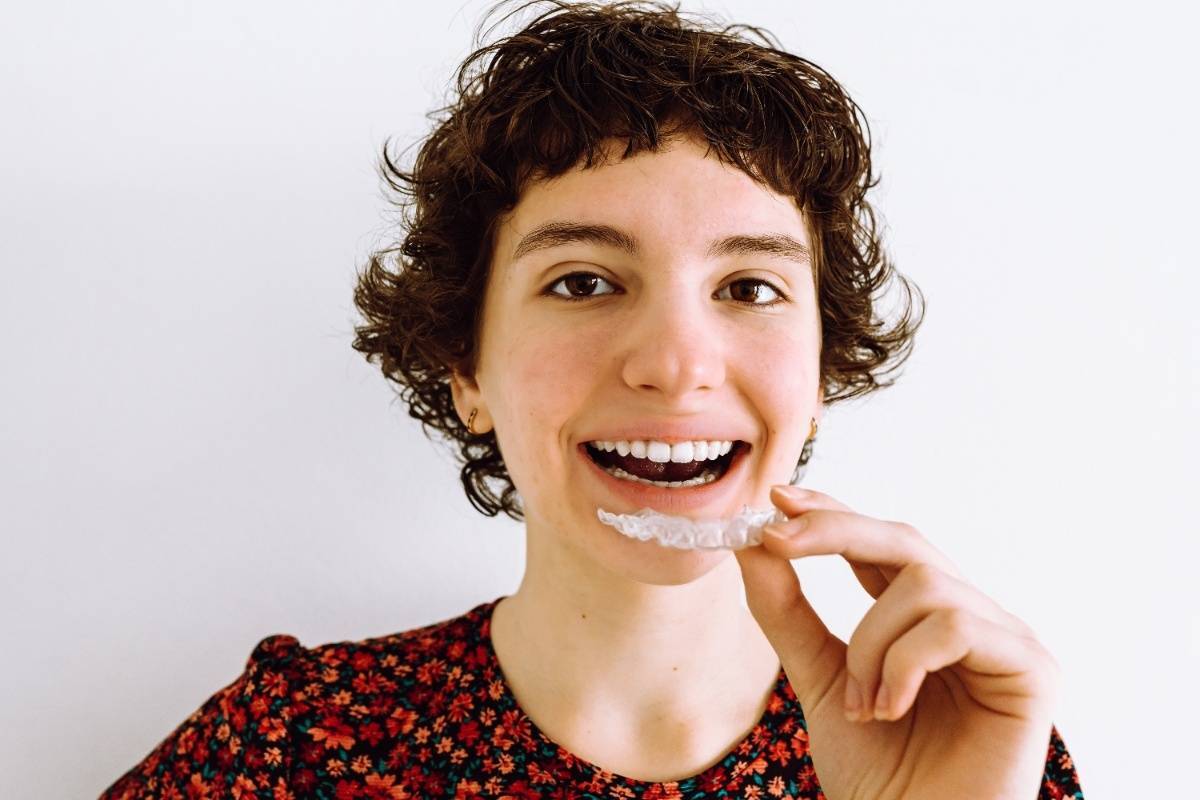
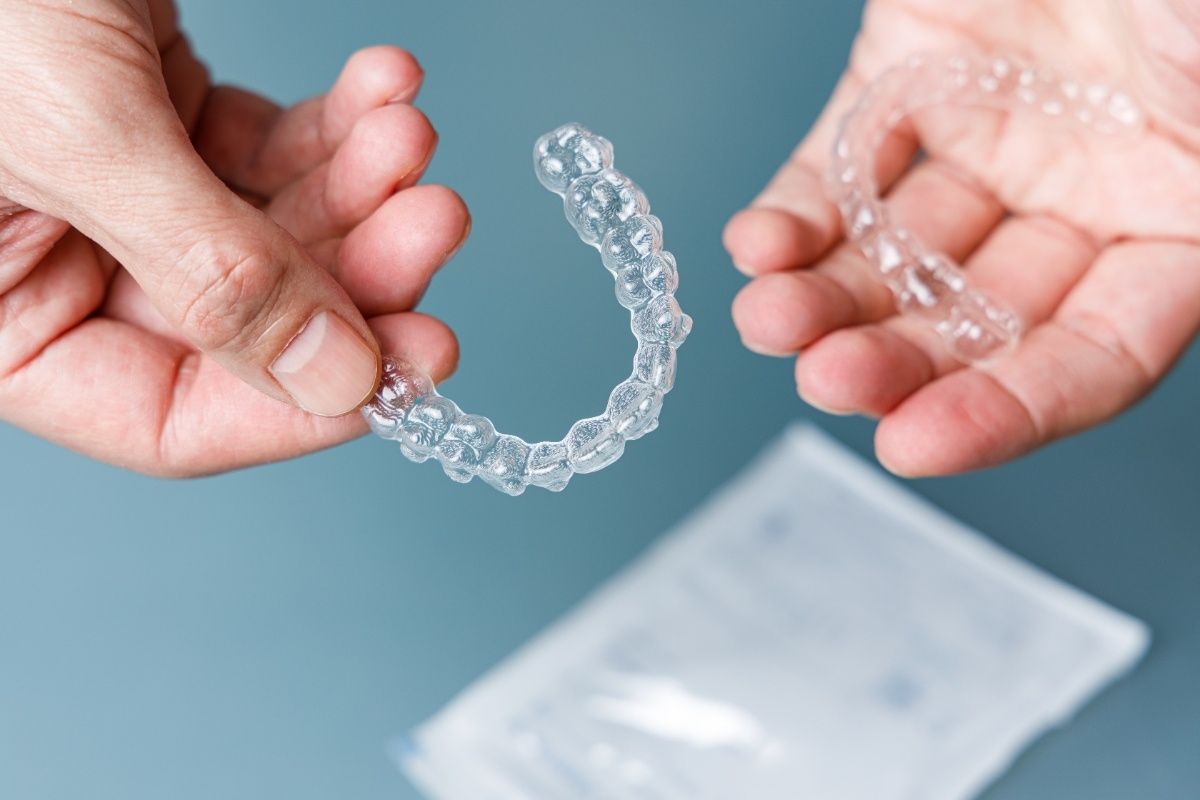
Invisalign uses a series of custom-made, clear plastic aligners to shift teeth into their ideal position gradually. These aligners are removable, making them a convenient alternative to traditional braces. Treatment typically involves switching to a new set of aligners every one to two weeks, with periodic checkups to monitor progress.
Invisalign is highly effective for mild to moderate misalignment issues, but what about severe overbites or underbites?
Can Invisalign Correct Severe Overbites and Underbites?
Invisalign has significantly improved in treating more complex cases, including severe overbites and underbites. However, the effectiveness of Invisalign for such cases depends on several factors:
-
Severity of the Bite Issue
- Mild to moderate cases can often be successfully treated with Invisalign alone.
- Severe overbites or underbites may require additional orthodontic interventions, such as elastics or attachments, to enhance the jaw and teeth’ movement.
-
Patient Compliance
- Invisalign treatment requires wearing the aligners for at least 20-22 hours daily.
- Patients who consistently follow their treatment plan have a higher likelihood of success.
-
Use of Additional Orthodontic Tools
- Attachments (small tooth-colored shapes bonded to the teeth) help Invisalign apply the necessary force for complex movements.
- Rubber bands or precision wings (available with certain Invisalign treatments) help correct overbites and underbites by encouraging proper jaw alignment.
-
Age and Jaw Development
- Teens and younger patients may experience better results because their jaws are still developing.
- In extreme cases, adults with severe bite issues may require a combination of Invisalign and other orthodontic treatments or even jaw surgery.
Advantages of Invisalign for Bite Correction
For those considering Invisalign in Broken Arrow, here are some key benefits of using clear aligners for overbites or underbites:
- Aesthetic Appeal: Invisalign aligners are nearly invisible, making them a discreet option compared to traditional metal braces.
- Comfortable Fit: Made from smooth plastic, Invisalign aligners minimize irritation to the gums and cheeks.
- Removable Convenience: Patients can take out aligners to eat, brush, and floss without restrictions.
- Customized Treatment: Each aligner set is tailored to fit your bite needs, ensuring a precise and gradual correction process.
When to Consider Alternative Treatments?
While Invisalign can work for many cases, some patients with severe overbites or underbites may require alternative solutions such as:
- Traditional Braces: These provide greater control over complex tooth movements.
- Orthodontic Appliances: Devices like palatal expanders or Herbst appliances may be necessary for jaw adjustments.
- Surgical Intervention: In extreme cases, orthognathic (jaw) surgery may be required to fully correct the bite.
Conclusion
Invisalign has revolutionized orthodontic treatment, offering a convenient and aesthetically pleasing way to correct bite issues. While it can treat mild to moderate overbites and underbites effectively, severe cases may require additional interventions. If you’re unsure whether Invisalign is right for you, consulting an experienced orthodontist in Broken Arrow can help determine the best course of action.
If you’re looking for expert advice on Invisalign in Broken Arrow, we’re here to help! Contact us today to schedule a consultation and find out how we can improve your smile and overall dental health.