Have you been thinking about straightening your teeth with Invisalign clear aligners but wondering whether you’ll have to give up your favorite foods and drinks? You’re not alone.
One of the most common questions orthodontic patients ask is, “What can I eat and drink with Invisalign?“ After all, food plays a major role in daily life, family gatherings, social events, and special occasions. The good news is that Invisalign offers significantly more flexibility than traditional braces when it comes to eating.
Unlike metal braces, Invisalign aligners are removable. That means patients can continue to enjoy many of the foods they love without worrying about damaging their brackets or wires. However, there are still important guidelines to follow to protect your aligners, maintain good oral health, and keep your treatment on schedule.
According to the manufacturer, more than 18 million people worldwide have been treated with Invisalign, making it one of the most popular orthodontic systems available today. Its convenience, comfort, and dietary flexibility are among the primary reasons patients choose clear aligners over traditional braces.
In this guide, we’ll explain exactly what you can eat and drink with Invisalign, which beverages require extra caution, and how to maintain healthy habits throughout your orthodontic journey.
How Invisalign Works
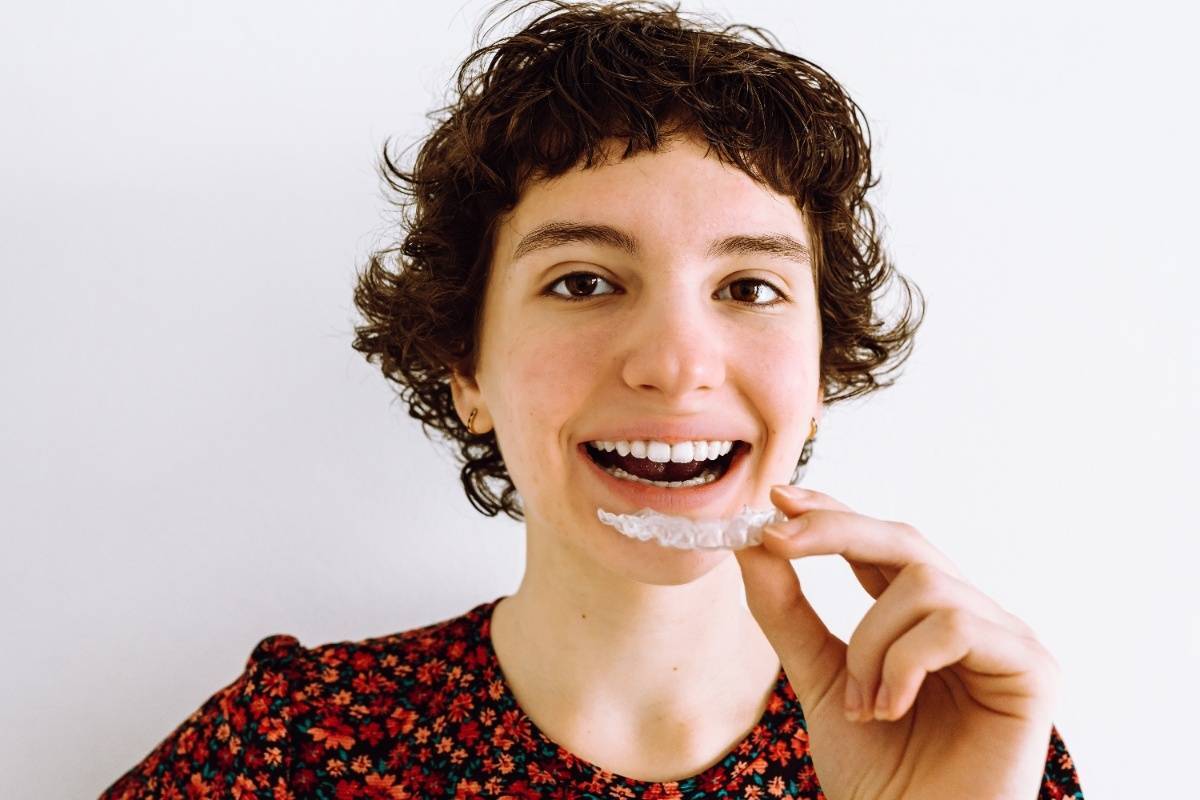
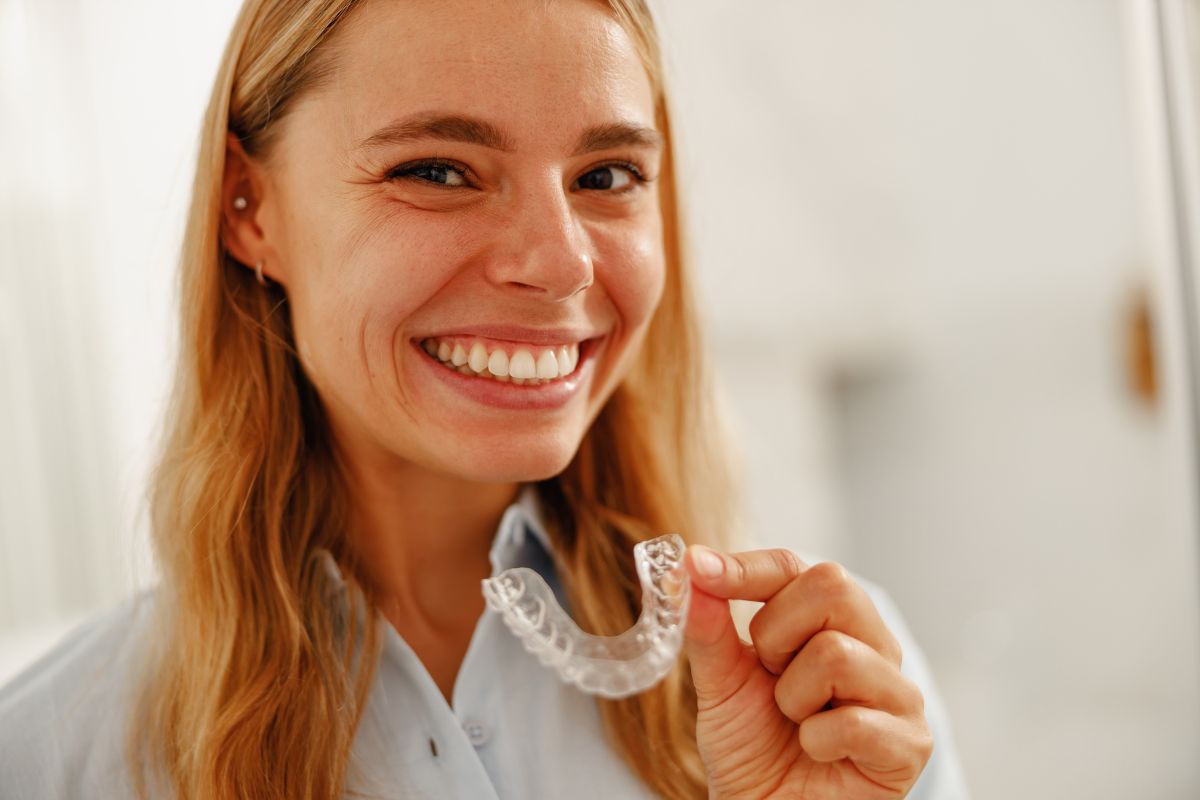
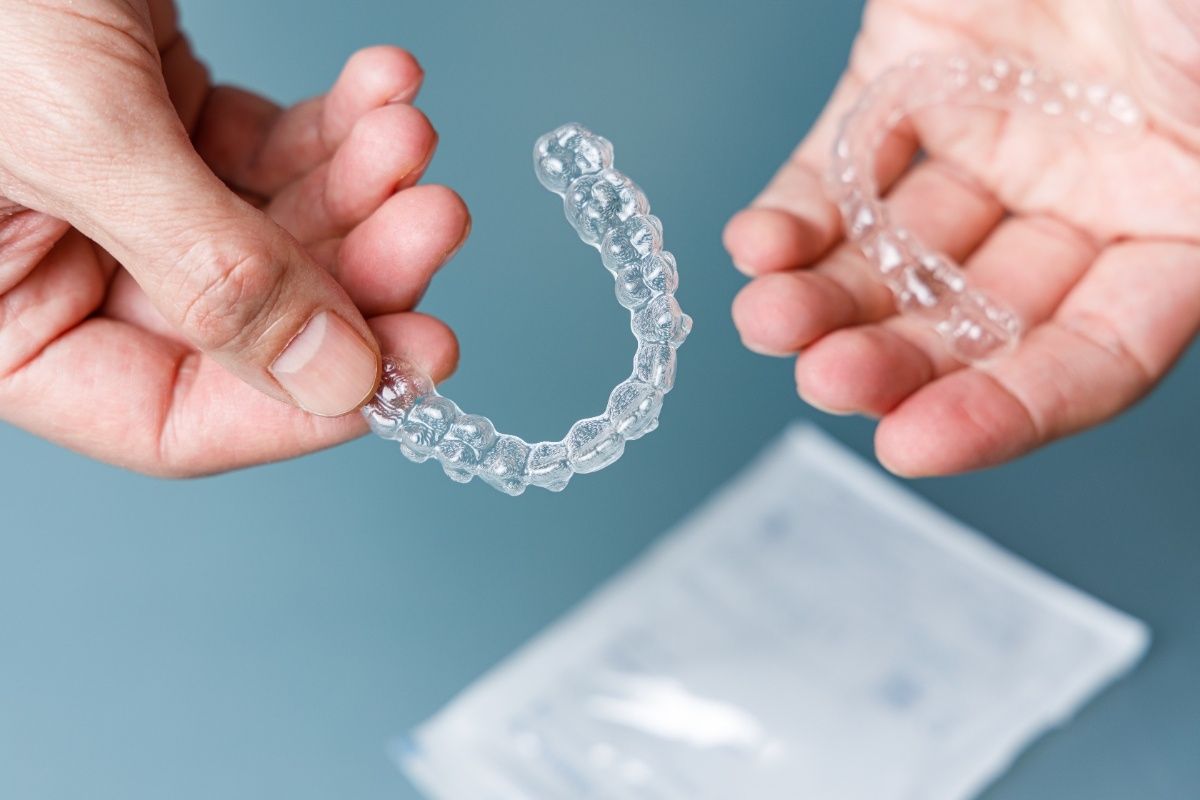
Invisalign uses a series of custom-made clear aligners that gradually move teeth into their ideal positions.
Each aligner is designed to apply controlled pressure to specific teeth. To achieve optimal results, most orthodontists recommend wearing aligners for:
20 to 22 Hours Per Day
This leaves approximately:
- 2 to 4 hours daily
- For meals
- Snacks
- Brushing
- Flossing
Because aligners are removable, patients enjoy greater freedom compared to traditional braces.
However, knowing when to remove them—and what can safely be consumed while wearing them—is essential for successful treatment.
Can You Eat While Wearing Invisalign?
Invisalign aligners should be removed before eating any food.
Eating while wearing aligners can lead to:
- Cracks
- Warping
- Scratches
- Staining
- Poor fit
The aligners are made from durable medical-grade plastic, but they are not designed to withstand chewing forces.
Even soft foods can place unnecessary stress on the aligners.
For this reason, orthodontists recommend removing Invisalign before every meal and snack.
The Biggest Advantage of Invisalign: No Food Restrictions
One of the most appealing aspects of Invisalign treatment is that there are very few dietary restrictions.
Traditional braces often require avoiding:
- Popcorn
- Hard candies
- Caramel
- Sticky gum
- Nuts
- Crunchy chips
These foods can damage brackets and wires.
Because Invisalign aligners are removed before eating, patients can continue to enjoy many foods that wearers of traditional braces typically avoid.
Foods You Can Enjoy with Invisalign
Once aligners are removed, you can generally eat whatever you like unless otherwise directed by your dentist or orthodontist.
Popular foods include:
Fresh Fruits
Examples:
- Apples
- Strawberries
- Blueberries
- Grapes
- Watermelon
- Oranges
Fruits provide vitamins, antioxidants, and fiber that support overall health.
According to the CDC, increased fruit consumption is associated with better overall nutrition and wellness.
Vegetables
Healthy choices include:
- Carrots
- Cucumbers
- Broccoli
- Bell peppers
- Spinach
- Celery
These foods contribute essential nutrients while promoting healthy gums.
Lean Proteins
Examples:
- Chicken
- Turkey
- Fish
- Eggs
- Tofu
- Lean beef
Protein supports tissue repair and overall oral health.
Dairy Products
Good options include:
- Yogurt
- Cheese
- Milk
- Cottage cheese
The American Dental Association (ADA) notes that dairy products provide calcium and phosphorus, which help support strong teeth.
Whole Grains
Healthy choices include:
- Brown rice
- Oatmeal
- Whole-grain bread
- Quinoa
- Whole-wheat pasta
These foods offer sustained energy throughout the day.
Nuts and Seeds
Unlike braces patients, Invisalign users can enjoy:
- Almonds
- Cashews
- Walnuts
- Pistachios
- Pumpkin seeds
Simply remove aligners before eating.
What Should You Drink While Wearing Invisalign?
When it comes to beverages, the rules are slightly different.
- Water Is the Best Choice: Plain water is the only beverage generally considered safe to consume while wearing Invisalign.
Benefits include:
- No staining
- No sugar exposure
- No damage to aligners
- Improved hydration
Drinking water throughout the day also helps wash away bacteria and food particles.
Why Most Drinks Require Aligner Removal
Many beverages contain ingredients that can harm your aligners or teeth.
Potential concerns include:
- Staining: Dark-colored beverages can discolor aligners.
- Sugar Exposure: Sugary drinks increase cavity risk.
- Acid Erosion: Acidic beverages may weaken enamel.
- Heat Damage: Hot drinks can warp aligners.
For these reasons, orthodontists generally recommend removing aligners before consuming anything other than water.
Drinks That Can Stain Invisalign
Several popular beverages may cause discoloration.
Examples include:
- Coffee: Coffee is one of the most common causes of aligner staining.
According to the National Coffee Association, approximately 67% of American adults drink coffee daily.
If consumed with aligners in place, coffee may:
- Stain trays
- Trap sugar against teeth
- Increase plaque accumulation
Tea: Both black tea and green tea can stain aligners over time.
Dark teas are particularly problematic.
- Red Wine: Red wine contains pigments known to cause staining.
It can discolor aligners and teeth alike.
Dark-Colored Soft Drinks
Examples:
- Cola
- Root beer
- Energy drinks
These beverages combine staining pigments with sugar and acidity.
Sugary Drinks and Invisalign
Sugary beverages present another concern.
Examples include:
- Soda
- Sweet tea
- Sports drinks
- Energy drinks
- Fruit punch
- Sweetened coffee beverages
According to the CDC, frequent consumption of sugar-sweetened beverages is associated with increased rates of tooth decay.
When aligners remain in place, sugar becomes trapped against tooth surfaces, creating an ideal environment for bacteria.
This increases the risk of:
- Cavities
- Plaque buildup
- Gum inflammation
Acidic Drinks and Tooth Enamel
Acidic beverages can weaken enamel over time.
Examples include:
- Soda
- Lemonade
- Orange juice
- Sports drinks
- Energy drinks
The ADA warns that repeated acid exposure contributes to enamel erosion.
If you consume acidic beverages:
- Remove aligners.
- Drink the beverage.
- Rinse with water.
- Wait approximately 30 minutes before brushing if the drink was highly acidic.
This helps protect enamel from abrasion.
Can You Drink Alcohol with Invisalign?
Alcoholic beverages should generally be consumed after removing aligners.
Potential concerns include:
- Staining
- Sugar exposure
- Acidity
- Dehydration
Examples include:
- Beer
- Wine
- Cocktails
- Hard seltzers
After drinking, rinse your mouth thoroughly before reinserting aligners.
Best Foods During the First Few Days of Invisalign
Many patients experience mild pressure or tenderness when starting treatment or switching to a new aligner.
During these periods, softer foods may feel more comfortable.
Examples include:
Soft Proteins
- Scrambled eggs
- Fish
- Ground turkey
Soft Fruits
- Bananas
- Peaches
- Applesauce
Comfort Foods
- Soup
- Mashed potatoes
- Oatmeal
- Yogurt
Most patients adapt within a few days.
The Importance of Brushing Before Reinserting Aligners
Food particles left on teeth become trapped under aligners.
This may increase:
- Plaque buildup
- Bad breath
- Tooth decay risk
- Gum inflammation
The ADA recommends brushing twice daily and flossing once daily, but Invisalign patients benefit from brushing after meals whenever possible.
Good oral hygiene helps maintain both treatment progress and oral health.
Healthy Snacking Tips During Invisalign Treatment
Because aligners must be removed for snacks, many patients become more mindful about their eating habits.
Helpful strategies include:
- Plan Meals: Reducing unnecessary snacking helps maximize aligner wear time.
Choose Nutrient-Dense Foods
Healthy options include:
- Cheese
- Nuts
- Vegetables
- Greek yogurt
Carry Oral Hygiene Supplies
Keep:
- Travel toothbrush
- Toothpaste
- Floss
Available when away from home.
Common Mistakes to Avoid
Eating with Aligners In
This can damage trays and disrupt treatment.
Drinking Coffee While Wearing Aligners
Coffee stains aligners and may increase the risk of cavities.
- Forgetting to Reinsert Aligners: Consistent wear is essential for tooth movement.
- Skipping Brushing: Poor hygiene increases plaque accumulation.
- Using Hot Water: Hot liquids can warp aligners and affect their fit.
How Diet Can Support Invisalign Success
A balanced diet contributes to healthy teeth and gums throughout orthodontic treatment.
Focus on:
- Calcium-rich foods
- Vitamin D
- Lean proteins
- Fruits and vegetables
- Whole grains
Healthy nutrition supports tissue health and promotes a positive orthodontic experience.
Conclusion
One of Invisalign’s greatest advantages is the freedom it offers in food choices. Because aligners are removable, patients can enjoy many of the foods that traditional braces wearers often avoid. Fresh fruits, vegetables, proteins, dairy products, nuts, and whole grains can all remain part of a healthy diet throughout treatment.
When it comes to beverages, water is the safest option while wearing aligners. Most other drinks—including coffee, tea, soda, sports drinks, and alcohol—should be consumed only after removing the trays to prevent staining, warping, and an increased risk of cavities.
By following your orthodontist’s recommendations, maintaining good oral hygiene, and wearing aligners for the recommended 20 to 22 hours per day, you can enjoy your favorite foods while staying on track toward a healthier, straighter smile.
Frequently Asked Questions
1. Can I eat with Invisalign aligners in?
No. Invisalign aligners should always be removed before eating to prevent damage, staining, and poor fit.
2. Can I drink coffee while wearing Invisalign?
No. Coffee can stain aligners and may trap sugar and acids against your teeth.
3. What drinks are safe with Invisalign?
Plain water is generally the only beverage recommended while wearing aligners.
4. Can I chew gum with Invisalign?
No. Gum can stick to aligners and damage them. Remove aligners before chewing gum.
5. How long should I wear Invisalign each day?
Most orthodontists recommend wearing aligners for 20 to 22 hours daily for optimal results.