Many parents notice their young child sucking a thumb during quiet moments or pushing the tongue forward while swallowing. These habits feel innocent at first. Yet they can quietly reshape a growing smile if they linger. The good news is that orthodontics offers gentle, effective ways to guide kids toward healthier oral patterns and protect their future bite.
Understanding Thumb Sucking in Children
Thumb sucking often starts as a self-soothing behavior in babies. It provides comfort during sleep or stress. Most toddlers outgrow it naturally by age three or four. When the habit continues past that point, constant pressure from the thumb begins to influence tooth position and jaw growth. Front teeth may flare outward. An open bite can form where the upper and lower teeth no longer meet properly. Speech sounds like “s” or “th” may also become harder to produce clearly.
What Is Tongue Thrusting?
Tongue thrusting happens when the tongue presses against or between the front teeth during swallowing or at rest. Children normally swallow with the tongue against the roof of the mouth. Persistent thrusting reverses that pattern. It often stems from allergies, enlarged tonsils, or leftover sucking habits. Over time, the repeated forward push crowds teeth, creates gaps, or contributes to an open bite. Many kids show subtle signs such as lisping, mouth breathing, or teeth that do not close fully.
How These Habits Affect Dental Development
Both habits apply steady pressure during critical growth years. The result can include misaligned teeth, changes in jaw shape, and even minor speech challenges. Studies show that prolonged thumb sucking after age five raises the risk of noticeable bite problems. Tongue thrusting affects up to 40 percent of young children in some age groups and tends to decrease naturally only when addressed. Early recognition prevents small issues from becoming larger corrections later.
| Habit | Common Age of Concern | Typical Dental Effects |
|---|---|---|
| Thumb Sucking | After age 5 | Open bite, flared front teeth, jaw shift |
| Tongue Thrusting | Ages 4–7 | Gaps between teeth, speech lisps, open bite |
The Role of Orthodontics in Breaking These Habits
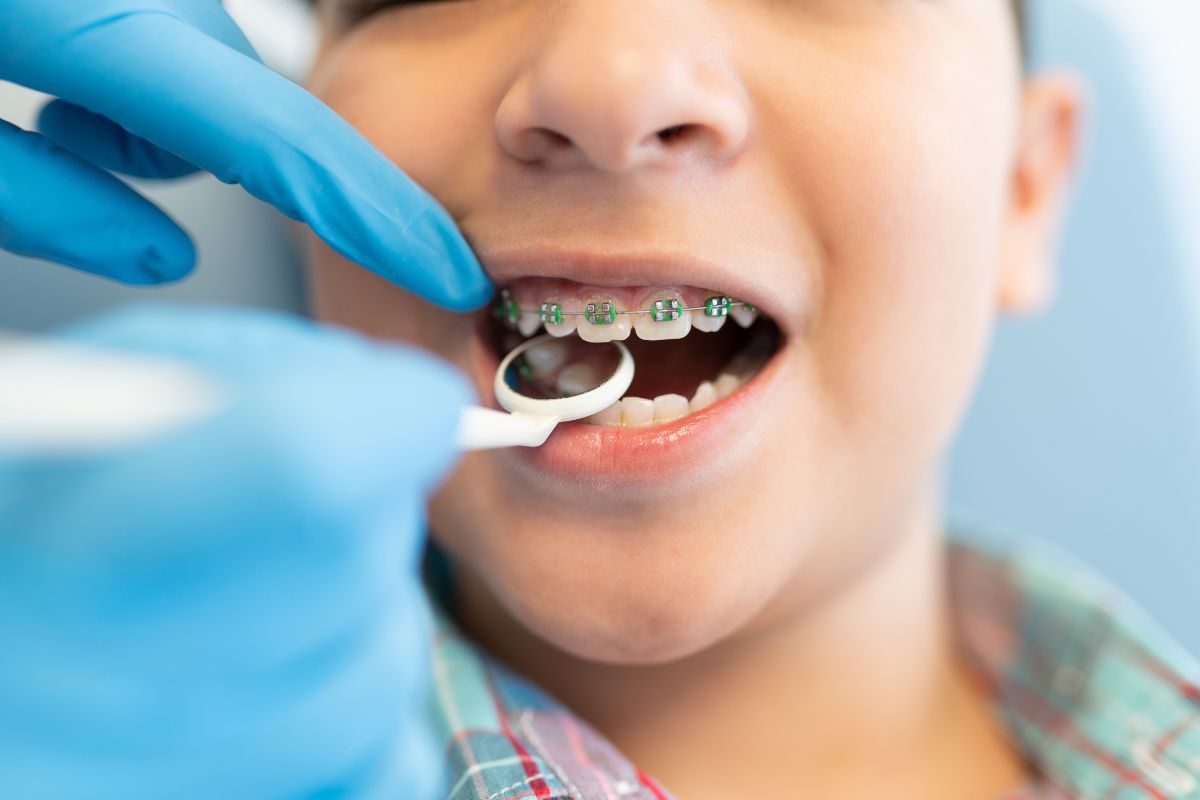
Orthodontics steps in at the right moment to interrupt the cycle. Early evaluation around age seven lets specialists spot developing problems while the jaw still responds well to guidance. Treatment focuses first on stopping the habit, then on aligning teeth if needed. This two-step approach delivers lasting results because the underlying behavior changes before braces or aligners go to work.
Habit-Breaking Appliances
Special appliances act as gentle reminders. A palatal crib or tongue crib sits behind the front teeth and creates a barrier. Kids quickly learn they cannot rest the thumb or push the tongue forward comfortably. These fixed devices stay in place for six to twelve months in most cases. They retrain muscles without discomfort or drama. Parents often report that children adapt within days and feel proud of their progress.
Supporting Techniques and Myofunctional Therapy
Orthodontists sometimes pair appliances with simple exercises that strengthen tongue and lip muscles. These short daily activities teach proper swallowing and resting positions. Positive reinforcement at home—such as sticker charts or praise—boosts a child’s motivation. The combination helps habits fade faster and reduces the chance of relapse once appliances come out.
Our orthodontic treatment for children in Broken Arrow provides families with these targeted options right in their community. Local experts tailor plans to each child’s unique growth stage and habits.
When to Seek Professional Help
Watch for these signals: thumb sucking that continues past age five, teeth that do not touch when biting, lisping, or a tongue that visibly pushes forward during speech. An early consultation allows an orthodontist to assess the situation and create a plan that fits the child’s age and development. Starting sooner often means shorter treatment and fewer long-term adjustments.
If you are searching for a orthodontist near Broken Arrow, expert guidance can make all the difference in turning these habits around before they affect confidence or require more extensive care.
Trending FAQs
- At what age does thumb sucking start to affect permanent teeth? Most effects appear after age five when permanent teeth begin to erupt.
- Can tongue thrusting cause an open bite? Yes. The forward pressure prevents front teeth from meeting properly.
- How long do habit appliances need to stay in place? Typically six to twelve months, depending on the child’s cooperation.
- Will the habit return after orthodontic treatment? It rarely returns when the appliance and exercises fully retrain the muscles.
- Does early orthodontics shorten future treatment time? Yes. Addressing habits early often reduces the need for longer braces later.
- Can myofunctional therapy replace appliances? It works well alongside appliances but rarely replaces them for strong habits.
Supporting a Healthy Smile at Home
Consistency matters. Replace thumb-sucking triggers with cuddly toys or calming routines. Encourage water instead of sippy cups for older toddlers. Model proper swallowing by gently reminding kids to keep lips closed and teeth lightly together. Celebrate small wins to keep motivation high. These simple steps work hand in hand with professional care.
Orthodontics gives children more than straight teeth. It builds lasting confidence and healthy oral function that lasts a lifetime. Parents who act early often see their kids smile more freely and speak more clearly within months. The journey feels rewarding when small changes lead to big improvements.
To get started, schedule an appointment with a qualified orthodontist near you who understands childhood habits and growth. Your child’s brighter future begins with one thoughtful conversation today.