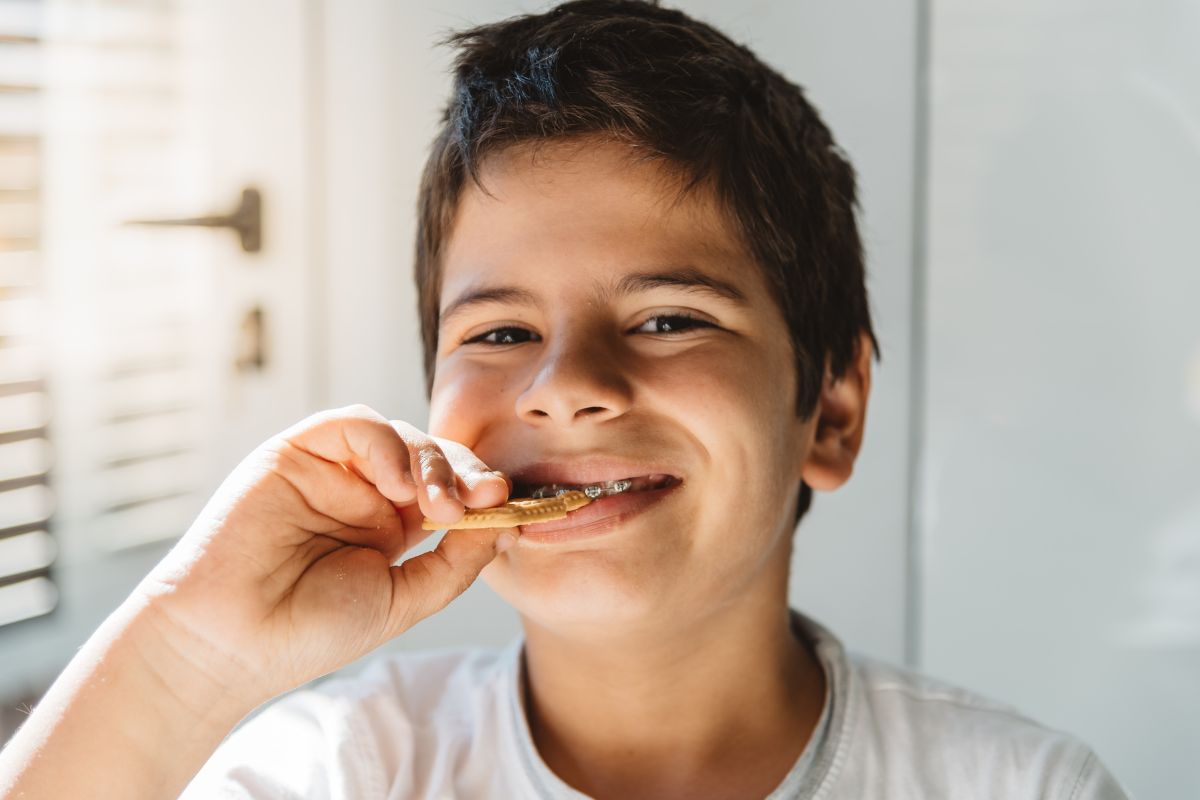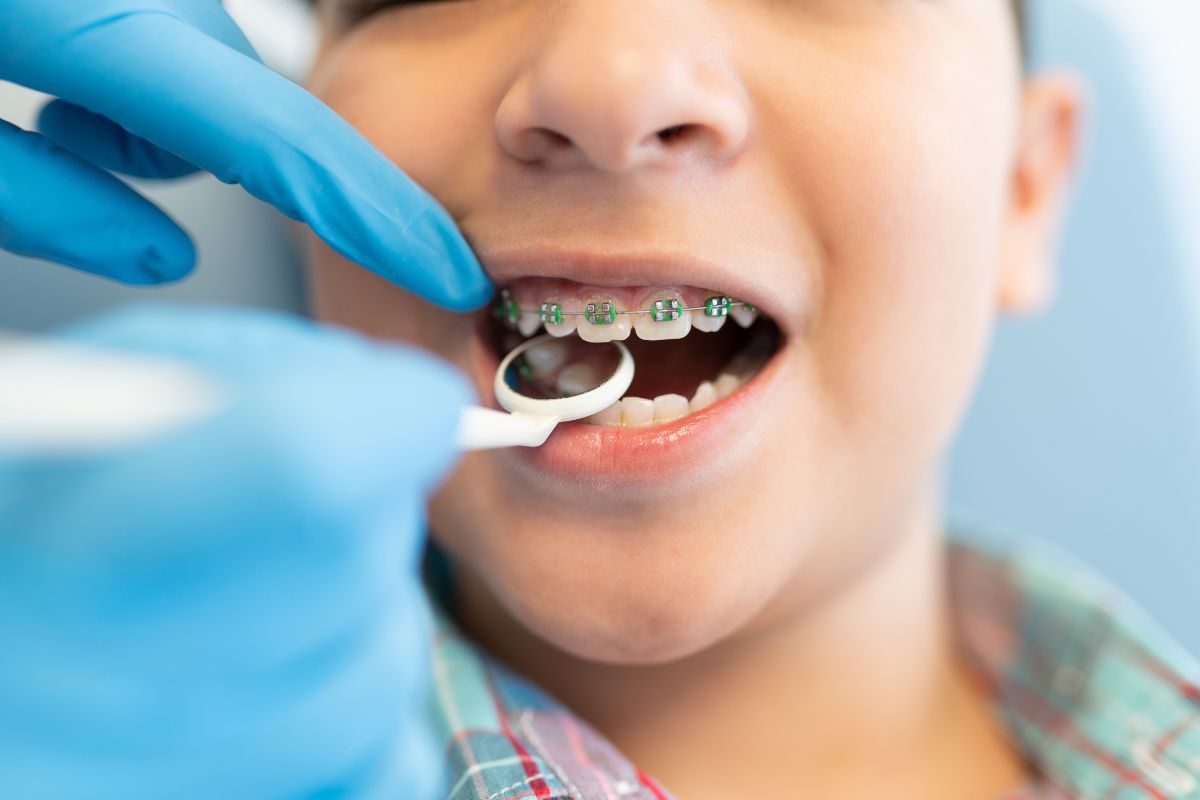
Parents often notice their child’s smile changing as baby teeth give way to permanent ones. It’s natural to wonder if those shifts signal something more. Early orthodontics steps in during these formative years, typically between ages 7 and 10, to address issues before they worsen. This proactive approach not only straightens teeth but also shapes a healthier future for your child’s oral health and confidence. Let’s explore how it works and the real differences it makes.
Why Consider Early Orthodontic Intervention?
Early intervention, often called Phase 1 treatment, focuses on guiding development rather than full correction. Kids’ bones and jaws are still growing, making adjustments easier and more effective. Orthodontists use tools like expanders or partial braces to influence jaw positioning and tooth eruption.
This timing matters. By catching problems young, treatment can prevent complications that demand longer, more invasive fixes later. Studies show it leads to better alignment and fewer extractions. Plus, it boosts self-esteem as kids see quick wins in their smile.
Common Jaw and Bite Issues It Addresses
One major win comes from guiding jaw growth. Uneven development can lead to underbites or overbites. Early care nudges the jaw into balance, creating symmetry and easing chewing.
Crossbites rank high too. Here, upper teeth sit inside lower ones, straining muscles and risking uneven wear. Simple appliances widen the upper arch, fixing this before it affects facial structure.
Protruding front teeth pose injury risks during play. Intervention pulls them back gently, lowering trauma chances by up to 33% according to research.
Tooth Alignment Challenges It Solves
Crowding tops the list of alignment woes. Permanent teeth push against limited space, causing overlaps. Early steps create room, often avoiding pulls altogether.
Impacted teeth hide below gums, delaying eruption. Timely guidance clears paths, reducing surgery needs.
Gaps from early baby tooth loss? Space maintainers hold spots open, ensuring permanents arrive straight.
Habits like thumb-sucking past age five warp arches. Appliances curb these, restoring natural positioning.
Speech and Swallowing Improvements
Misaligned bites disrupt more than looks. They muddle speech sounds and swallowing patterns. Early orthodontics aligns teeth for clearer articulation and efficient function.
Kids with these issues might lisp or struggle with “s” sounds. Treatment refines tongue placement, smoothing daily tasks like eating or talking.
Breathing ties in too. Narrow airways from poor alignment prompt mouth breathing, which dries tissues and slows growth. Expanding the palate opens nasal paths, promoting healthier habits.
Signs Your Child Might Benefit
Spotting cues early saves hassle. Watch for baby teeth lost too soon or lingering past schedule. This disrupts the eruption chain.
Mouth breathing during rest? It signals potential blockages needing address.
Persistent habits beyond five years flag intervention time.
Speech stumbles or jaw shifts when biting hint at deeper shifts.
Teeth grinding behind others or fitting oddly inside lowers? These scream for a check.
For families in the area eyeing options, orthodontic treatment for children in Broken Arrow, OK offers tailored paths to straighter smiles without overwhelm.
The Long-Term Perks Backed by Data
Early action simplifies everything. It regulates arch widths, eases permanent tooth arrivals, and nixes extraction risks. Swallowing and speech normalize too.
Here’s a quick look at key stats from orthodontic studies:
| Outcome Measure | Improvement with Early Treatment | Source Insight |
|---|---|---|
| Overjet Reduction | Average 3.5 mm decrease | Journal of Pharmacy & Bioallied Sciences |
| Trauma Risk to Incisors | 33-41% lower incidence | American Journal of Orthodontics |
| PAR Score Improvement | 63% mean reduction in malocclusion | Seven-Year Outcome Study |
| Crossbite Correction Rate | 41.4% of cases resolved early | Springer Clinical Study |
These numbers highlight why starting young pays off. Less complexity means shorter overall care.
Trending FAQs on Early Orthodontics
Parents everywhere turn to search engines with the same worries. Based on top Google queries, here are answers to the most common ones:
- At what age should my child see an orthodontist? Aim for age 7. This lets pros spot growth patterns early, even if treatment waits.
- What are the signs my child needs early treatment? Look for crowded teeth, thumb-sucking habits, mouth breathing, or bite mismatches like overjets.
- Does early orthodontics hurt? Mild discomfort at first, like soreness, but it’s brief. Kids adjust fast with over-the-counter relief.
- How long does Phase 1 last? Typically 6-18 months, focusing on big fixes before a rest period.
- Can it fix speech problems? Yes, by aligning bites, it often clears articulation issues tied to tooth positions.
These insights ease minds and guide next steps.
Building Confidence Through Prevention
Think about daily life. Straight teeth mean easier brushing, fewer cavities, and bolder grins at school. Early orthodontics sets this foundation, turning potential headaches into smooth sails.
It also cuts future treatment time. Many kids skip Phase 2 altogether or breeze through it.
If you are searching for an orthodontist near you, rest easy knowing local experts prioritize gentle, proven methods that fit busy family rhythms.
In wrapping up, early orthodontics transforms subtle shifts into strong, lasting results. Your child’s smile deserves that head start. Ready to chat? Schedule an appointment today and unlock their brightest potential.