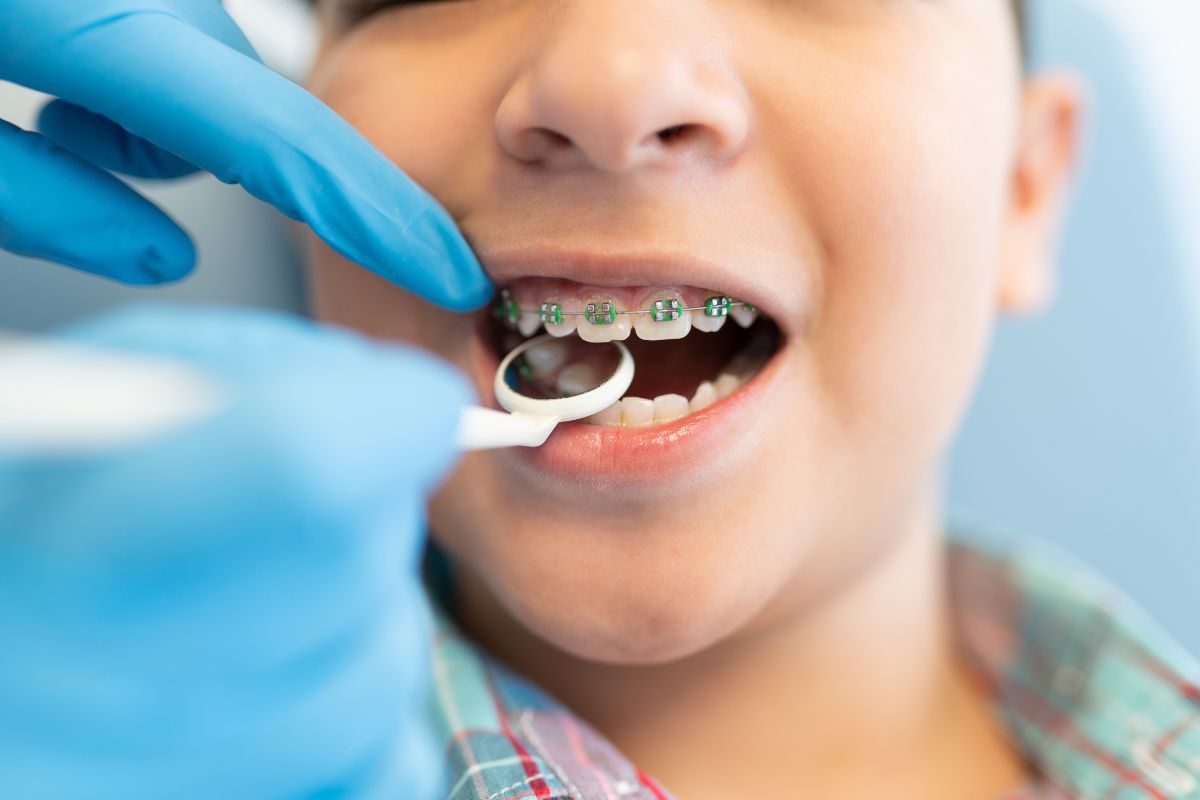
As parents, we all want our kids to grow up with healthy smiles that boost their confidence. But sometimes, subtle dental issues can sneak up during childhood. Recognizing these early can prevent bigger problems down the road. This post dives into key indicators that suggest your little one might benefit from professional attention, helping you stay proactive about their oral health.
Understanding Early Orthodontic Care
Early orthodontic care focuses on guiding jaw and tooth development in young children. It often starts with a simple check-up. The American Association of Orthodontists suggests this by age seven. At this stage, kids have a mix of baby and permanent teeth. An expert can spot potential issues like misalignment or bite problems.
This approach isn’t about braces right away. It’s more about monitoring growth. Think of it as preventive maintenance for a beautiful smile. Many parents wonder why so early. Jaws are still growing, making adjustments easier. Addressing concerns now can simplify future treatments.
Common Signs to Watch For
Keep an eye on your child’s mouth habits and tooth alignment. Some signs are obvious, others less so. Let’s break them down.
Crowded or Misaligned Teeth
Teeth that overlap or seem squeezed together signal crowding. This happens when the jaw lacks space for incoming permanent teeth. Gaps might appear uneven too. These issues can worsen as more teeth erupt.
Early or Late Loss of Baby Teeth
Baby teeth usually fall out between ages six and twelve. Losing them too soon or too late disrupts the process. Early loss might cause shifting. Delayed loss could mean underlying blockages.
Difficulty Chewing or Biting
If your child struggles to bite into food or chews oddly, check their bite. An improper alignment, like an overbite or underbite, might be the culprit. This can lead to uneven wear on teeth.
Mouth Breathing or Snoring
Chronic mouth breathing often points to narrow airways or jaw misalignment. Snoring at night is another red flag. These habits can affect facial development over time.
Prolonged Thumb Sucking or Pacifier Use
Habits like thumb sucking beyond age four can push teeth forward. This creates open bites or protrusions. Gentle encouragement to stop helps, but persistent issues may need intervention.
Speech Impediments
Trouble pronouncing certain sounds, like lisps, can stem from tooth or jaw positions. If speech therapy alone doesn’t help, orthodontic evaluation might be key.
Protruding Teeth or Jaw Shifts
Front teeth that stick out increase injury risk. Jaws that click or shift when closing indicate misalignment. These can cause discomfort or uneven growth.
Spotting these early allows for timely steps. For instance, if you’re considering early orthodontic treatment in Broken Arrow, OK, observing these cues can guide your next move.
Benefits of Addressing Issues Early
Acting sooner rather than later offers real advantages. Early care can guide jaw growth for better alignment. It creates space for permanent teeth, reducing crowding risks.
This approach often shortens overall treatment time later. It can prevent more complex problems, like impacted teeth. Kids gain confidence from improved smiles too. Plus, it lowers trauma chances for protruding teeth.
Facial symmetry improves as jaws develop properly. Many families find this phase preserves spots for unerupted teeth. Overall, it sets a strong foundation for lifelong oral health.
Statistics on Childhood Orthodontic Needs
Data highlights how common these issues are. Here’s a quick overview in table form:
| Orthodontic Issue | Prevalence in Children |
|---|---|
| Malocclusion (misaligned bite) | 50-75% |
| Crowding or spacing problems | 30-50% |
| Overbite or underbite | 20-40% |
| Need for orthodontic treatment | 25-50% |
These numbers come from studies by organizations like the American Association of Orthodontists. They show why screenings matter. About half of U.S. kids end up needing some form of care.
Trending FAQs on Early Orthodontic Intervention
Parents often have similar questions about this topic. Based on popular searches, here are some trending FAQs with clear answers:
- At what age should my child first see an orthodontist? The ideal time is by age seven. This allows experts to monitor growth and catch issues early, even if treatment isn’t immediate.
- What is the difference between early and regular orthodontic treatment? Early treatment, or Phase One, focuses on jaw guidance and space creation around ages 7-10. Regular treatment, Phase Two, aligns permanent teeth in adolescence.
- Does every child need early orthodontic treatment? Not all do. It depends on individual growth patterns. Many kids just need monitoring, while others benefit from intervention to avoid complications.
- What are the benefits of early treatment? It can reduce future treatment complexity, improve jaw symmetry, and prevent issues like tooth trauma or extractions.
- How long does early orthodontic treatment typically last? Phase One often spans 9-18 months, followed by a rest period before Phase Two if needed.
These address common concerns from online queries.
Early care isn’t always about devices like expanders. Sometimes, it’s simple observation. Habits play a role too. Encourage good oral routines to support natural development.
If habits persist, they might alter tooth positions. Breaking them gently helps. Combine this with regular dental visits for best results.
Technology aids these evaluations now. Digital scans provide precise insights without discomfort. This makes the process kid-friendly.
Parents in areas with growing families often seek local options. If you are searching for an orthodontist near you, consider factors like experience with children and flexible scheduling.
Empower yourself with knowledge. Talk to your child’s dentist about referrals. They can spot early signs during routine check-ups.
In the end, early awareness leads to healthier outcomes. Your child’s smile is worth the attention.