Wearing a retainer after orthodontic treatment is a little like protecting a masterpiece after months or years of work. You’ve gone through braces or aligners, and now it’s time to maintain that beautifully aligned smile. But one question often lingers: “Do I really need to wear my retainer forever?”
The truth? Retainers are essential, especially right after treatment, but yes—gradually reducing wear over time is often possible. The key is knowing when and how to make that transition without putting your smile at risk.
Let’s dive into how wearing retainers in Broken Arrow fits into the long-term plan for keeping your teeth perfectly aligned, and what your orthodontist will recommend as you move forward.
The Purpose of Wearing Retainers
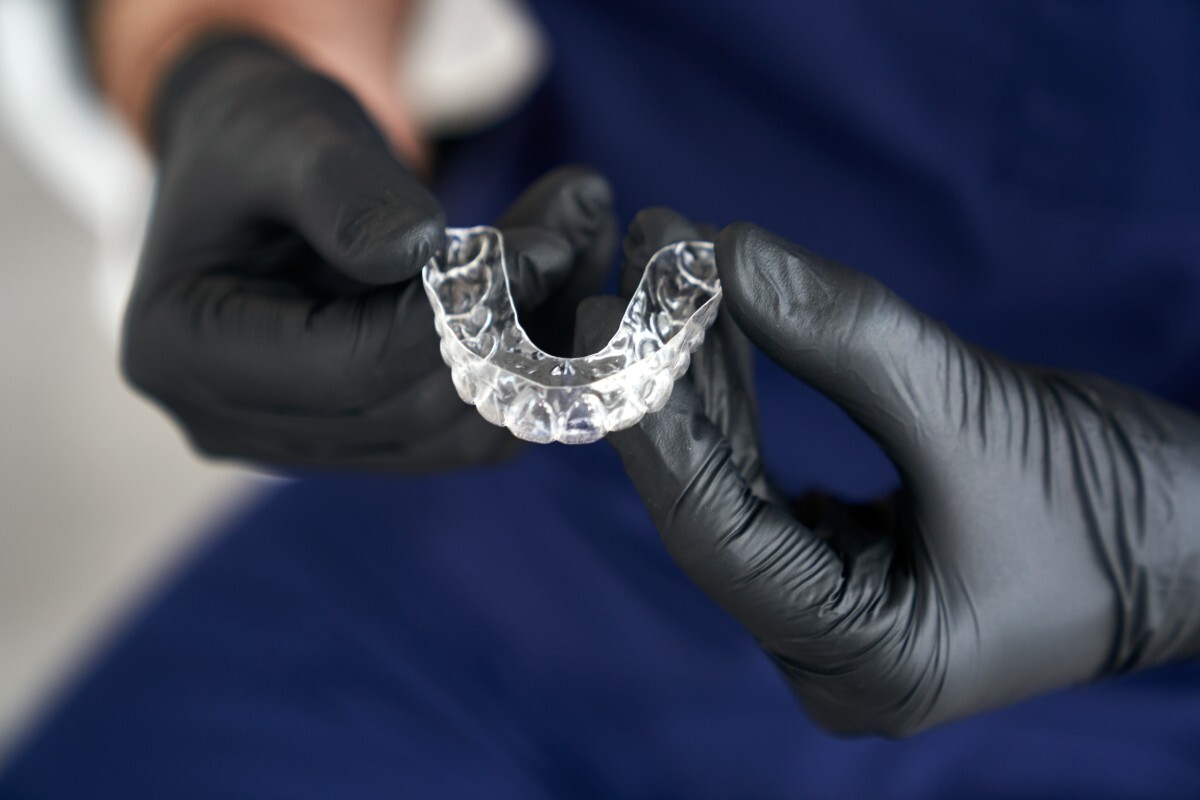
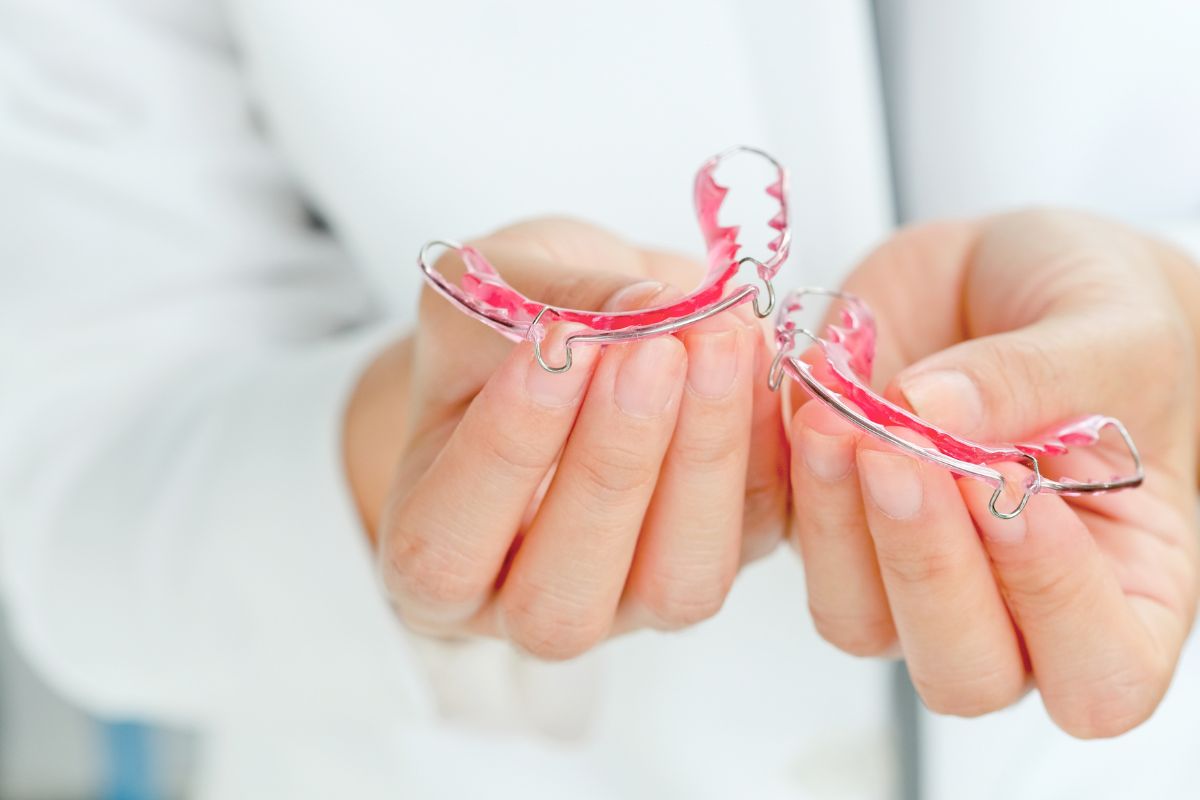
Retainers in Broken Arrow do exactly what their name implies: They retain your newly straightened teeth. After your braces come off or you finish Invisalign treatment, your teeth still need time to settle into place. Without support, they can quickly shift back.
That’s why your orthodontist initially recommends full-time wear—usually 20–22 hours a day—for the first few months after treatment ends. Your bones and ligaments are still adjusting, and this time is critical for stabilization.
So, Can You Wear Retainers Less Over Time?
Yes—with guidance. Most people don’t need to wear retainers 24/7 forever. As your teeth become more stable, your orthodontist may suggest you switch to nighttime-only wear. Later, you might only need to wear them a few nights a week. This gradual reduction, however, should always be done under professional supervision.
Why? Because every smile is different. Some people’s teeth are more prone to shifting. If you ease off too soon, you risk undoing the progress you worked hard to achieve.
Signs You May Be Able to Cut Back
Wondering when you can safely reduce wear? Your orthodontist will look at several factors:
- How long you’ve worn your retainer full-time
- Stability of your bite and alignment
- If your retainer fits properly after hours of not wearing it
- Whether you’ve experienced any recent shifting
If your retainer still fits snugly after going a day or two without it, your teeth are likely staying in place. That’s a good sign that reduced wear might be an option.
Tips to Keep Your Smile Stable During Transition
When reducing retainer wear, it’s important to take a smart and gradual approach. Here’s how to support your smile through the process:
- Stay consistent with nighttime wear, even when reducing frequency
- Check the fit regularly—if your retainer feels tight, resume more frequent use
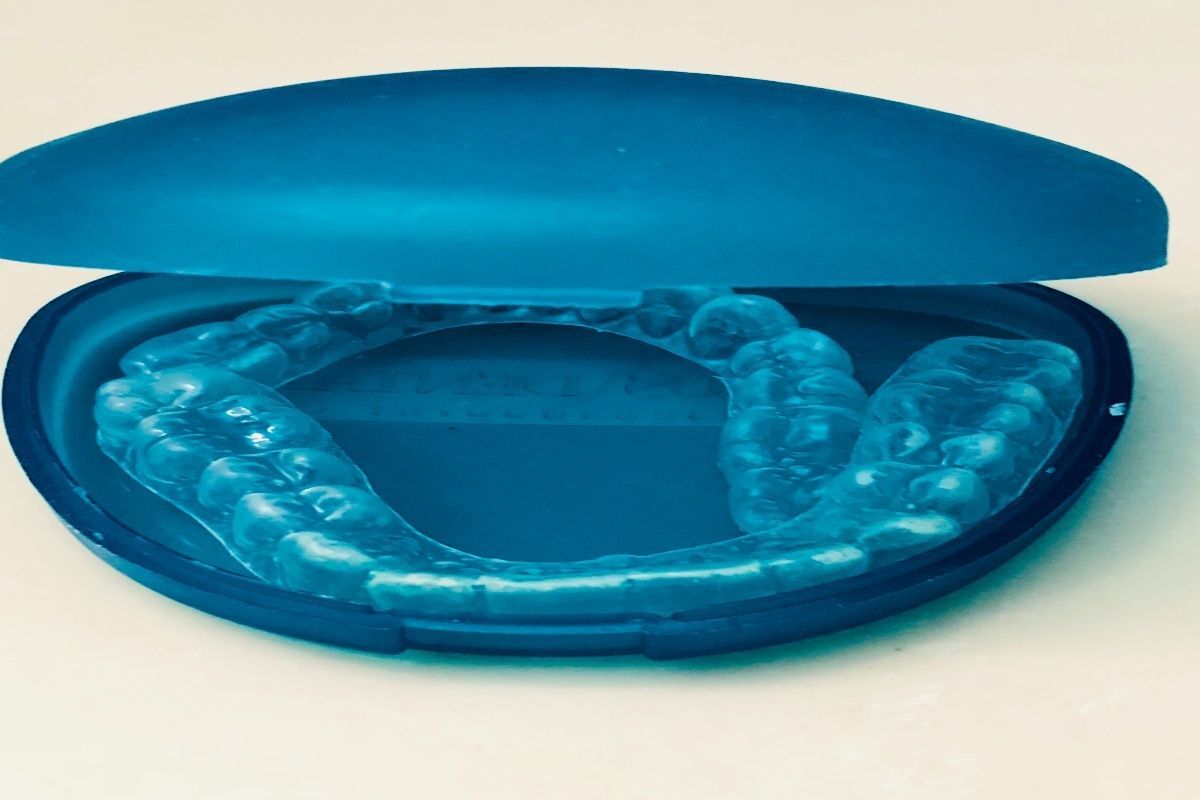
- Store your retainer safely to avoid loss or damage
- Clean it daily to prevent bacteria buildup
And don’t skip checkups—your orthodontist will help track your progress and catch signs of shifting early.
Why Communication Is Key
One of the most important aspects of managing retainer wear is honest communication with your orthodontist. Let them know if your retainer feels different, if it’s uncomfortable, or if you notice any changes in your bite.
They may suggest temporary full-time wear again or explore other options to protect your smile.
Your retainer is your best defense against post-treatment relapse. While it is possible to reduce how often you wear it, this should always be done carefully and with guidance from a trusted professional.
With regular wear—especially at night—and clear communication, you’ll be able to enjoy the smile you worked so hard for, for years to come.
If you’re navigating life after orthodontic treatment and have questions about your retainers, trust an orthodontist near you to help you stay on track with a smile that lasts.