You’ve just finished orthodontic treatment, and now comes the retainer phase. It’s exciting to see that straight smile, but then you notice something off when you speak. Words feel a bit fuzzy, especially certain sounds. Many people wonder if this is part of the process or something to worry about. Rest assured, this common experience often fades with time, and understanding it can make the transition smoother.
Understanding Retainers and Their Role
Retainers help maintain your teeth’s new positions after braces or aligners. They prevent shifting, ensuring long-term results. Different types exist, each with unique features.
Types of Retainers
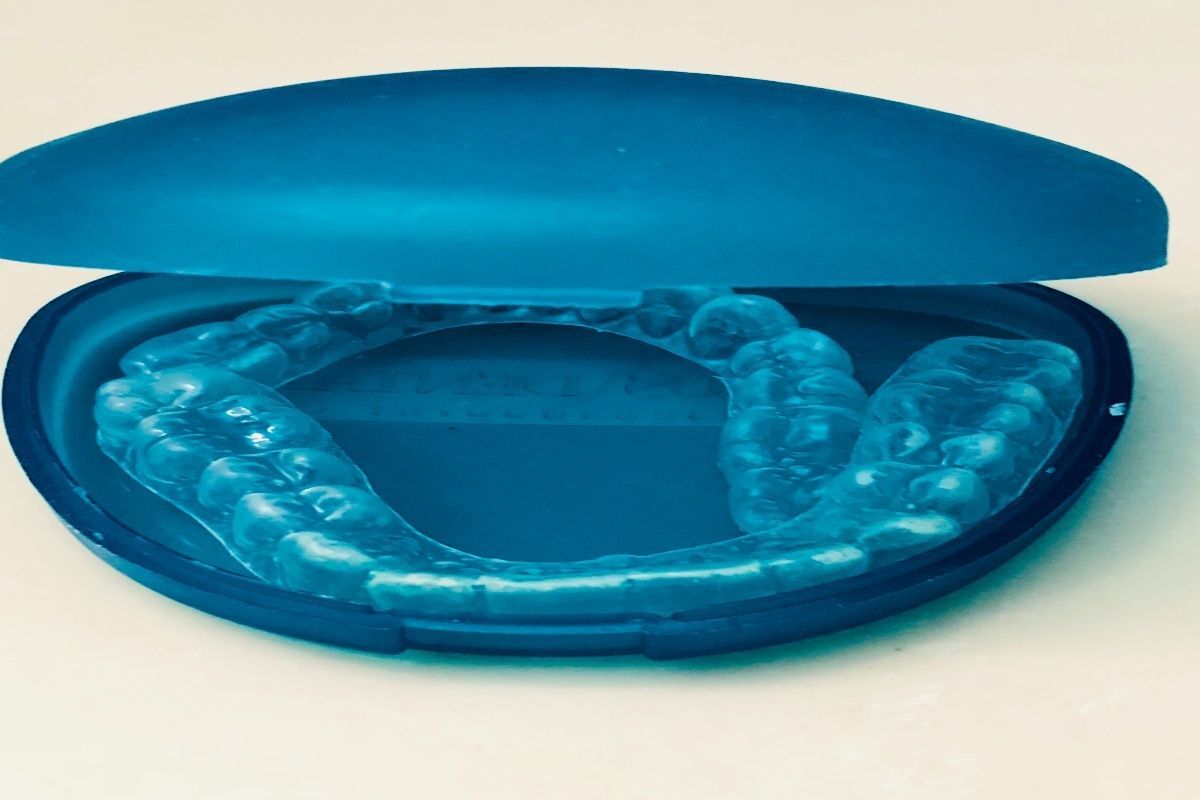
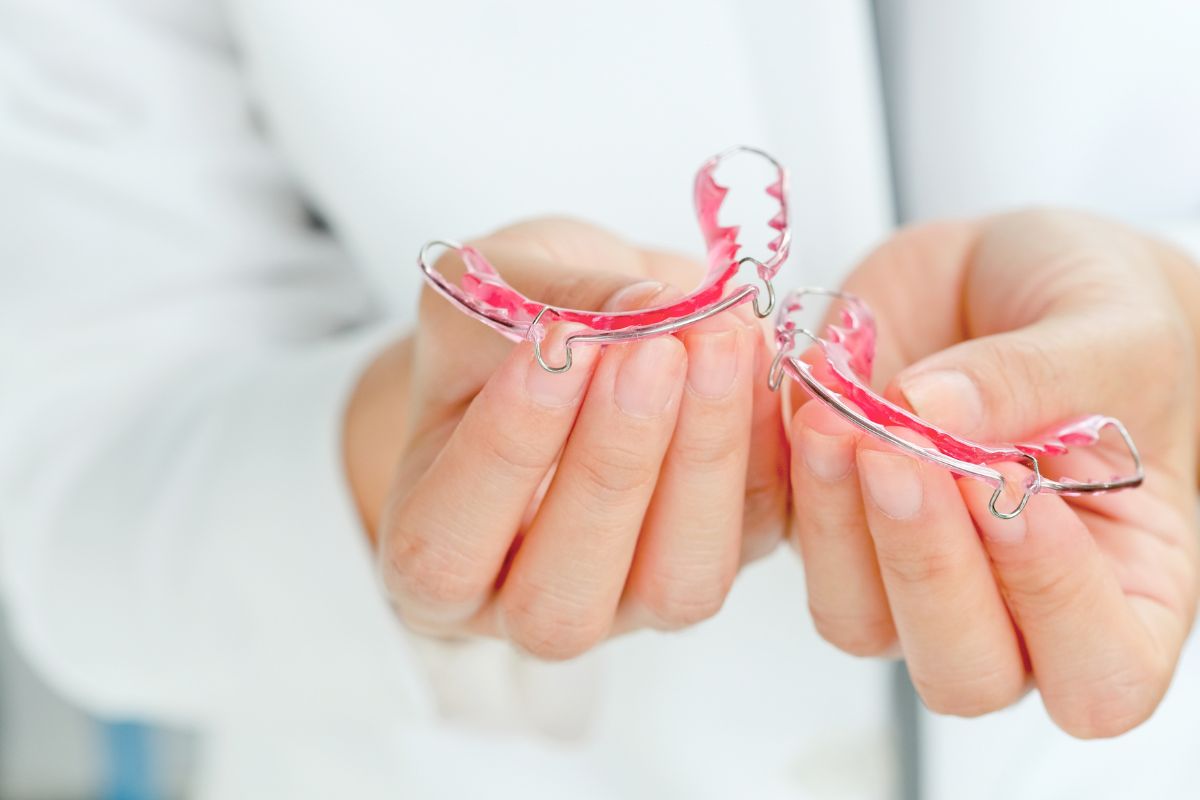
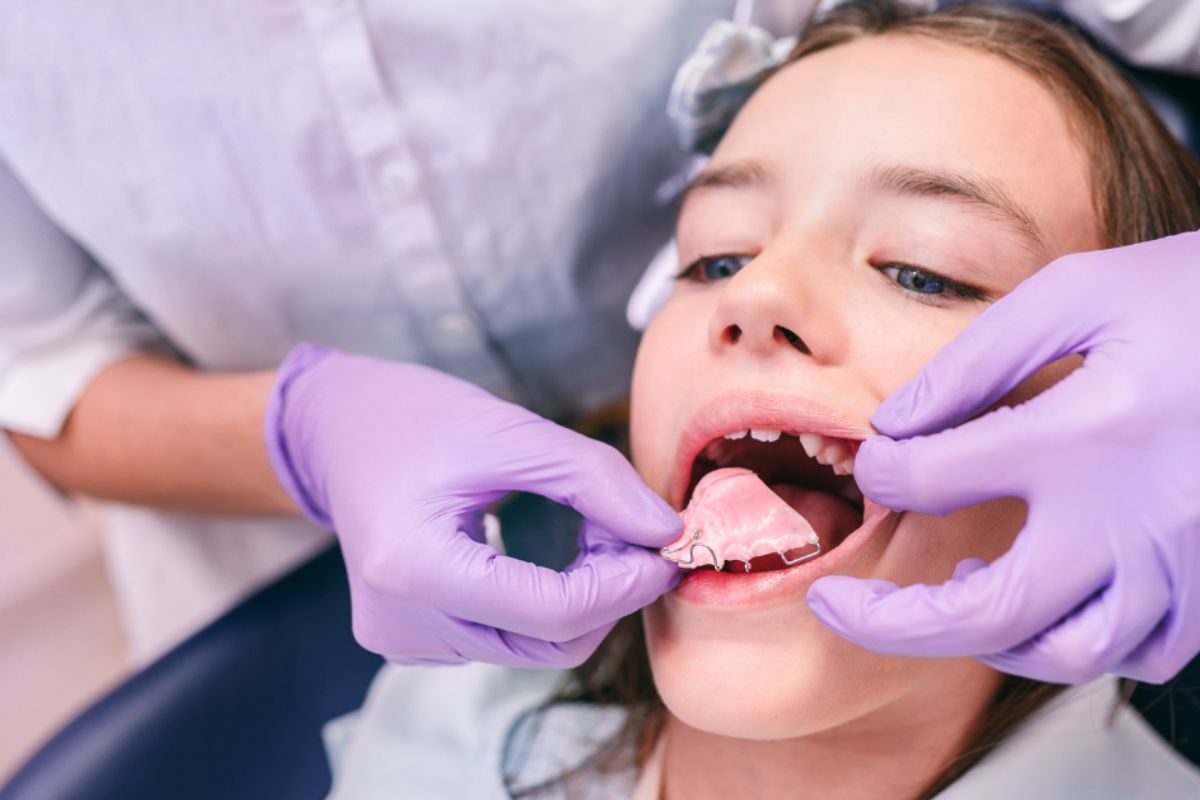
Hawley retainers use a wire and acrylic plate. They sit against the roof of your mouth. Clear plastic retainers, like Essix models, fit snugly over teeth. They’re nearly invisible. Fixed retainers bond to the back of teeth for constant hold. Each serves a purpose based on your needs.
Why Retainers Are Essential
Without retainers, teeth can drift back. This undoes hard work from treatment. Wearing them as directed keeps your bite aligned. It’s a simple step for lasting confidence in your smile.
The Connection Between Retainers and Speech
Speech involves precise tongue movements. A new retainer changes mouth space. This can alter how air flows and tongue positions. It’s why some notice changes right away.
Common Speech Changes
You might hear a whistle on “s” sounds. Or a subtle shift in “th” or “sh.” Increased saliva can add to the mix. These aren’t unusual. Your mouth is adapting to the device.
Hawley types often impact speech more due to the palate coverage. Clear ones tend to cause less disruption. Fixed options usually have minimal effects since they’re slim.
Is a Slight Lisp Normal?
Yes, a slight lisp is typical at first. Studies show speech distortions spike right after fitting. Sounds like /t/, /d/, /k/, and /n/ are often affected. This happens because the tongue adjusts to new barriers.
Research indicates 10-15% of people cite speech as a compliance hurdle. But most adapt quickly. It’s not a sign of a problem; it’s your body learning.
How Long Does It Last?
Adjustment varies. For many, changes ease in 3-7 days with full wear. Night-only users might take up to two weeks. Consistent use speeds things up. In rare cases, it lingers a month, but persistence helps.
One study found distortions reduce after 21 days, though not always fully baseline. Your brain rewires fast, making speech natural again.
Factors Influencing Speech Adjustment
Several elements play a role in how quickly you adapt.
Retainer Type and Fit
A well-fitted retainer minimizes issues. Hawley designs may need more time due to bulk. Clear plastic versions often resolve faster. If fit feels off, a quick check ensures comfort.
Individual Differences
Age matters. Younger people adapt quicker. Tongue habits from prior treatment influence too. Those with speech therapy history might notice less change.
Wear Schedule
Following your plan is key. Skipping hours prolongs adjustment. Full-time wear initially builds familiarity.
Tips to Overcome Speech Challenges
You can actively improve. Start with simple practices.
Practice Speaking
Read aloud daily. Focus on tricky words. Repeat phrases with “s” or “z.” This trains your tongue. Sing songs to make it fun. Progress comes with repetition.
Stay Consistent
Wear your retainer as advised. Removal only for eating or cleaning. This helps your mouth normalize faster.
Manage Saliva
Extra saliva is common. Swallow often. It lessens over days. Avoid sticky foods that worsen it.
If changes persist beyond weeks, consult your orthodontist. They can tweak the fit.
Trending FAQs on Retainer Lisps
Here are some frequently asked questions based on what people often search online about this topic:
- How long does a retainer lisp last? It usually fades in 3-7 days for full-time wearers, or up to two weeks for nighttime use. Consistent practice helps it resolve quicker.
- Why do retainers cause a lisp? They alter tongue space and airflow, especially with palate-covering types. Your mouth needs time to adjust.
- Does the lisp from a retainer go away? Yes, it’s temporary for most. Speech returns to normal as you adapt, often within days to weeks.
- How can I get rid of a retainer lisp faster? Practice reading aloud, repeat challenging sounds, and wear it consistently. If needed, speech exercises speed things up.
- Which retainer type causes the least lisp? Clear plastic ones typically have minimal impact compared to Hawley designs with acrylic plates.
These address common concerns and provide quick answers.
Speech Adjustment Timeline: Key Stats
Here’s a table summarizing adjustment periods from orthodontic studies:
| Time Frame | Common Experience | Affected Sounds | Resolution Rate |
|---|---|---|---|
| Day 1 | High distortions, lisp noticeable | /t/, /d/, /k/, /n/ | Low (initial spike) |
| 1 Week | Improvements start, especially /k/ | /d/, /n/ persist | 50-70% better |
| 2-3 Weeks | Most changes fade | Minimal lingering | 80-90% resolved |
| 1 Month+ | Back to normal for nearly all | Rare persistence | 95%+ full adaptation |
Data from acoustic analyses shows quick tongue adaptation, with 10-15% noting ongoing minor issues if compliance dips.
When to Seek Professional Help
Most lisps self-resolve. But watch for signs. If speech doesn’t improve after a month, it might need adjustment. Discomfort or sores warrant a visit too.
Orthodontists check fit during follow-ups. They ensure everything aligns well. Early tweaks prevent bigger issues.
Maintaining Your Retainer for Long-Term Success
Care keeps your retainer effective. Clean daily with mild soap. Avoid heat to prevent warping. Store in its case when out.
Regular check-ups monitor progress. This maintains your smile and speech comfort.
If you’re looking for a trusted orthodontist near you in Broken Arrow, OK, we’re here to guide you through every step with personalized care.
Your journey doesn’t end with fitting. Ongoing support ensures comfort.
In conclusion, embracing your retainer leads to lasting results. Don’t hesitate to schedule an appointment if questions arise. It keeps things on track.
That slight speech shift? It’s a small step toward a confident, aligned smile that speaks volumes.