Have you noticed more people straightening their teeth without traditional metal braces?
Whether it’s a coworker, a college student, a parent, or even a retiree, chances are you’ve seen someone wearing clear aligners. These nearly invisible orthodontic devices have transformed the way Americans approach teeth straightening, offering a modern alternative to braces that fits more comfortably into busy lifestyles.
Over the past two decades, clear aligners have become one of the fastest-growing segments in dentistry. According to market research from Grand View Research, the global clear aligners market was valued at approximately $6.2 billion in 2024 and is projected to continue growing at a compound annual growth rate (CAGR) of more than 30% through the next decade. Additionally, Align Technology, the maker of Invisalign, reports that more than 18 million patients worldwide have been treated with Invisalign clear aligners since the system was introduced.
But why are clear aligners growing so rapidly compared to traditional braces?
The answer involves a combination of aesthetics, comfort, technology, convenience, and changing patient expectations. Today’s orthodontic patients want effective treatment without the appearance and lifestyle limitations often associated with metal braces.
In this guide, we’ll explore why clear aligners have become the fastest-growing orthodontic treatment in the United States, how they compare to traditional braces, and what local patients should know before beginning treatment.
The Growing Demand for Orthodontic Treatment
Orthodontic treatment is no longer limited to teenagers.
According to the American Association of Orthodontists (AAO), approximately one in four orthodontic patients is an adult.
Several factors are contributing to this trend:
- Increased focus on appearance
- Greater awareness of oral health
- Social media influence
- Improved treatment options
- Flexible financing solutions
Adults who once avoided braces are now pursuing treatment because clear aligners in Broken Arrow offer a more discreet solution.
Why Are Clear Aligners Growing Faster Than Traditional Braces?
Several important factors explain their rapid growth.
1. Nearly Invisible Appearance
One of the biggest advantages of clear aligners is aesthetics.
Traditional braces remain highly visible throughout treatment.
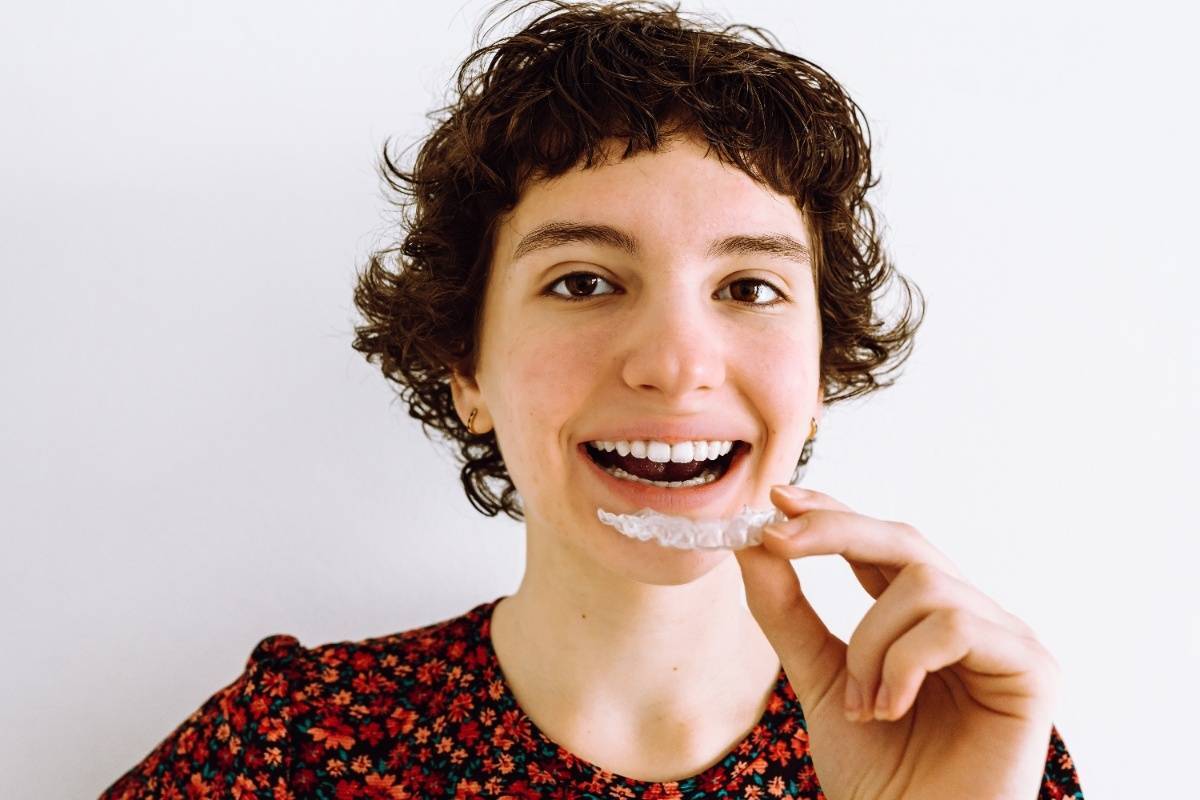
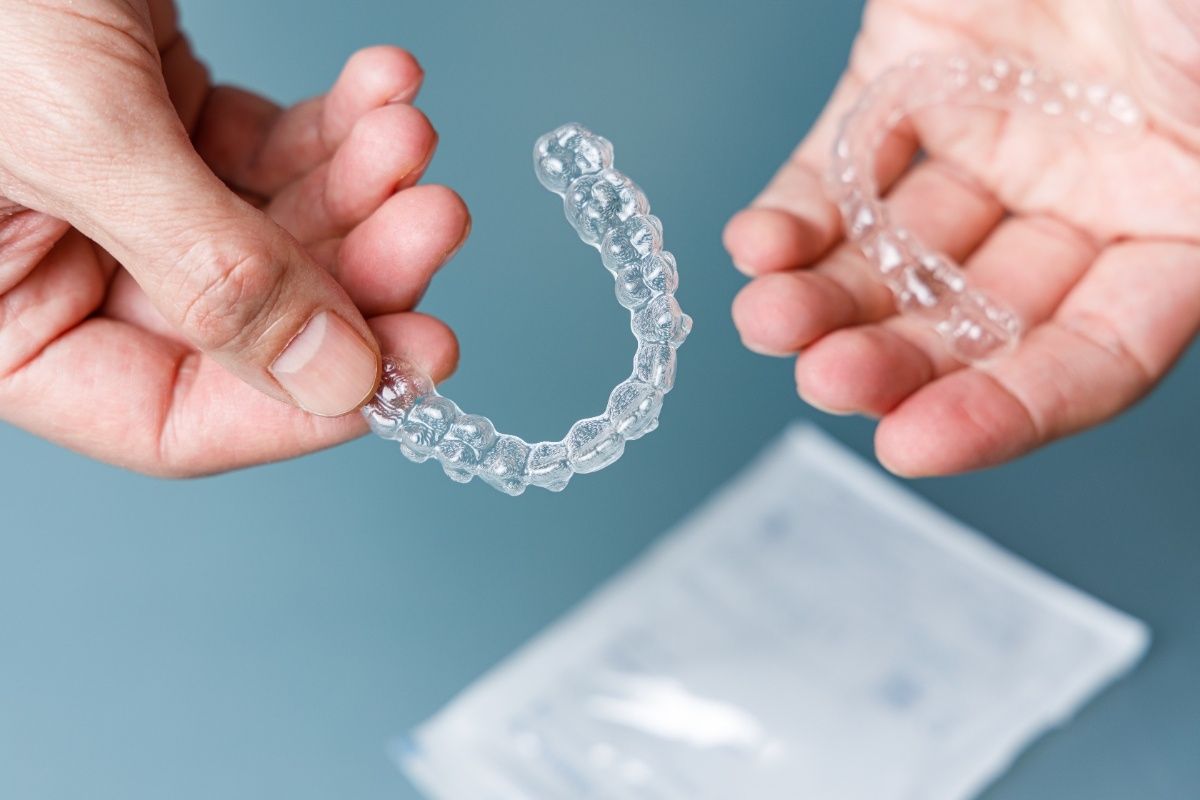
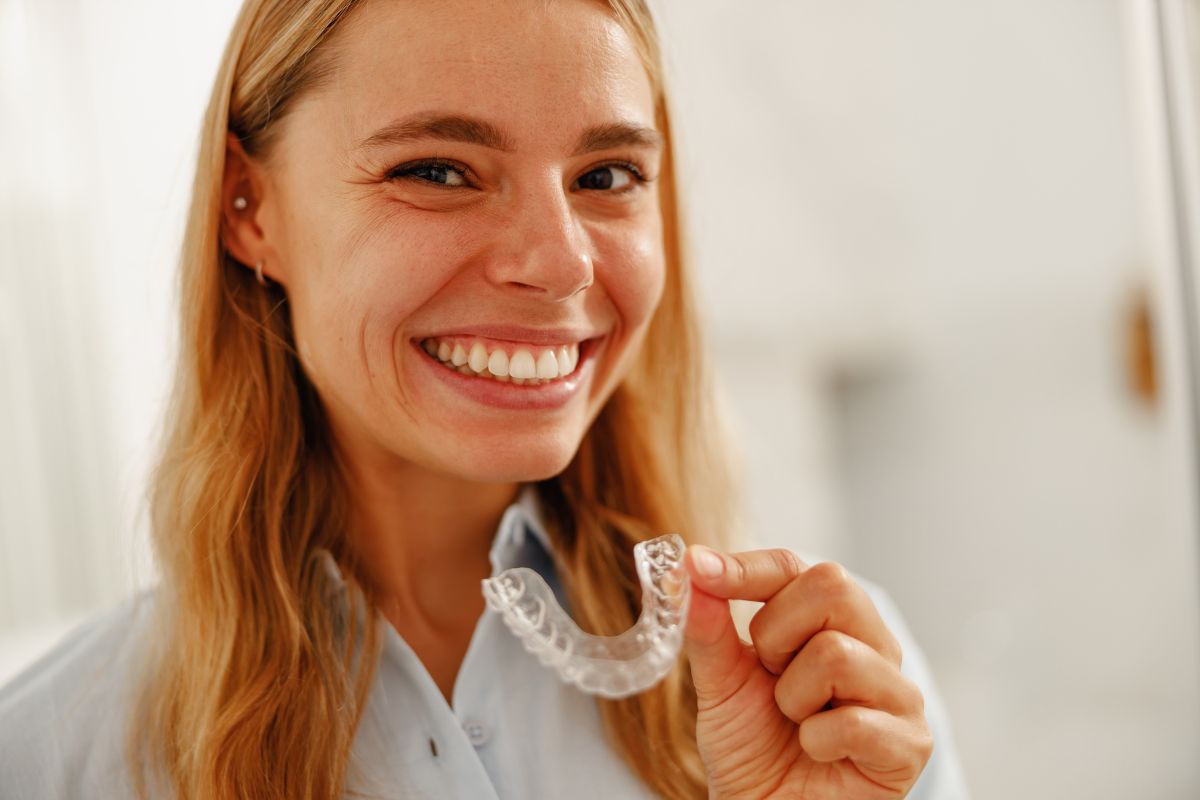
Clear aligners are designed to be almost unnoticeable during daily activities.
According to surveys conducted by the American Academy of Cosmetic Dentistry (AACD), nearly 48% of adults believe a smile is the most memorable feature when meeting someone for the first time.
For many patients, maintaining a professional appearance while improving their smile is extremely important.
Adults working in:
- Business
- Healthcare
- Education
- Sales
- Public-facing professions
Often prefer clear aligners because they allow treatment without drawing attention.
2. Increased Comfort
Comfort is another major reason for the popularity of clear aligners.
Traditional braces include:
- Metal brackets
- Wires
- Elastics
These components can sometimes cause:
- Mouth irritation
- Lip discomfort
- Cheek soreness
Clear aligners are fabricated from smooth plastic materials that generally cause fewer soft tissue issues.
A systematic review published in the Journal of Orthodontics found that clear aligner patients often report improved comfort levels compared to traditional fixed appliances.
Although some pressure occurs when switching aligners, many patients find the experience more manageable.
3. Removability Provides Greater Freedom
Unlike braces, aligners can be removed.
This flexibility allows patients to:
- Eat normally
- Brush effectively
- Floss easily
- Attend special events
- Participate in sports comfortably
One of the most common frustrations associated with braces involves dietary restrictions.
Patients with braces are often advised to avoid:
- Sticky candy
- Popcorn
- Hard nuts
- Ice
- Chewy foods
Clear aligners eliminate most of these concerns because they are removed before meals.
This convenience is particularly appealing to adults and teenagers.
4. Better Oral Hygiene
Maintaining oral hygiene during orthodontic treatment can be challenging.
The Centers for Disease Control and Prevention (CDC) reports that nearly 47% of adults aged 30 years and older have some form of periodontal disease, highlighting the importance of proper oral care.
Brackets and wires can trap food particles and plaque, making brushing and flossing more difficult.
Clear aligners allow patients to:
- Remove appliances before cleaning
- Brush normally
- Floss thoroughly
- Reduce plaque accumulation
Research published in the European Journal of Orthodontics suggests that clear aligner patients may experience improved periodontal health compared with some fixed appliance patients.
5. Advanced Digital Technology
Technology has revolutionized orthodontics.
Modern clear aligner treatment often begins with:
- Digital scans
- 3D imaging
- Computer simulations
- Artificial intelligence-assisted planning
Instead of traditional dental impressions, many practices now use intraoral scanners that create highly accurate digital models.
Patients can often view a projected treatment outcome before treatment even begins.
This visualization increases patient confidence and engagement.
According to industry reports, digital treatment planning has become one of the most attractive features of clear aligner therapy.
6. Growing Adult Orthodontic Market
Historically, orthodontics was associated with adolescence.
Today, adults represent a significant portion of orthodontic patients.
The AAO reports that adult orthodontic treatment has increased substantially over the past two decades.
Many adults postponed treatment earlier in life due to:
- Cost concerns
- Appearance concerns
- Limited treatment options
Clear aligners have changed that equation.
The ability to straighten teeth discreetly has encouraged millions of adults to seek orthodontic care.
7. Faster Treatment for Many Cases
Many patients are attracted by the possibility of shorter treatment times.
While every case differs, clear aligners often complete mild-to-moderate cases in:
- 6 to 18 months
Traditional braces frequently require:
- 18 to 24 months
Research published through the National Library of Medicine indicates that aligners can achieve efficient outcomes in appropriately selected cases.
However, treatment duration depends heavily on:
- Case complexity
- Patient compliance
- Biological response
8. Increased Patient Satisfaction
Patient satisfaction plays a major role in treatment growth.
A review published in Progress in Orthodontics found that clear aligner patients frequently report positive experiences related to:
- Appearance
- Comfort
- Convenience
- Speech adaptation
- Social confidence
Satisfied patients often recommend treatment to family and friends, further accelerating adoption.
The Role of Social Media and Modern Culture
Social media has significantly influenced cosmetic dentistry.
Platforms such as:
- TikTok
- YouTube
Have increased awareness of smile aesthetics.
According to the AACD, many patients report greater interest in cosmetic dental procedures due to digital photography and exposure to social media.
Because clear aligners are difficult to detect in photos and videos, they fit naturally into today’s image-conscious culture.
Are Clear Aligners Effective?
The popularity of clear aligners would not continue if results were poor.
Numerous studies have demonstrated successful outcomes for:
- Mild crowding
- Moderate crowding
- Spacing issues
- Certain bite corrections
- Tooth rotations
Research published in the American Journal of Orthodontics and Dentofacial Orthopedics supports the effectiveness of clear aligners for many orthodontic conditions when properly planned and monitored.
For highly complex cases, traditional braces may still offer advantages.
However, advances in aligner technology continue to expand treatment capabilities.
Clear Aligners vs. Traditional Braces
| Feature | Clear Aligners | Traditional Braces |
| Appearance | Nearly Invisible | Highly Visible |
| Removable | Yes | No |
| Dietary Restrictions | Minimal | Significant |
| Oral Hygiene | Easier | More Challenging |
| Comfort | Generally Higher | Moderate |
| Complex Cases | Many Cases | Most Cases |
| Digital Planning | Extensive | Increasingly Common |
Both treatment options remain effective, but patient preferences increasingly favor aligners.
Who Is a Good Candidate for Clear Aligners?
Many patients qualify for treatment.
Ideal candidates often include individuals with:
- Mild crowding
- Moderate crowding
- Spacing issues
- Relapse after previous orthodontic treatment
- Cosmetic alignment concerns
A consultation with a local Invisalign provider in Broken Arrow can determine eligibility.
What Does the Future of Orthodontics Look Like?
Industry experts anticipate continued growth in clear aligner treatment.
Several trends are driving expansion:
- Improved materials
- Enhanced artificial intelligence
- Better treatment planning
- Increased consumer awareness
- Expanded treatment capabilities
Market analysts project strong growth across the orthodontic industry over the next decade as technology continues to advance.
Why Local Patients Are Choosing Clear Aligners
Across communities throughout the United States, patients increasingly choose clear aligners because they offer:
- Discreet treatment
- Predictable outcomes
- Greater flexibility
- Easier hygiene maintenance
- Professional appearance
- Modern digital workflows
For busy professionals, students, and families, aligners provide an attractive balance between convenience and effectiveness.
Conclusion
Clear aligners have earned their reputation as the fastest-growing orthodontic treatment for several compelling reasons. Their nearly invisible appearance, improved comfort, removability, advanced digital technology, and ability to fit seamlessly into modern lifestyles have transformed the orthodontic experience for millions of patients.
As adult orthodontic treatment continues to rise and digital dentistry evolves, clear aligners are expected to remain at the forefront of orthodontic innovation. While traditional braces still play an important role in treating complex cases, clear aligners have expanded access to orthodontic care for patients who may have previously avoided treatment.
If you’re considering straightening your teeth, scheduling a consultation with a local orthodontist can help determine whether clear aligners are the right solution for your smile goals and oral health needs.
Frequently Asked Questions
1. Why are clear aligners more popular than braces?
Clear aligners offer a discreet appearance, greater comfort, easier oral hygiene, and fewer dietary restrictions compared to traditional braces.
2. Are clear aligners as effective as braces?
For many mild-to-moderate orthodontic cases, clear aligners can achieve results comparable to braces when patients follow treatment instructions.
3. How many people have used Invisalign?
According to Align Technology, more than 18 million patients worldwide have received Invisalign treatment.
4. Do clear aligners work faster than braces?
Many mild-to-moderate cases can be completed in 6 to 18 months, although treatment times vary based on individual needs and compliance.
5. Are clear aligners suitable for adults?
Yes. In fact, adult patients are among the fastest-growing groups seeking orthodontic treatment with clear aligners.