As your child enters their teenage years, their smile continues to develop and change. It’s a time when dental alignment issues often become more noticeable. While some irregularities may seem minor at first, they can gradually impact both oral health and confidence. Understanding the early signs of orthodontic concerns can help you make informed decisions at the right time.
Why Orthodontic Evaluation Matters in Teen Years
Teenage years are ideal for evaluating dental alignment. By this stage, most permanent teeth have erupted, making it easier to detect issues such as crowding, spacing, or bite misalignment. Early identification allows for timely correction, preventing more complex problems later.
Orthodontic care during adolescence is also effective because the jaw is still developing. This makes treatments more predictable and often more efficient compared to adulthood.
Common Signs Your Teen May Need Orthodontic Care
1. Crowded or Overlapping Teeth
If your teen’s teeth appear tightly packed or overlap, it may indicate insufficient space in the jaw. This can make cleaning difficult and increase the risk of cavities or gum issues.
2. Gaps Between Teeth
Noticeable spaces between teeth can affect both appearance and function. While some spacing is normal, larger gaps may require professional evaluation.
3. Bite Problems
Misaligned bites are one of the most common reasons for orthodontic care. These include:
- Overbite (upper teeth extend too far over lower teeth)
- Underbite (lower teeth sit ahead of upper teeth)
- Crossbite (teeth don’t align properly side-to-side)
- Open bite (front teeth don’t meet when the mouth closes)
These issues can affect chewing, speech, and jaw comfort.
Behavioral and Functional Indicators
Difficulty Chewing or Biting
If your teen struggles to chew food evenly or bites their cheeks frequently, it may signal alignment issues.
Mouth Breathing or Snoring
Chronic mouth breathing can sometimes be linked to jaw development concerns, which orthodontic care may help address.
Jaw Pain or Clicking Sounds
Discomfort in the jaw or clicking noises when opening and closing the mouth could indicate alignment or bite problems.
A Closer Look at Treatment Options
Modern orthodontic solutions are designed to fit teens’ lifestyles. Today’s treatments focus on comfort, aesthetics, and effectiveness.
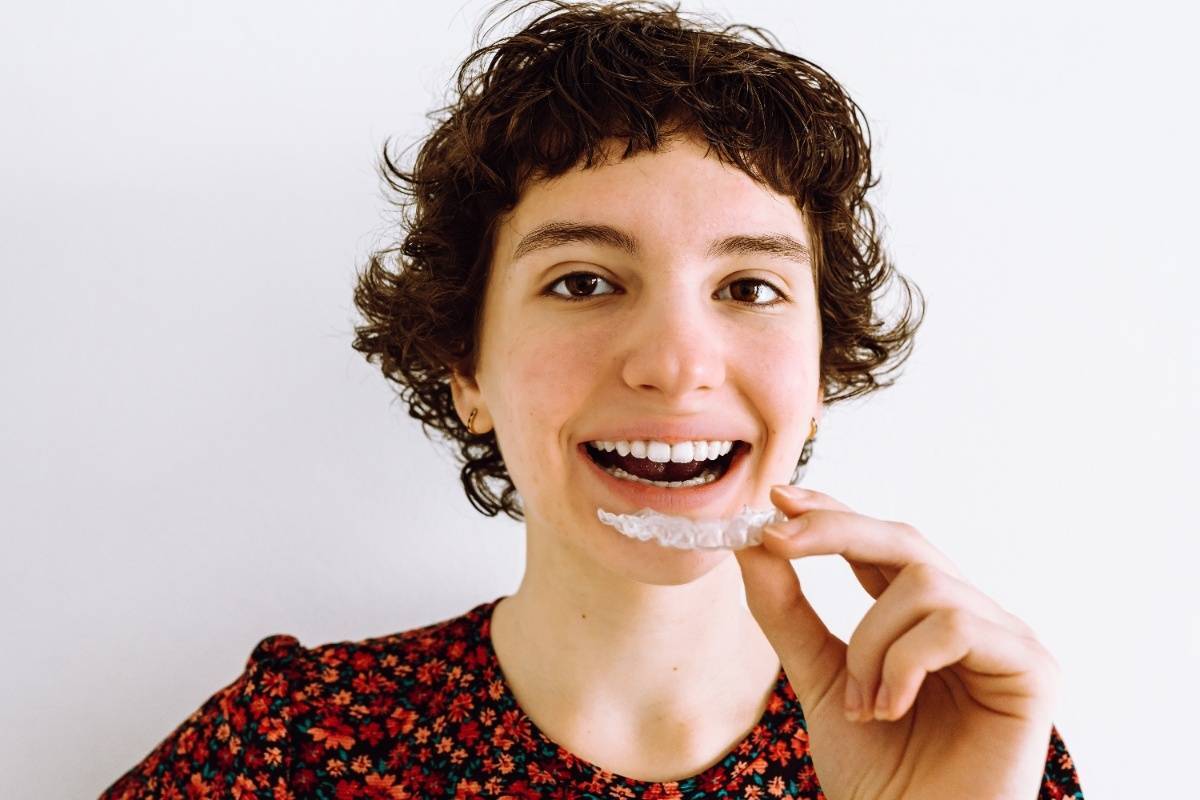
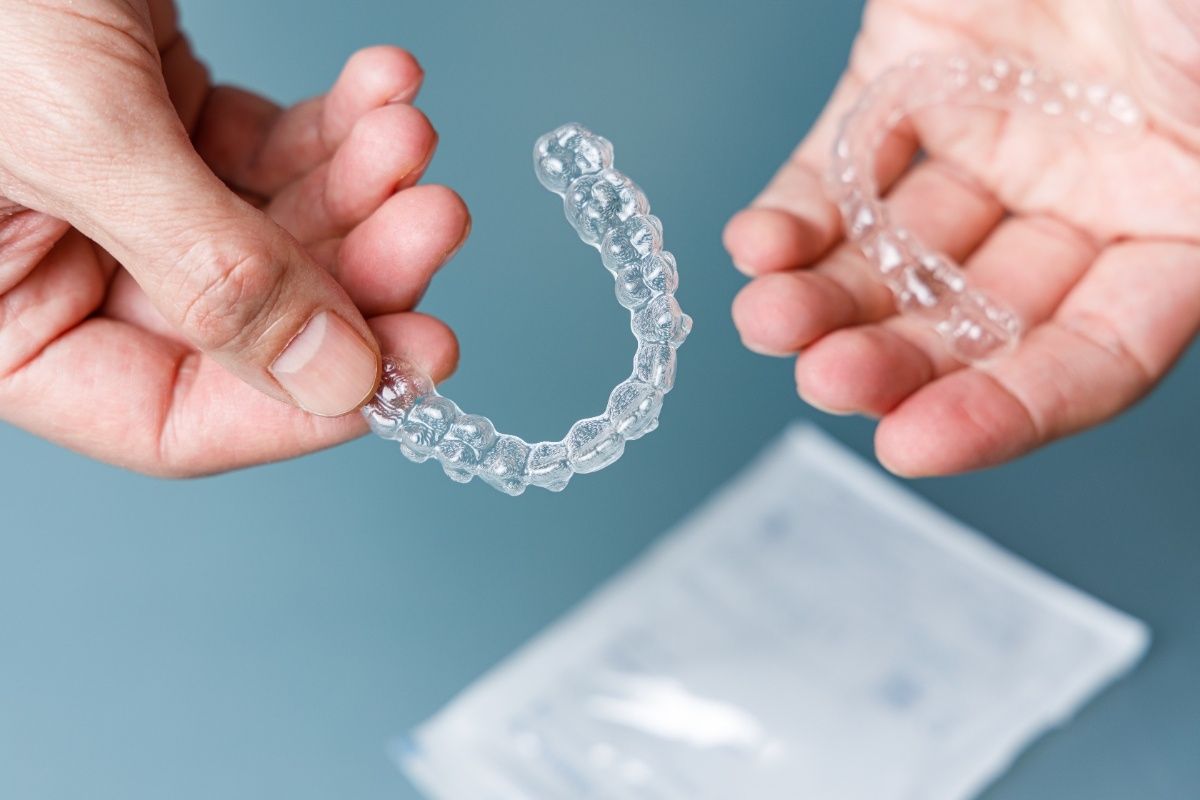
Invisalign clear aligners are a popular option for teens who prefer a nearly invisible solution. They are removable and allow for easier oral hygiene.
Traditional braces remain highly effective, especially for more complex cases. Many teens now choose ceramic braces, which blend more naturally with the teeth and offer a less noticeable appearance compared to metal brackets.
In fact, families exploring options like orthodontics for teens in Broken Arrow, OK often appreciate having both choices available, allowing treatment to be tailored to each teen’s needs and preferences.
How Orthodontic Issues Can Impact Daily Life
Orthodontic concerns go beyond aesthetics. Misaligned teeth can:
- Increase the risk of tooth decay and gum disease
- Affect speech clarity
- Cause uneven wear on teeth
- Lead to jaw discomfort or headaches
Addressing these issues early can support long-term oral health and overall well-being.
When Should You Schedule an Evaluation?
If you notice any of the signs mentioned above, it’s a good idea to schedule an orthodontic consultation. Even if everything seems fine, a professional evaluation can provide peace of mind.
Orthodontists use advanced imaging and assessments to determine whether treatment is needed and when to begin.
Trending FAQs
Here are some frequently asked questions parents often search for:
- At what age should a teen see an orthodontist?
Around age 12–14, when most permanent teeth are in place. - How do I know if my child needs braces?
Look for crowding, gaps, or bite issues. A professional exam confirms it. - Can clear aligners work for teens?
Yes, they are effective for mild to moderate alignment issues. - Are orthodontic problems genetic?
Often yes. Family history can play a role in alignment issues. - Do bite problems fix themselves over time?
Usually not. Most require orthodontic intervention.
Key Indicators at a Glance
| Sign | What It May Indicate |
|---|---|
| Crowded teeth | Lack of space in jaw |
| Gaps between teeth | Alignment or growth imbalance |
| Difficulty chewing | Bite misalignment |
| Jaw pain or clicking | Jaw or bite issues |
| Mouth breathing | Possible jaw development issue |
Supporting Your Teen Through the Process
Teenagers may feel self-conscious about orthodontic treatment. Open conversations can help them understand the benefits and feel more confident about the process.
Encourage your teen to view treatment as an investment in their health and confidence. Options like clear aligners and subtle bracket systems make the experience more comfortable and less noticeable than ever before.
If you are searching for a orthodontist near you, choosing a provider who understands teen-specific needs can make a significant difference in the overall experience.
Recognizing the signs early can make a meaningful difference in your teen’s oral health journey. From bite concerns to spacing issues, timely orthodontic care helps create a healthier, more confident smile that lasts into adulthood. If you’ve noticed any of these signs, scheduling a professional evaluation is a smart next step—book an appointment and get personalized guidance for your teen’s smile.