Clear aligners have changed how people approach orthodontic care. They offer a discreet way to straighten teeth without the look of metal braces. Many wonder if these aligners can tackle tougher dental issues. This post explores that question. It covers how they function, their strengths, and real-world results. You’ll gain insights to decide if they fit your needs.
Understanding Clear Aligners
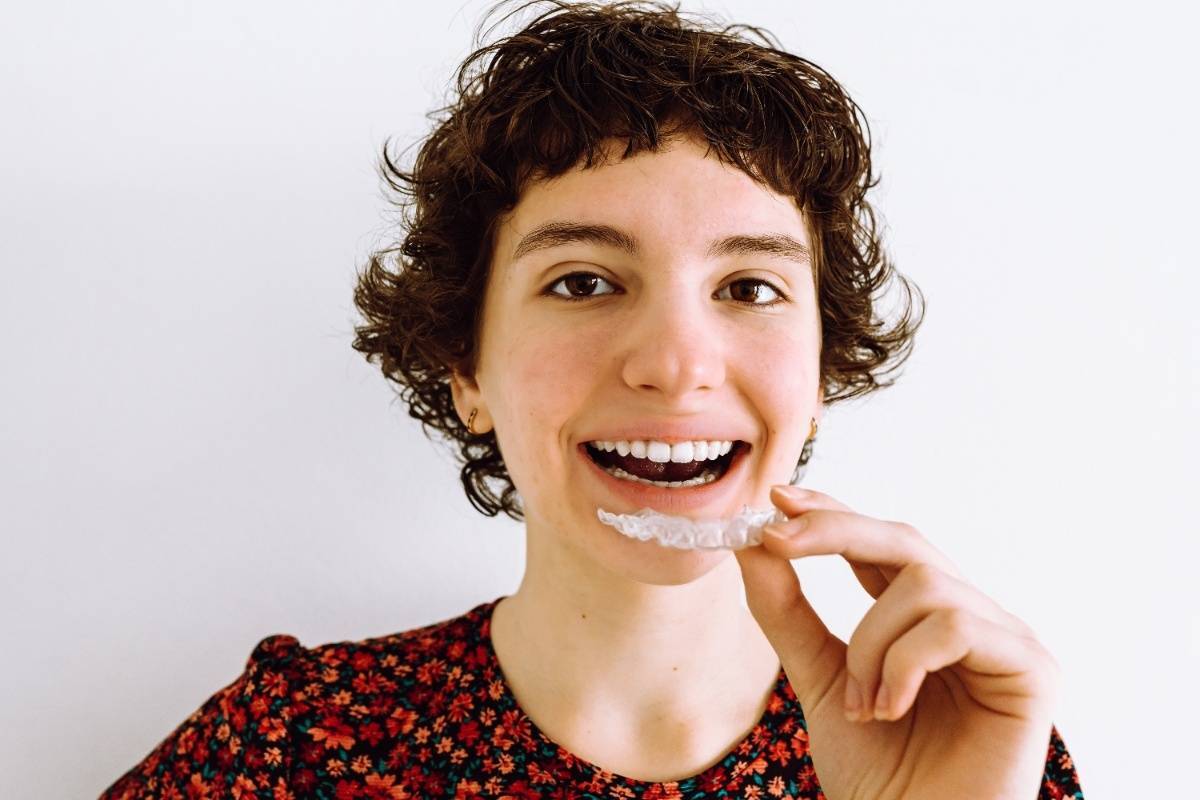
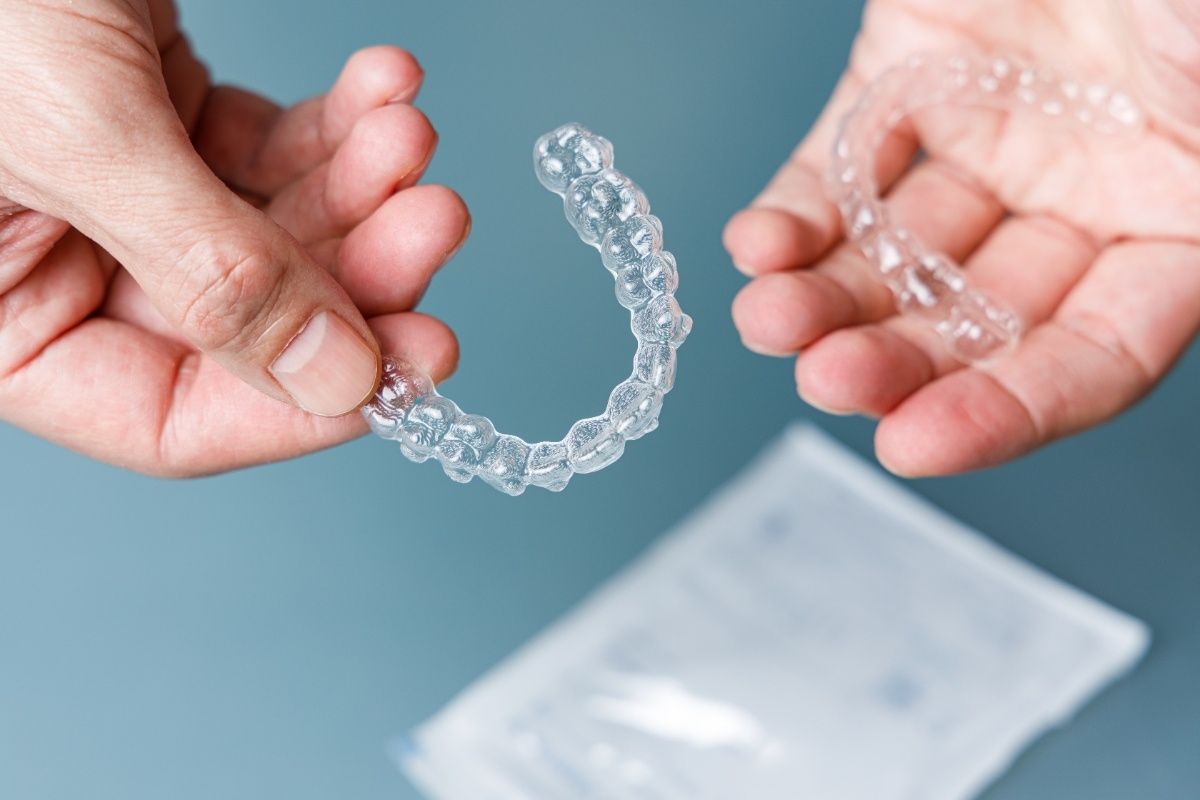
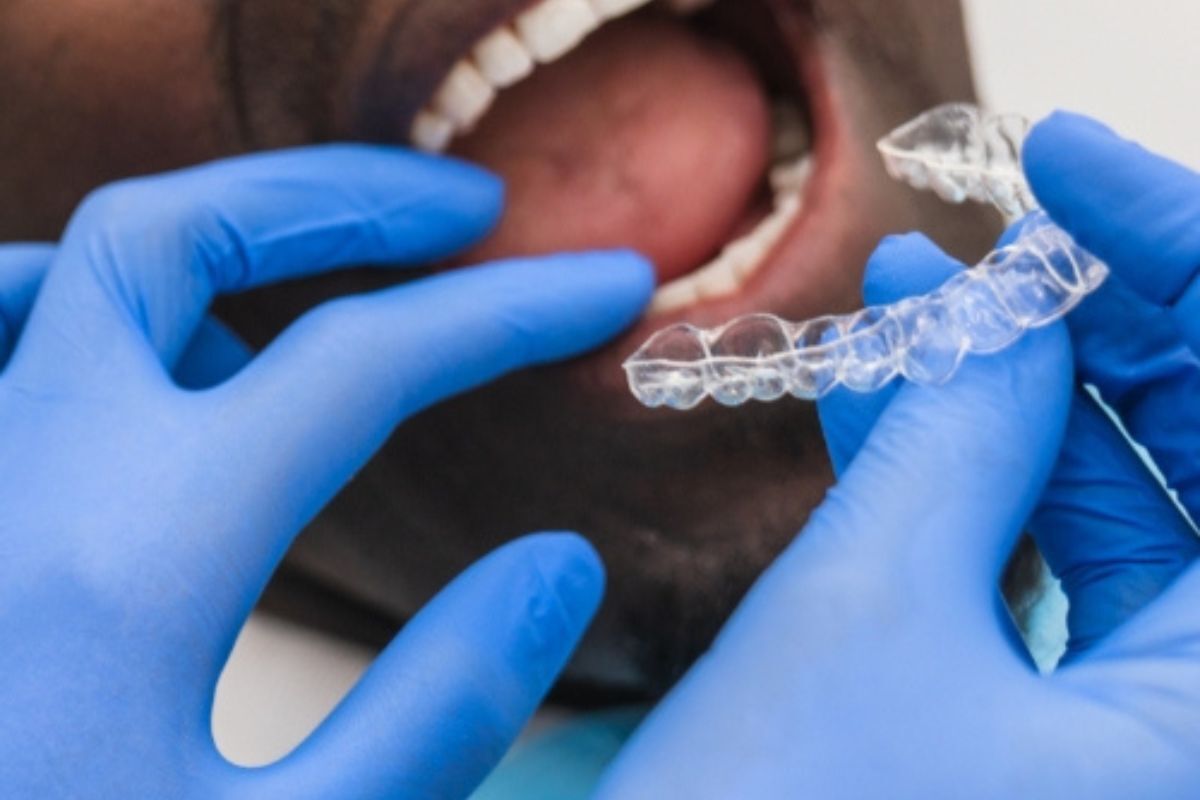
Clear aligners are custom plastic trays. They fit over your teeth snugly. Each set shifts teeth gradually. You switch trays every few weeks. Treatment uses digital scans for precision. This creates a step-by-step plan. Aligners are removable for eating and cleaning. They suit busy lifestyles. Patients wear them 20-22 hours daily. Compliance drives success.
What Makes a Case Complex?
Complex cases involve more than minor gaps. Severe crowding happens when teeth overlap tightly. Overbites occur when the upper teeth cover the lower ones too much. Underbites mean lower teeth jut forward. Crossbites misalign side teeth. Open bites leave gaps when jaws close. These issues affect chewing and speech. They may cause jaw pain. Orthodontists assess bite and alignment. Complexity depends on the movement needed.
Advances in Clear Aligner Technology
Technology has improved clear aligners greatly. 3D imaging maps teeth accurately. Software predicts movements. Attachments are small bumps on teeth. They guide trays better. Elastics help with bite corrections. Smart materials make trays more effective. These tools handle rotations and extrusions. Studies show that aligners effectively treat moderate crowding. They fix many bite problems. Expert planning is essential.
In areas with access to skilled providers, options like clear aligners in Broken Arrow, OK, stand out for their tailored approach.
Success Stories and Evidence
Many patients see great results with complex issues. Crowded teeth straighten over time. Bites align properly. Smiles transform. Research backs this up. One review found aligners effective for mild to moderate malocclusions. Patient stories highlight comfort. No wires irritate mouths. Treatment times vary. Most last 12-18 months. Regular check-ins track progress. Adjustments keep plans on course.
| Complex Issue | Treatable with Clear Aligners? | Key Notes |
|---|---|---|
| Severe Crowding | Yes | Uses attachments for precise shifts. |
| Overbite | Yes, mild to moderate | Elastics aid jaw alignment. |
| Underbite | Yes, in select cases | Combines with other tools if needed. |
| Crossbite | Yes | Targets side movements effectively. |
| Open Bite | Limited | Best for less severe gaps. |
When Clear Aligners Might Not Be Enough
Not every case suits aligners alone. Severe jaw misalignments may need more. Bone structure issues require evaluation. In such scenarios, traditional braces offer a stronger force. Hybrid approaches combine methods. Consultations reveal limits. Honesty from providers matters. They explain alternatives clearly. This builds trust.
If you are searching for an orthodontist near Broken Arrow, OK, personalized assessments help clarify options.
Choosing the Right Provider
Experience counts in complex treatments. Look for certified specialists. They handle diverse cases. Reviews show past successes. In-person visits allow questions. Providers use advanced tools. They monitor closely. This ensures adjustments. Good communication eases concerns. Patients feel supported.
Trending FAQs on Clear Aligners for Complex Cases
Here are some frequently asked questions based on common searches. They address key concerns.
- Can clear aligners fix severe overbites? Yes, for mild to moderate overbites. Attachments and elastics help shift jaws. Severe cases might need extra support.
- Are clear aligners effective for crowded teeth? Absolutely. They gradually create space. Digital planning targets overlaps. Results depend on wearing them consistently.
- How do clear aligners compare to braces for complex issues? Aligners work well for many. Braces handle extreme movements better. Both achieve goals with proper use.
- What are the limitations of clear aligners in tough cases? They struggle with major jaw rotations or surgery needs. Consultations pinpoint suitability.
- How long does treatment take for complex alignments? Typically 12-24 months. Factors include issue severity and adherence.
These answers come from reliable orthodontic insights. They help set expectations.
Ready to explore your options? Let’s discuss how clear aligners could fit your smile goals in a relaxed chat.
We’ve covered the capabilities of clear aligners. They shine in many complex scenarios. Technology keeps evolving. Patients gain confidence.
Clear aligners empower better smiles. They blend convenience with results. Consider a consultation. Ready to get started? Schedule your appointment today. Your journey awaits.