As a parent, noticing your child struggle with speech can be worrying. You want to support their growth in every way. Early orthodontics might play a key role here. This approach focuses on guiding jaw and tooth development from a young age. It addresses issues that could impact how kids form words. Many families find relief through timely care. Let’s explore how this works and why it matters.
Understanding Speech Difficulties in Children
Speech challenges often stem from physical factors. Misaligned teeth or jaws can disrupt tongue movement. This leads to lisps or unclear sounds. Kids might have trouble with letters like “s” or “th.” Early signs include delayed talking or frustration during communication. Parents notice these around ages 3 to 5. Dental structure plays a part in about 61% of cases with speech disorders. That’s higher than the 29% in kids with normal speech. Addressing this early helps build confidence.
How Early Orthodontics Addresses These Issues
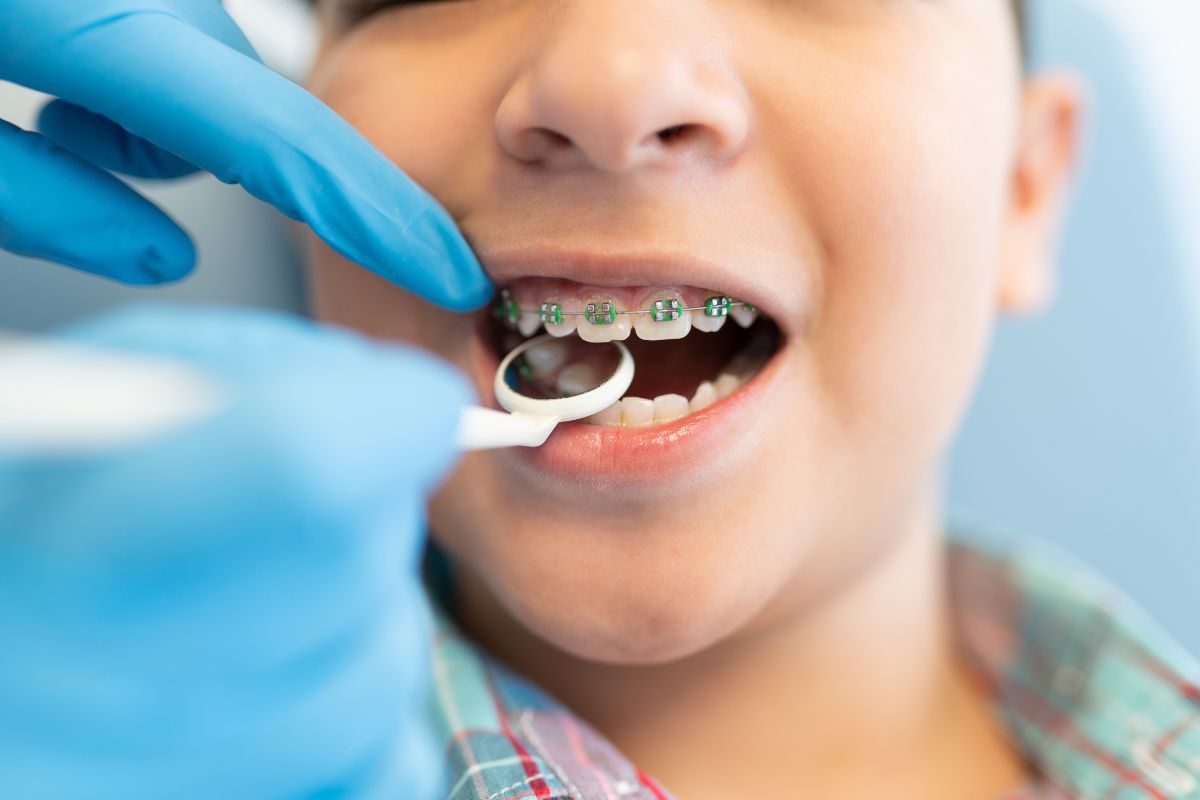
Early orthodontics starts around age 7. At this stage, kids have mixed baby and permanent teeth. Orthodontists spot problems like overbites or crossbites. These can block proper speech. Treatment uses appliances to guide growth. It creates space for teeth and aligns jaws. This improves tongue placement. As a result, sounds become clearer. Studies show kids with corrected bites speak better. Pairing this with speech therapy boosts outcomes. It’s not just about looks—it’s functional help.
Common Causes Linking Orthodontics and Speech
Bite issues top the list. An open bite keeps front teeth apart, affecting chewing and talking. Underbites push the lower jaw forward, muddling words. Crowding forces teeth to overlap, limiting tongue space. Mouth breathing from narrow jaws adds to problems. Thumb sucking past age 5 worsens alignment. Genetics play a role too. If family history includes these, early checks matter. Spotting them prevents bigger issues later.
In Broken Arrow, families seek orthodontic treatment for children to tackle these early. Local experts use advanced tools for precise care. This ensures kids get tailored plans.
Benefits of Starting Orthodontic Care Young
Starting young guides natural growth. Jaws are still soft and responsive. This reduces need for intense fixes later. Kids gain better speech patterns. They chew easier and breathe better. Confidence soars with clearer communication. Peers understand them without repeats. Long-term, it cuts risks of jaw pain or uneven wear. About half of kids need such care for bite problems. Early steps make a big difference.
When to Seek an Evaluation for Your Child
Watch for key signs. Protruding teeth or uneven bites signal trouble. If chewing hurts or speech lags, act. Mouth breathing at night is another clue. The American Association of Orthodontists suggests checks by age 7. This catches issues early. A simple exam reveals if action is needed. No harm in early visits—they’re often free consultations.
Trending FAQs on Early Orthodontics and Speech Difficulties
Many parents have similar questions about this topic. Based on common searches, here are some trending FAQs with answers:
- At what age should my child first see an orthodontist? Experts recommend an initial evaluation by age 7 to spot developing issues, even if treatment starts later.
- Can orthodontic treatment fix speech problems in children? Yes, by correcting misalignments that affect tongue movement, it often improves clarity, especially when combined with speech therapy.
- What are signs my child might need early orthodontics for speech issues? Look for lisps, difficulty pronouncing certain sounds, mouth breathing, or crowded teeth that could impact speech development.
- How does early orthodontics help with jaw growth and speech? It guides jaw alignment during growth phases, creating better space for teeth and tongue, which supports clearer articulation.
- Is early orthodontic treatment always necessary for speech difficulties? Not always, but if dental structure contributes, early intervention prevents worsening and aids overall development.
These address top concerns from online queries.
Statistics on Orthodontics and Speech in Children
Here’s a quick table with key stats to highlight the connection:
| Statistic | Percentage | Source Insight |
|---|---|---|
| Children with speech disorders having malocclusions | 61% | Compared to 29% in typical speech kids |
| Prevalence of speech sound disorders in children | 2-13% | Often linked to dental issues |
| Kids needing braces for functional bite problems | Nearly 50% | Improves chewing, speech, and alignment |
| Risk increase of malocclusion in speech-disordered kids | 2.22 times | Higher than peers without issues |
These numbers show why early care is vital.
Combining Orthodontics with Other Therapies
Orthodontics shines when teamed with speech therapy. Therapists work on sounds while aligners fix structure. This duo tackles root causes. Kids progress faster. Parents report smoother school experiences. No more teasing about unclear words. It’s a holistic path. Regular check-ins ensure everything aligns.
Preparing Your Child for Orthodontic Treatment
Ease into it. Explain in simple terms. Show fun videos of kids with braces. Choose comfy options like clear aligners. Keep routines positive. Praise small wins. This builds excitement. Treatment lasts 6 to 18 months for early phases. Results last a lifetime.
If you are searching for an orthodontist near you, local options in Broken Arrow offer expert guidance. They focus on child-friendly approaches.
Early steps lead to big smiles. Your child’s voice deserves to be heard clearly.
Parents hold the key to bright futures. By acting on speech concerns through orthodontics, you give lasting gifts. Clear words open doors. Confidence grows. Seek advice today—your child will thank you.