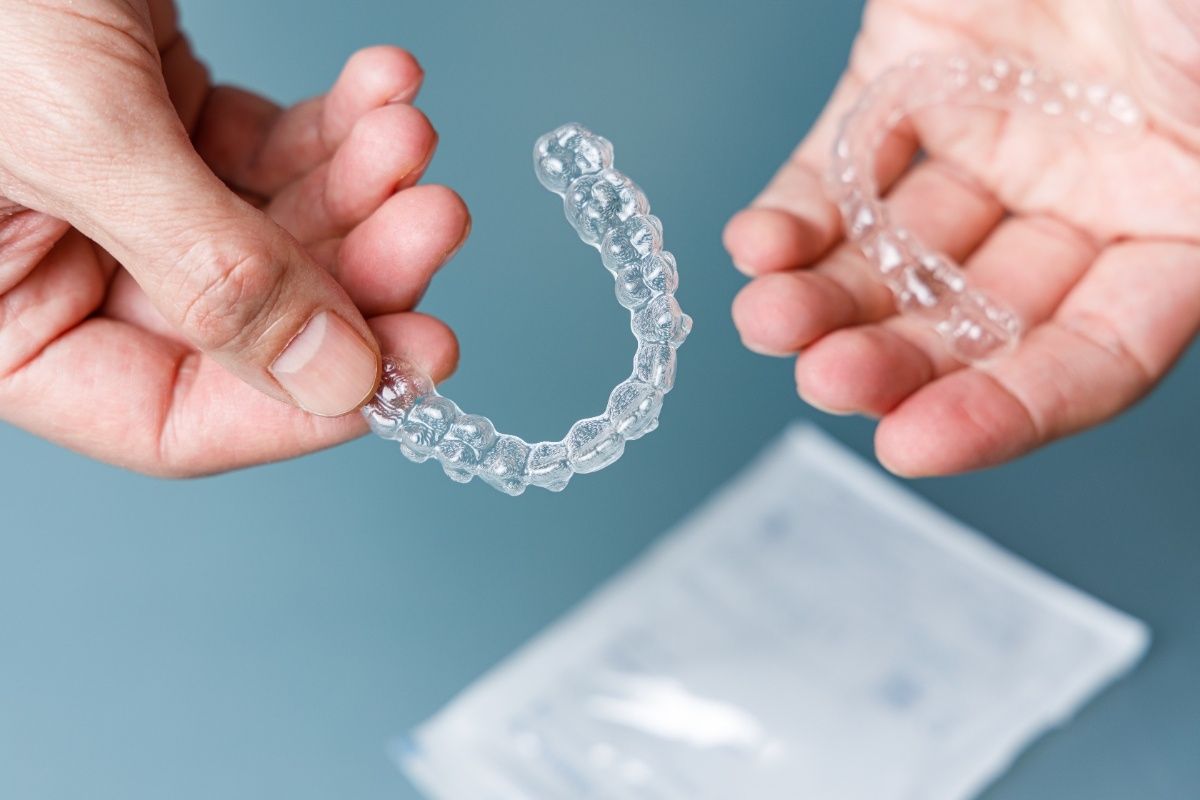
If you’re considering straightening your teeth, you might be wondering about the potential risks, especially when it comes to your jaw health. Temporomandibular joint (TMJ) disorders can cause discomfort, from jaw pain to headaches, and it’s natural to question whether clear aligners could contribute to these issues. This blog dives into the relationship between clear aligners and TMJ disorders, offering insights to help you make informed decisions about your orthodontic journey.
Understanding TMJ Disorders
The temporomandibular joint connects your jaw to your skull, enabling movements like chewing and speaking. TMJ disorders (TMD) encompass a range of conditions causing pain, clicking, or limited jaw movement. Common causes include teeth misalignment, bruxism (teeth grinding), stress, or jaw injuries. Symptoms often include jaw soreness, headaches, or a popping sound when opening your mouth.
How Clear Aligners Work
Clear aligners are removable, transparent trays designed to gradually shift teeth into proper alignment. Unlike traditional braces, they offer a discreet and flexible option for straightening teeth. They apply controlled forces to move teeth, addressing issues like overbites, underbites, or crowding. Their removable nature allows for easier eating and oral hygiene, making them a popular choice for many.
Can Clear Aligners Cause TMJ Disorders?
A common concern is whether clear aligners in Broken Arrow, OK, could lead to TMJ disorders. The short answer is: it depends on the individual case. Misaligned teeth or a poor bite (malocclusion) can strain the TMJ, potentially worsening existing issues. However, clear aligners are designed to correct these misalignments, which can reduce stress on the jaw joint. For some, aligners may even alleviate TMJ symptoms by improving bite alignment.
That said, improper use or poorly fitted aligners could cause temporary discomfort. If aligners are not worn as prescribed (typically 20-22 hours daily), uneven pressure on the teeth might stress the jaw. Additionally, if the treatment plan doesn’t account for pre-existing TMJ issues, symptoms could persist or worsen. Consulting a skilled professional ensures that aligners are tailored to your needs, minimizing risks.
Can Clear Aligners Help with TMJ Disorders?
Interestingly, clear aligners can sometimes help manage TMJ disorders. By correcting misaligned teeth, they reduce strain on the jaw joint, potentially easing pain or clicking. For example, aligners can address malocclusion, a common contributor to TMJ issues. They also act as a barrier against bruxism, protecting teeth from grinding and reducing jaw muscle tension.
However, aligners aren’t a universal fix. If TMJ issues stem from arthritis, trauma, or severe joint damage, aligners alone may not suffice. A thorough evaluation by a local orthodontist is crucial to determine if aligners can address your specific condition. Combining aligners with other treatments, like physical therapy or stress management, often yields the best results.
Factors That Influence TMJ Outcomes with Clear Aligners
Several factors determine whether clear aligners will positively or negatively affect TMJ health:
- Pre-existing Conditions: If you already have TMJ issues, disclose them during your consultation. A customized treatment plan can address both alignment and jaw health.
- Proper Fit and Compliance: Wearing aligners as directed ensures even pressure distribution, reducing the risk of jaw strain.
- Professional Oversight: Regular check-ins with a qualified orthodontist ensure the treatment progresses smoothly, with adjustments made as needed.
- Lifestyle Factors: Stress-related clenching or poor posture can exacerbate TMJ symptoms, regardless of aligner use.
Trending FAQs on Clear Aligners and TMJ Disorders
Here are answers to some frequently asked questions about clear aligners and their impact on TMJ disorders, based on common online searches:
- Can clear aligners fix jaw popping? Aligners may reduce jaw popping caused by misaligned teeth by improving bite alignment and easing TMJ strain. Consult a professional to confirm if aligners are suitable for your case.
- Do clear aligners cause jaw pain? When used correctly, aligners typically don’t cause jaw pain. Temporary discomfort may occur as teeth shift, but persistent pain should be evaluated by an orthodontist.
- Are clear aligners better than braces for TMJ? Both can be effective, but aligners offer comfort and removability, which may benefit TMJ patients sensitive to added pressure. The best option depends on the severity of misalignment.
- How do I know if aligners will help my TMJ? A comprehensive jaw and bite evaluation by an orthodontist is essential to determine if aligners can address your specific TMJ symptoms.
Comparing Clear Aligners and Braces for TMJ Treatment
| Treatment Option | Benefits for TMJ | Considerations |
|---|---|---|
| Clear Aligners | Discreet, removable, reduces grinding, corrects mild-to-moderate misalignments | May not suit severe TMJ cases; requires compliance |
| Traditional Braces | Precise control for complex misalignments, effective for severe cases | Visible, fixed, may cause initial discomfort |
| Custom Appliances | Targets specific TMJ issues, relaxes jaw muscles | Often used alongside aligners or braces |
This table highlights that clear aligners are a viable option for mild-to-moderate TMJ cases caused by misalignment, but braces or custom appliances may be better for complex issues.
Tips to Minimize TMJ Risks During Aligner Treatment
To ensure a positive experience with clear aligners, follow these actionable tips:
- Choose a Qualified Orthodontist: Work with a professional who conducts a thorough jaw and bite assessment before starting treatment.
- Follow Wear Instructions: Wear aligners for the recommended 20-22 hours daily to avoid uneven pressure on your teeth and jaw.
- Monitor Symptoms: Report any new or worsening jaw pain to your orthodontist promptly for adjustments.
- Practice Stress Management: Techniques like meditation or yoga can reduce clenching, which aggravates TMJ issues.
- Combine Treatments if Needed: For complex TMJ cases, pair aligners with physical therapy or bite splints for optimal relief.
The Importance of Professional Guidance
Starting aligner treatment without a proper evaluation can lead to complications, especially if you have underlying TMJ issues. A skilled orthodontist will use diagnostic tools like 3D scans or jaw tracking to create a personalized plan. Regular check-ups ensure the aligners fit correctly and address any discomfort early. This professional oversight is key to preventing or managing TMJ-related concerns.
What to Expect During Treatment
When starting clear aligners, expect some initial soreness as your teeth and jaw adjust. This is normal and usually subsides within a few days. As treatment progresses, you may notice improved jaw function and reduced TMJ symptoms if misalignment was a contributing factor. Regular visits to your orthodontist will keep your treatment on track, ensuring both a straighter smile and a healthier jaw.
Exploring options for a straighter smile shouldn’t come with worries about jaw health. Clear aligners can be a safe and effective choice for many, potentially even improving TMJ symptoms by correcting bite issues. However, success hinges on professional guidance and proper use. If you are searching for an “orthodontist near me” to discuss clear aligners and TMJ concerns, schedule a consultation today by calling 918-280-8985. A tailored approach can help you achieve a confident smile and lasting jaw comfort.