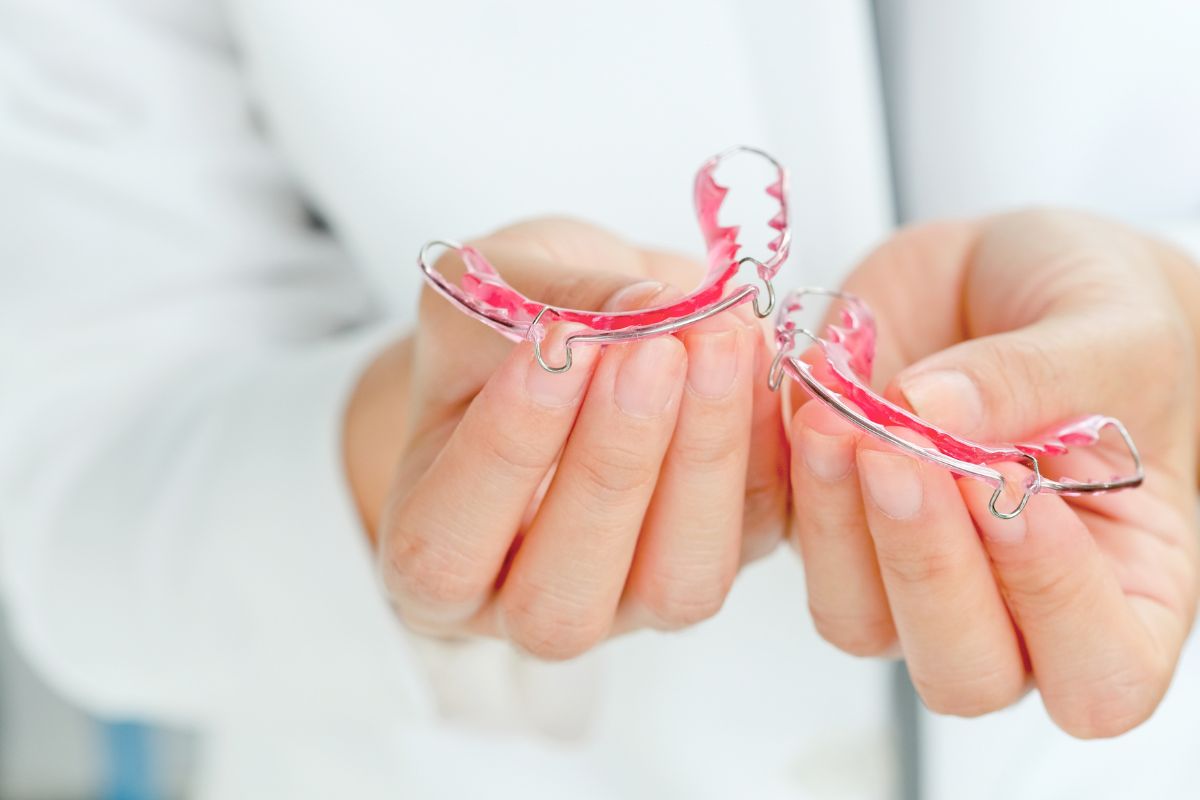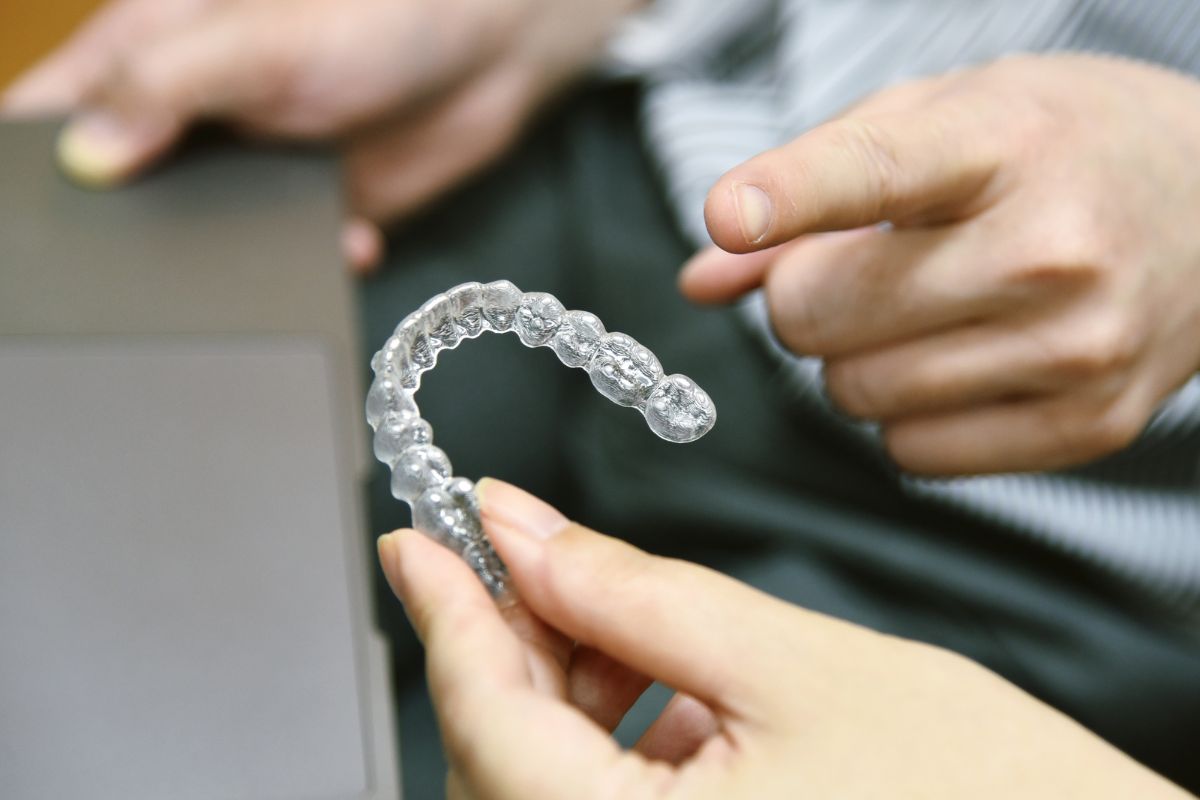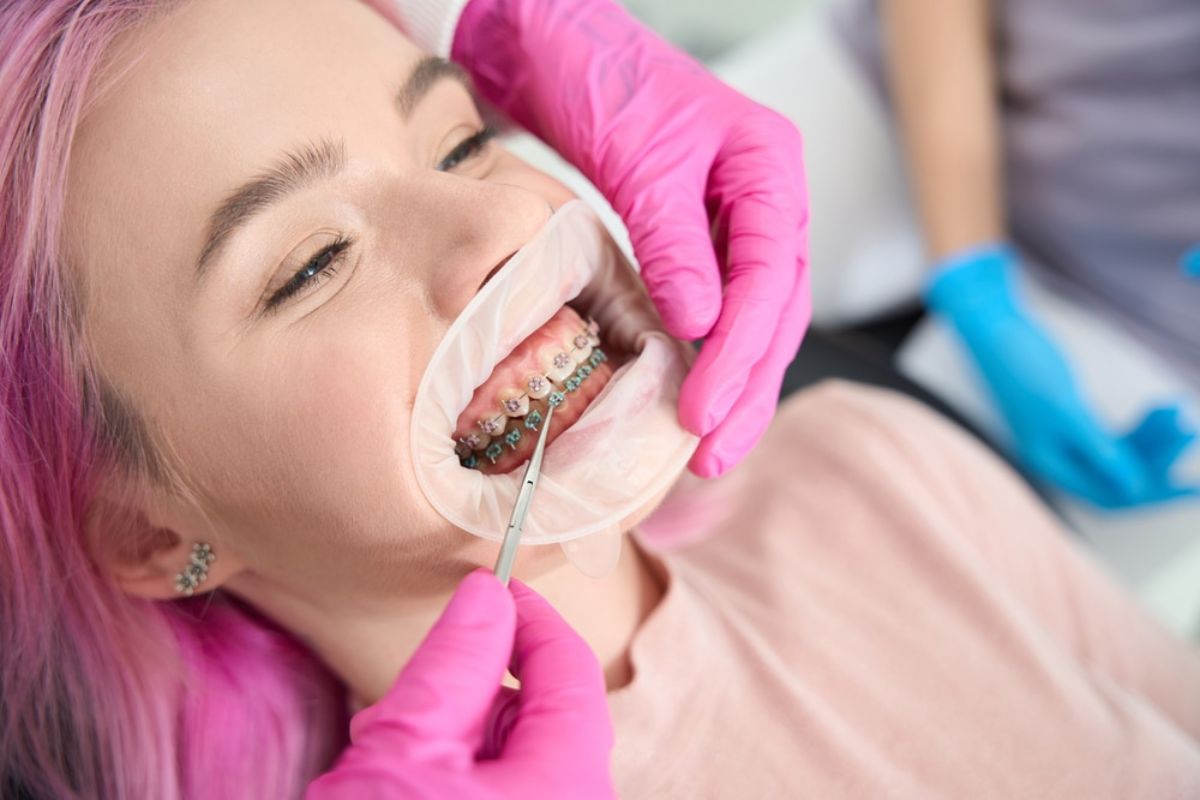
Braces and aligners do an incredible job of straightening teeth and improving smiles, but they also require care and attention. Unexpected issues like broken brackets, poking wires, or damaged aligners can be uncomfortable and even delay treatment. While some emergencies are unavoidable, many can be prevented with the right habits. Let’s explore practical ways to keep your orthodontic treatment on track and avoid unnecessary setbacks.
Be Mindful of What You Eat
One of the most common causes of orthodontic emergencies in Broken Arrow is eating foods that are too hard, sticky, or chewy. Certain foods can break brackets, bend wires, or damage aligners, leading to discomfort and extra visits to the orthodontist.
Foods to Avoid with Braces:
- Hard candies and ice cubes (can crack brackets and wires)
- Sticky sweets like caramel or gum (can pull brackets loose)
- Crunchy foods like popcorn and nuts (can get stuck in braces)
- Chewy foods like bagels and tough meats (can strain brackets and wires)
If you have clear aligners, remove them before eating to prevent damage and staining. Opt for soft foods whenever possible, especially in the first few days after an adjustment.
Follow Proper Oral Hygiene Habits
Good oral hygiene is essential for preventing gum disease, cavities, and infections, which can complicate orthodontic treatment. Braces create extra places for plaque and bacteria to accumulate, so extra care is needed.
Tips for Keeping Your Teeth and Braces Clean:
- Brush after every meal using a soft-bristled toothbrush and fluoride toothpaste.
- Floss daily with orthodontic floss or a water flosser to remove food particles.
- Use an antibacterial mouthwash to reduce bacteria and prevent gum inflammation.
- Clean aligners regularly with mild soap and lukewarm water (never hot water).
Maintaining good oral hygiene helps prevent painful issues that could slow down your progress.
Wear a Mouthguard for Sports and Activities
Playing sports or engaging in high-impact activities without protection can lead to serious orthodontic emergencies. A sudden blow to the mouth can break brackets, bend wires, or even knock out teeth.
How a Mouthguard Protects Your Smile:
- It absorbs shocks from falls, hits, or collisions.
- It prevents cuts inside the mouth from braces or wires.
- It reduces the risk of teeth shifting due to unexpected force.
If you participate in contact sports like football, basketball, or hockey, ask your orthodontist about a custom-fitted mouthguard to keep your smile safe.
Avoid Bad Habits That Can Damage Braces or Aligners
Some unconscious habits can put unnecessary stress on your orthodontic appliances, leading to damage. Being mindful of these habits can help prevent emergencies.
Habits to Avoid:
- Nail-biting (can bend wires or loosen brackets)
- Chewing on pens or pencils (puts pressure on braces and teeth)
- Using teeth as tools (opening packages can cause brackets to break)
- Skipping retainer wear (can lead to shifting and undo orthodontic progress)
Breaking these habits early will protect both your braces and your overall oral health.
Attend Regular Orthodontic Check-Ups
Routine orthodontic appointments allow your doctor to check for any potential issues before they become emergencies. These visits ensure that brackets, wires, and aligners are working correctly and that your treatment is progressing as planned.
Why Regular Appointments Matter:
- They help detect and fix minor issues before they worsen.
- They allow adjustments to be made for comfort and efficiency.
- They ensure your teeth are shifting properly and on schedule.
If you experience discomfort or notice something unusual, don’t wait for your next appointment—contact your orthodontist for guidance. If you ever experience an orthodontic emergency in Broken Arrow, getting professional care quickly can prevent further complications.
Preventing orthodontic emergencies starts with being proactive about your oral care, daily habits, and lifestyle choices. By following these simple tips—watching what you eat, practicing good hygiene, wearing a mouthguard, avoiding harmful habits, and attending regular check-ups—you can keep your treatment on track and avoid unnecessary discomfort.
If you ever find yourself facing an issue, don’t hesitate to reach out to an orthodontist near you for guidance and support. A little prevention goes a long way in ensuring a smooth and successful orthodontic journey!