Have you ever wondered what happens after those months or years of wearing braces finally come to an end? Your smile looks perfect, but keeping it that way takes a little extra effort. That’s where retainers step in as the unsung heroes of orthodontic care. They ensure all that hard work doesn’t go to waste by maintaining your teeth’s alignment. In this post, we’ll dive into the basics, explain the science behind them, and address those nagging questions that pop up when you’re adjusting to life post-braces. Whether you’re a teen fresh out of treatment or an adult reflecting on your journey, understanding this device can make a big difference in your oral health routine.
What Are Retainers and Why Do You Need Them?
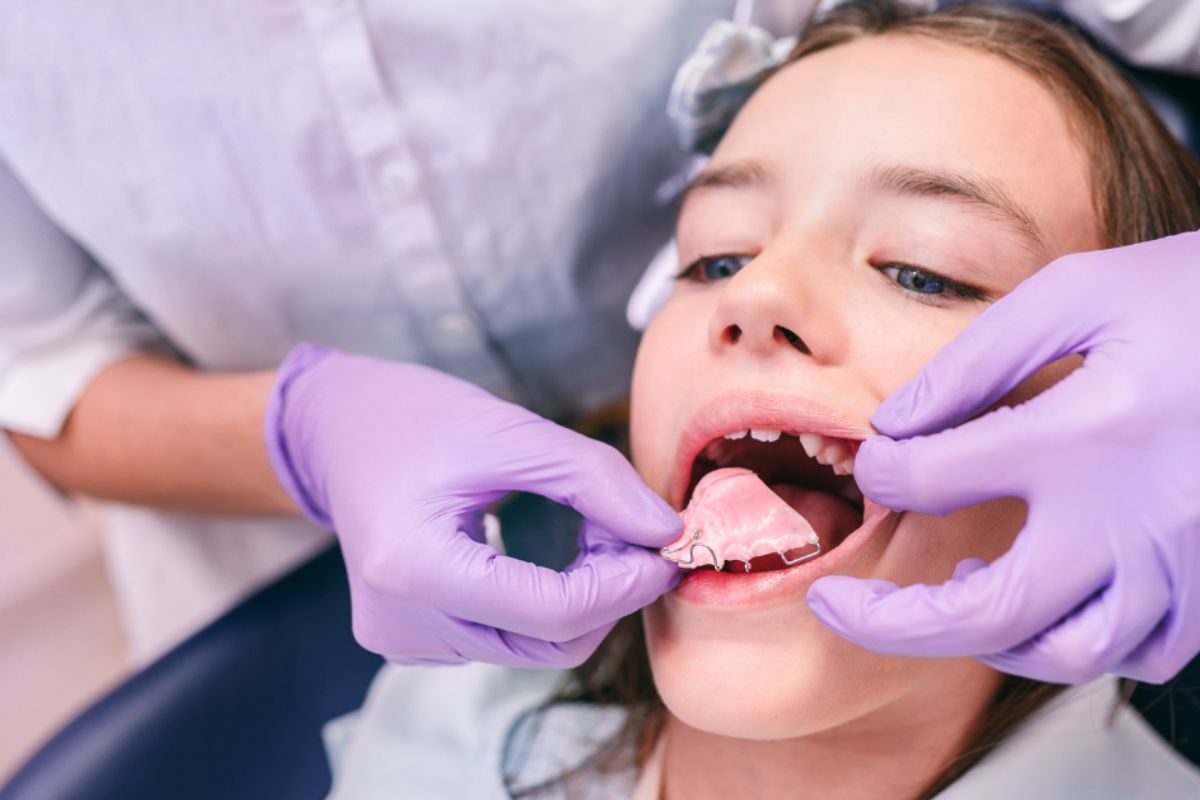
Retainers are custom-made appliances designed to keep your teeth from shifting back to their original spots. After braces or aligners straighten everything out, your mouth needs time to stabilize. Without support, natural forces like chewing or tongue pressure can cause movement. This is common because bones and tissues around your teeth are still adapting.
Think of it like training a muscle—once you stop the workout, it might lose shape without maintenance. Retainers provide that ongoing support, preventing relapse and preserving your investment in a straighter smile. They’re often prescribed right after treatment ends, and sticking to the plan is key for long-term results.
The Science Behind How Retainers Function
Retainers apply gentle, consistent pressure to hold teeth steady. This counters the tendency for them to drift due to periodontal ligaments stretching or bone remodeling. Over time, these structures firm up, but initially, they’re pliable.
When you wear one, it fits snugly over or behind your teeth, acting as a barrier against unwanted shifts. For instance, in the lower front area, crowding can return quickly without intervention. The device ensures alignment stays put while your body adjusts naturally.
Research shows that without them, up to 70% of cases see some relapse within the first year. That’s why orthodontists emphasize compliance—it’s not just about aesthetics but also bite function and overall dental health.
Types of Retainers: Which One Might Be Right for You?
There are a few main options, each with unique features.
Removable Retainers
These include clear plastic ones, like Essix models, which are nearly invisible and easy to take out for eating or cleaning. They’re molded to your teeth for a precise fit.
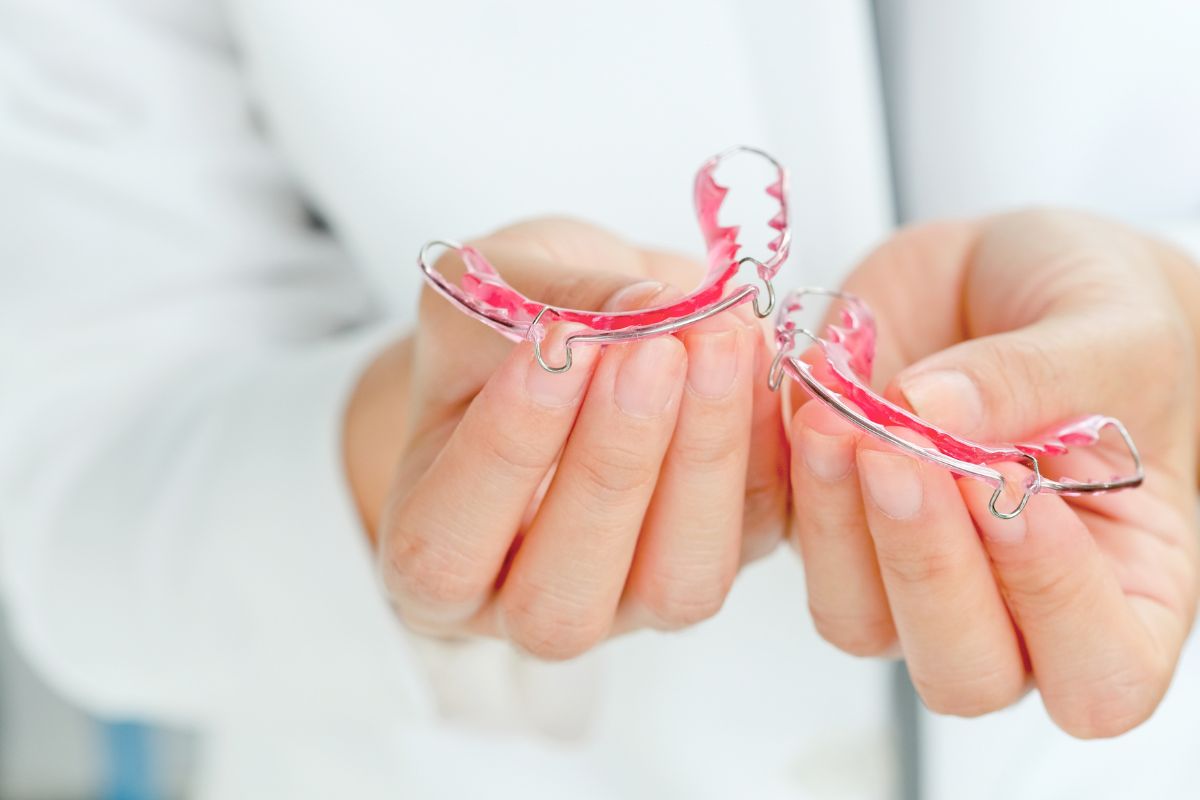
Hawley types feature a wire across the front with an acrylic base. They’re adjustable and durable, often used when minor tweaks are needed post-treatment.
Fixed Retainers
Bonded wires are glued behind the teeth, usually the lower ones, for hands-off maintenance. They’re ideal if you tend to forget removable ones, providing constant hold without daily effort.
Choosing depends on your lifestyle and specific needs. Clear ones suit those wanting discretion, while fixed options offer reliability for busy folks.
The Importance of Consistent Wear for Lasting Results
Skipping wear can lead to shifts, potentially requiring retreatment. Initially, full-time use—about 22 hours a day—is common for the first few months. Then, it often transitions to nighttime only.
Studies indicate that consistent use in the first year boosts success rates to over 90%. This phase allows gums and bones to solidify the new positions. Neglect here, and you might notice gaps or overlaps creeping back.
It’s about building habits. Set reminders or pair it with bedtime routines to make it second nature. Your smile will thank you in the years ahead.
If you’re in the area and need guidance, consider a reliable retainers provider in Broken Arrow, OK, who can tailor advice to your situation.
Caring for Your Retainer: Tips to Keep It Effective
Proper maintenance extends its life and effectiveness. For removable ones, rinse with cool water after each use—avoid hot water to prevent warping.
Clean daily with a soft brush and mild soap; steer clear of toothpaste, as it can scratch surfaces. Store in a case when not in use to avoid loss or damage.
For fixed types, floss threaders help clean around the wire. Regular check-ups ensure it’s intact and functioning well.
Avoid chewing gum or hard foods with them in, and report any discomfort promptly. These steps keep things hygienic and prevent issues like bacterial buildup.
Trending FAQs on Retainers
Many people have similar questions after getting their device. Based on common searches, here are some trending ones with straightforward answers:
- How long do I need to wear a retainer after braces? Typically, full-time for 3-6 months, then nights indefinitely to maintain alignment, as teeth can shift throughout life.
- Do retainers hurt when you first get them? They might feel tight or cause slight soreness initially, like braces, but this usually eases within a few days as your mouth adjusts.
- Can I eat with my retainer in? For removable ones, it’s best to take them out during meals to avoid damage or staining; fixed ones stay in, but stick to soft foods initially.
- What happens if I stop wearing my retainer? Teeth may gradually shift back, leading to crowding or gaps; resuming wear early can often correct minor changes.
- How do I clean my retainer properly? Use lukewarm water and a soft brush daily; soak in retainer cleaner weekly to remove buildup without harsh chemicals.
- Are there alternatives to traditional retainers? Yes, options like clear aligners or bonded wires offer variety, depending on your orthodontist’s recommendation for your case.
These cover the basics that pop up frequently online.
Key Statistics on Retainer Effectiveness
Here’s a quick table summarizing stats from orthodontic studies:
| Aspect | Statistic | Source Insight |
|---|---|---|
| Relapse Without Retainer | Up to 70% in first year | General orthodontic research |
| Success Rate with Use | 88-90% for alignment maintenance | Clinical trials on occlusion |
| Initial Wear Duration | 3-6 months full-time | Common protocol guidelines |
| Long-Term Retention | Indefinite for fixed types | Surveys of orthodontists |
These numbers highlight why following through matters.
Common Concerns and How to Address Them
Some worry about speech changes or discomfort. Lisps often fade as you practice speaking with it in. If irritation persists, adjustments can smooth things out.
Others fear losing it—keep a routine spot for storage. For travel, pack extras if possible.
Nighttime wear might feel odd at first, but it becomes routine. Focus on the benefits: a confident, aligned smile for life.
Finding the Right Support for Your Journey
If you are searching for an orthodontist near you, chatting with a professional can clarify any doubts and ensure your plan fits your lifestyle.
Remember, this phase is about protection, not correction. Stay proactive, and you’ll enjoy the results for years.
In wrapping up, retainers might seem simple, but they’re crucial for locking in that beautiful smile. By understanding their role and committing to care, you set yourself up for success. Embrace this final step—it’s the key to lasting confidence and oral wellness. If questions arise, don’t hesitate to seek expert input; your grin is worth it.