Have you noticed your teeth moving out of place over time? It might stem from a simple habit like the way you swallow. Many people deal with this without realizing it. This post explores whether modern solutions like invisible trays can help realign those shifts. We’ll break down the causes, effects, and steps to a straighter smile. Stick around for practical advice that could make a real difference.
What Is Tongue Thrusting?
Tongue thrusting happens when the tongue presses against the front teeth during swallowing. It’s also called reverse swallowing. Most folks swallow about 2,000 times a day. That’s a lot of pressure if the tongue isn’t in the right spot.
This habit often starts in childhood. It can linger into adulthood if not addressed. Causes include allergies, enlarged tonsils, or thumb-sucking. Some people mouth-breathe, which worsens it. Speech issues like lisps can signal this too.
It’s not just a quirk. Over time, it pushes teeth forward. This creates gaps or an open bite. The upper and lower teeth don’t meet properly. Chewing and speaking can feel off.
Early spotting helps. Watch for the tongue peeking between teeth when talking. Or if lips part at rest. These clues point to the issue.
How Does Tongue Thrusting Impact Your Teeth?
Constant tongue pressure reshapes the dental arch. Front teeth flare out. This leads to protrusion or spacing.
An open bite is common. The front teeth don’t touch when biting down. Back teeth take extra wear. This might cause jaw pain or uneven grinding.
Speech can suffer. Sounds like “s” or “z” come out slurred. It’s frustrating in social settings.
Jaw growth gets affected in kids. Bones adapt to the force. This might mean narrower arches or crossbites.
Adults see relapse after past ortho work. Teeth shift back despite previous fixes.
Here’s some data on how widespread this is:
| Statistic | Details | Source |
|---|---|---|
| Prevalence in Children (6-10 years) | Around 4.9%, decreasing by age 10-12 | MDPI Study |
| Overall Incidence Range | 2.7% to 74% in young kids, higher in those with open bites | NIH Research |
| Success Rate of Correction | 75% in treated cases with good cooperation | Perez Orthodontics |
These numbers show it’s common but treatable. Awareness is key to preventing bigger problems.
Can Clear Aligners Address This Misalignment?
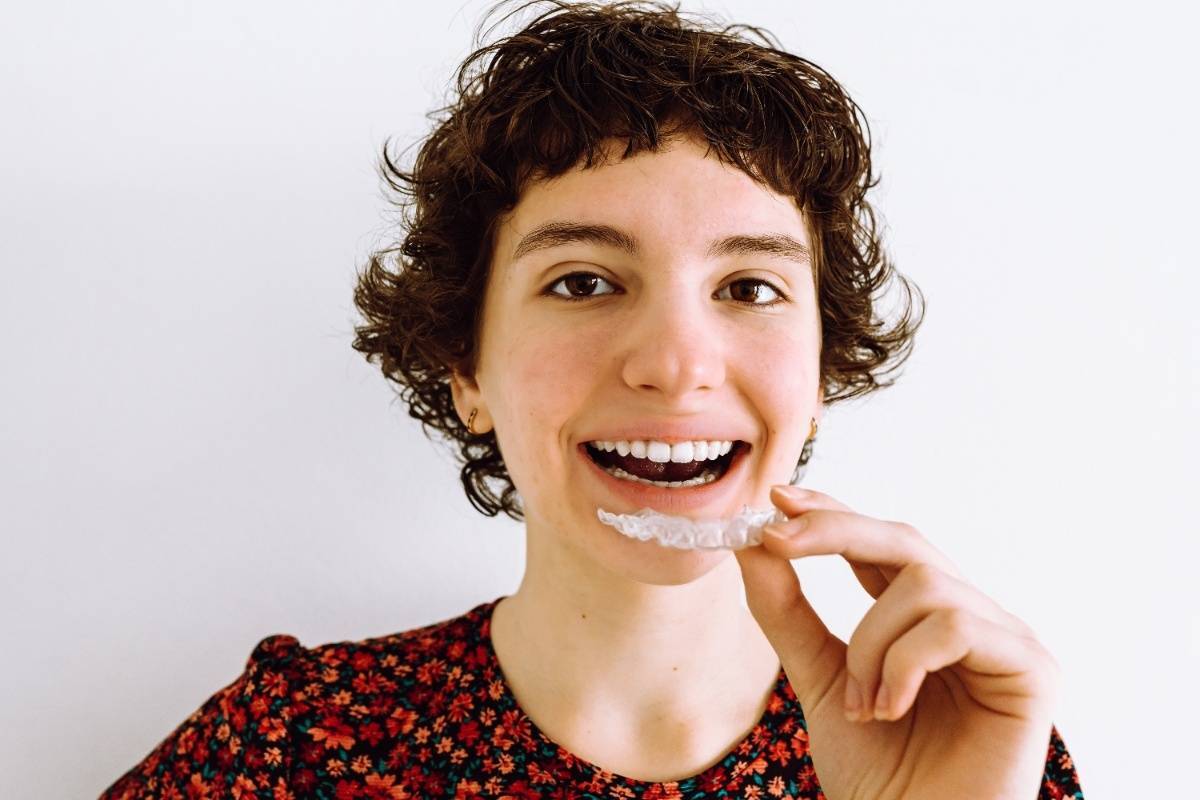
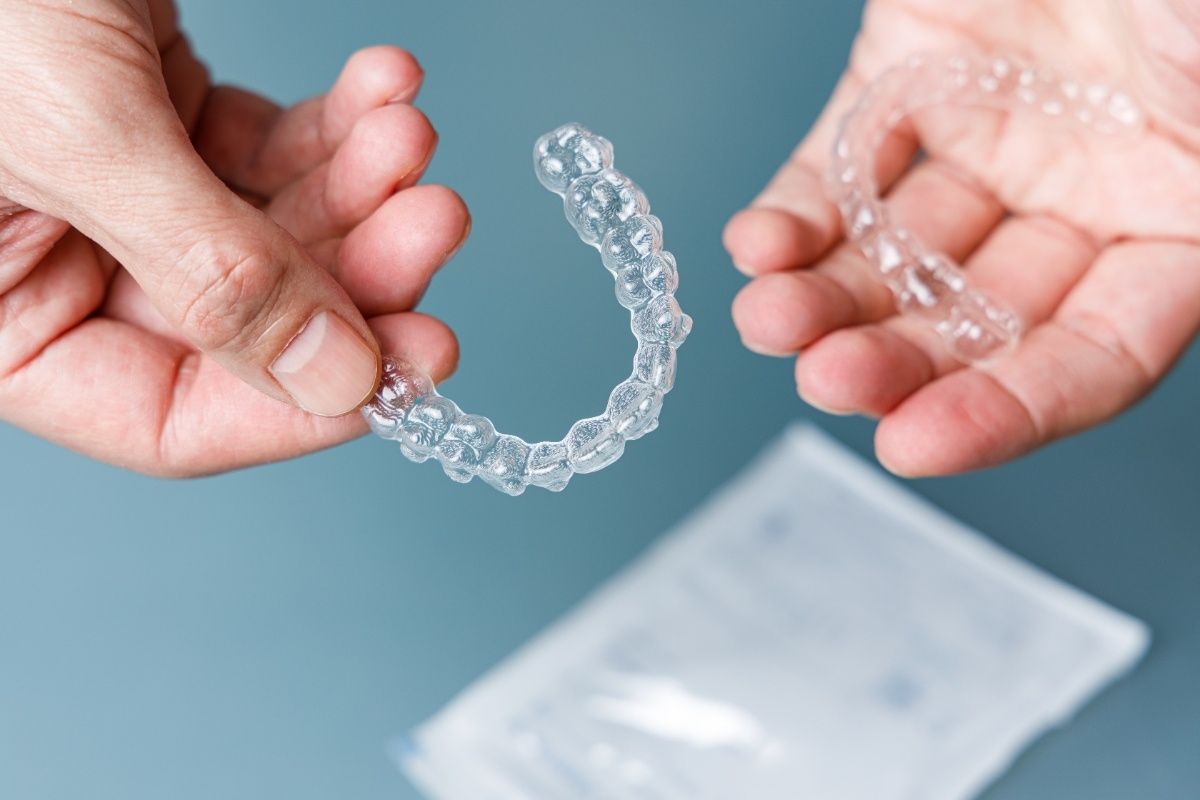
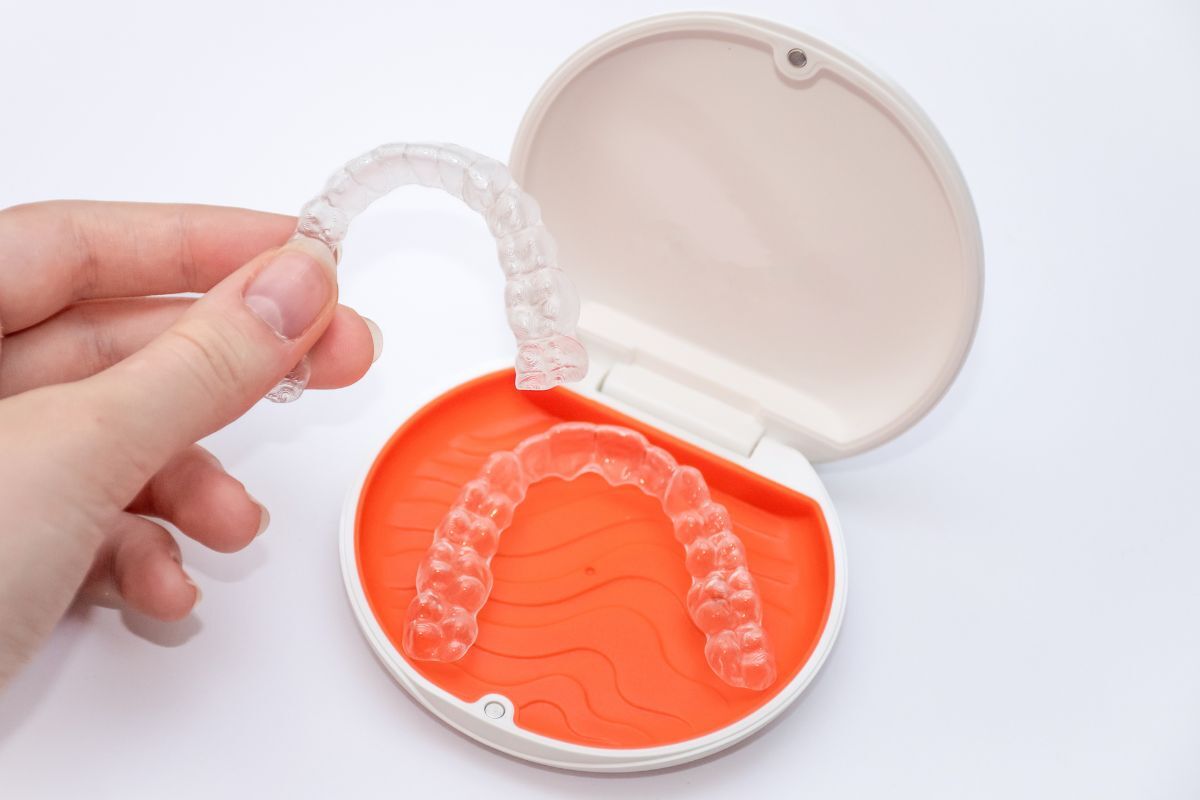
Yes, clear aligners often can. These removable trays gently guide teeth back into position. They’re popular for discreet fixes.
r5m For shifts from tongue habits, aligners apply steady force. Clear aligners counter the forward push. Results show in mild to moderate cases.
But success depends on case severity. Mild shifts respond well. Severe ones might need extra steps.
Aligners fit snugly. They block some tongue contact. This aids habit awareness during wear.
Treatment lasts 6-18 months. Weekly changes keep progress on track. Regular check-ins ensure adjustments.
Many prefer them over metal brackets. No wires to poke. Easy to clean and eat normally.
The Treatment Process with Aligners
It starts with a scan. Digital models map your bite.
Custom trays arrive in sets. Each shifts teeth a bit more.
Wear them 20-22 hours daily. Remove for meals and brushing.
Progress scans track changes. Apps let you monitor from home.
If habits persist, progress slows. The tongue fights the trays.
That’s why combining approaches works best. Therapy retrains swallow patterns.
After alignment, retainers hold the new positions. Nightly wear prevents relapse.
Patients report boosted confidence. Smiles look natural and function better.
Addressing the Underlying Habit
Aligners fix the symptoms. But the root cause needs attention.
Speech therapy is effective. Exercises strengthen proper tongue placement.
A therapist guides you through drills. Practice swallowing with the tongue on the roof of the mouth.
Appliances like cribs can help. They block forward thrusts. Worn for months, they retrain muscles.
Breathing issues? See an ENT for allergies or tonsils.
Consistency matters. Daily habits build new patterns.
Without this, teeth might shift again post-treatment. It’s a team effort for lasting results.
In Broken Arrow, OK, options abound for this care. Local pros use advanced tools for accurate plans.
Trending FAQs on Tongue Thrusting and Aligners
People often search for quick answers on this topic. Here are some top questions from online queries, with clear responses:
- What are the signs of tongue thrust? Look for the tongue pressing against or between front teeth when swallowing. Other clues include mouth breathing, speech lisps, or an open bite where front teeth don’t meet.
- How can I fix tongue thrusting at home? Start with awareness exercises. Practice swallowing with your tongue tip on the spot behind your upper front teeth. Mirror checks help. But professional therapy is often needed for full correction.
- Does tongue thrust affect orthodontic treatment? Yes, it can slow progress or cause relapse. The constant pressure works against braces or aligners. Addressing the habit first improves outcomes.
- Can adults correct tongue thrust? Absolutely. Therapy and appliances work well. It’s never too late to retrain muscles and align teeth.
- Is tongue thrust linked to speech problems? Often, yes. It can cause lisps or unclear “s” sounds. Fixing the thrust improves clarity.
These cover common concerns. They show how interconnected habits and dental health are.
Benefits of Early Intervention
Catching this young prevents major shifts. Kids’ jaws are still growing. Fixes are simpler.
For adults, it’s still worthwhile. Modern methods make it convenient.
Better alignment means easier cleaning. Less risk of decay or gum issues.
Jaw comfort improves. No more strain from uneven bites.
Aesthetics play a role too. Straight teeth enhance self-esteem.
If you’re noticing shifts, don’t wait. Early action saves time later.
Wondering where to start? If you’re looking for a reliable orthodontist near you in Broken Arrow, OK, exploring local experts can provide personalized guidance.
Think about your daily habits. Small changes lead to big improvements.
Ready to explore options? Taking that first step feels empowering.
Dealing with shifted teeth from habits like this can feel overwhelming. But solutions exist that fit your lifestyle. With the right approach, you can achieve a comfortable, confident smile. Remember, professional input makes all the difference. If this resonates, consider reaching out to schedule an appointment today. Your future self will thank you.