Have you ever noticed your smile looking a bit off because some teeth seem slanted? Many people deal with this issue quietly. It often stems from simple routines built over time. The good news is modern solutions exist to gently guide those teeth back into place. This post dives into effective ways to tackle the problem, offering tips and insights to help you feel more confident.
Understanding Tilted Teeth
Tilted teeth happen when they shift out of their ideal position. This can make chewing tougher or lead to uneven wear. Often, the root cause ties back to patterns formed early on.
Common Causes from Past Routines
Certain behaviors can nudge teeth sideways. Thumb sucking as a child puts pressure on front teeth, pushing them forward or tilting them. Tongue thrusting, where the tongue presses against teeth during swallowing, does similar damage. Mouth breathing, especially at night, alters jaw growth and tooth alignment. Even nail biting or chewing on pens adds uneven force. Over years, these add up, creating noticeable tilts.
Genetics play a role too. Narrow jaws leave less room, forcing teeth to crowd and tip. Injuries or lost baby teeth early can shift permanent ones. Spotting these early helps prevent bigger shifts.
How Aligners Work on Tilted Teeth
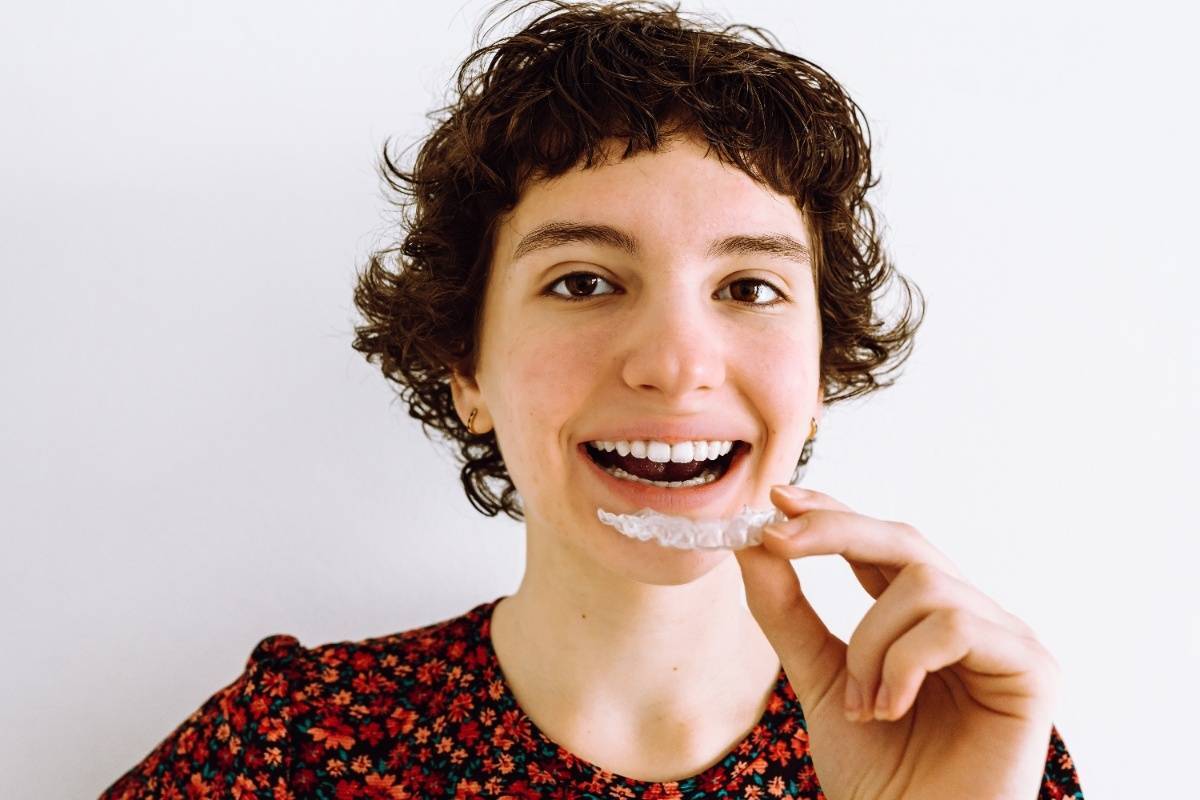
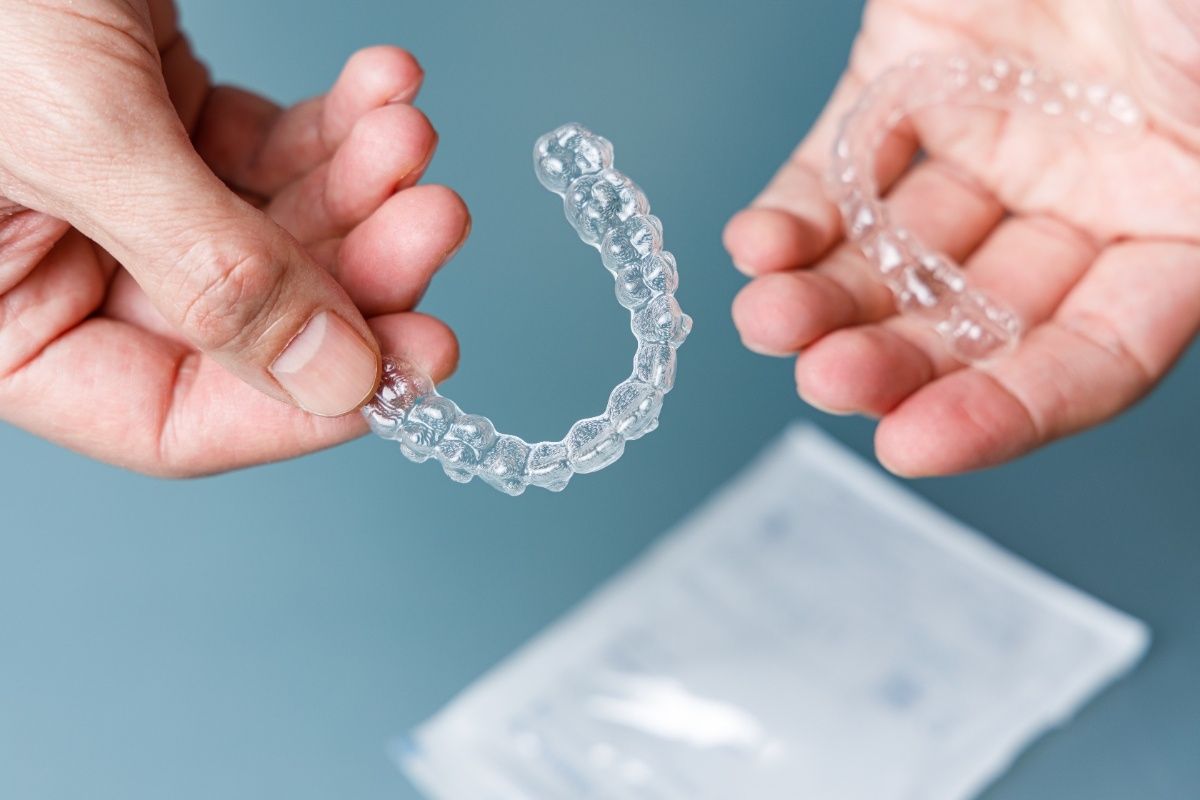
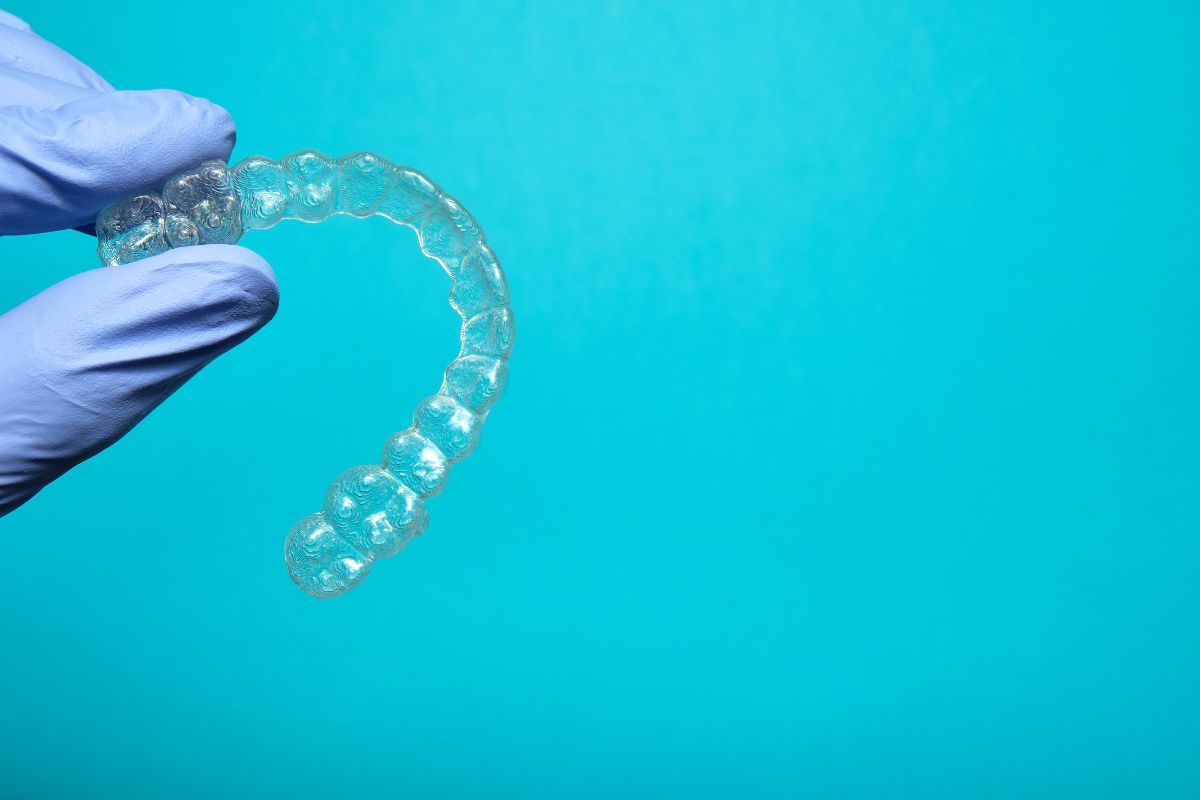
Aligners use steady, controlled force to rotate and straighten teeth. Made from smooth plastic, they fit snugly over your teeth. Each set in the series moves them a tiny bit more.
The process starts with a detailed scan of your mouth. This creates a 3D model showing how teeth will shift step by step. Aligners apply pressure to specific areas, guiding tilted teeth upright. For tougher tilts, small attachments bond to teeth for better grip. This helps with rotations up to 20 degrees or so.
Unlike fixed options, aligners come out for meals and cleaning. Wear them 20 to 22 hours daily for best results. Switch sets every one to two weeks. Treatment often wraps in 6 to 18 months, based on the tilt’s severity.
Benefits of Choosing Aligners
Aligners blend into daily life seamlessly. Their clear design makes them hard to spot, ideal for adults in professional settings. No wires mean less irritation to cheeks and gums.
They promote better oral care. Removing them lets you brush and floss normally, reducing plaque buildup. This lowers risks like decay around tilted teeth. Plus, no food limits keep meals enjoyable.
Many find them comfortable from the start. Initial soreness fades quickly as teeth adjust. Regular check-ins ensure progress stays on track.
For those seeking clear aligners in Broken Arrow, OK, local options make starting easy. Expert guidance tailors the plan to your unique tilt issues.
The Treatment Journey
Begin with a consult to assess your teeth. Discuss habits that might have caused the tilt and how to avoid repeats. Impressions or scans map out the custom plan.
Once aligners arrive, wear the first set full-time except for eating or drinking. Clean them daily with a soft brush. Track changes with follow-up visits every four to six weeks.
As teeth straighten, old habits might tempt relapse. Post-treatment retainers lock in the new position. Wear them as directed, often at night long-term.
Success Rates and Insights
Studies show aligners perform well for tilted teeth. Success depends on the movement type. Here’s a quick look at average accuracy from research:
| Tooth Movement | Success Rate (%) | Notes |
|---|---|---|
| Tipping | 56-76 | Effective for slight leans, like front teeth. |
| Rotation | 46-71 | Canines often at 48-50; incisors higher at 70+. |
| Extrusion | 18-30 | Less predictable for pulling teeth down. |
| Overall Mild Cases | 80-90 | Great for habits-related tilts. |
These stats come from reviews of hundreds of cases. Compliance boosts outcomes. For rotated teeth from tongue thrusting, accuracy hits around 65% on average. Attachments improve grip for trickier tilts.
Addressing Common Concerns
Worried about discomfort? Most feel mild pressure at first, easing in days. Aligners won’t fix severe jaw issues alone but handle habit-induced tilts well.
What if teeth shift back? Consistent retainer use prevents that. Break old patterns, like using guards for mouth breathing.
Results vary by case. Mild tilts from thumb sucking often correct faster than deep-rooted ones.
Trending FAQs
Here are some frequently asked questions based on what people search online about aligners and tilted teeth:
- Can clear aligners fix tilted teeth? Yes, they excel at correcting mild to moderate tilts by applying targeted pressure over time. For severe cases, they pair with other tools.
- What causes teeth to tilt from old habits? Habits like thumb sucking, tongue thrusting, or mouth breathing apply uneven force, gradually shifting teeth out of line.
- How long does it take for aligners to straighten tilted teeth? Typically 6 to 18 months, depending on the tilt’s degree and your wear consistency.
- Are aligners better than braces for rotated teeth? Aligners offer discretion and comfort for moderate rotations, while braces suit complex ones needing stronger control.
- Do attachments help with tilted teeth? Absolutely, these tiny bumps on teeth enhance aligner grip, improving rotation accuracy.
- Can adults with old habit-related tilts use aligners? Yes, they’re popular for adults, providing effective correction without lifestyle disruption.
These draw from common Google queries, ensuring you get answers to real concerns.
If you are searching for an orthodontist near you, consider one who specializes in habit-related corrections. They can spot underlying patterns and craft a plan that lasts.
Ready to address those tilted teeth? Start by evaluating your routines and seeking professional input. A straighter smile boosts confidence and health.
In the end, overcoming tilts from past habits leads to lasting improvements. Embrace the change for a brighter, more aligned future. Your smile deserves it.