Starting orthodontic treatment is a big decision. Most new patients in Broken Arrow come in with a list of questions — and that is completely normal. This guide answers the 5 questions about braces our team hears most often from patients who are just getting started. Whether you are exploring braces for yourself or your teen, you deserve clear and honest answers before committing to care.
Question 1: How Do I Know If I Actually Need Braces in Broken Arrow?
Many patients aren’t sure whether their teeth are misaligned enough to require treatment. The truth is, braces address more than cosmetic concerns. Crowding, spacing, overbites, underbites, and crossbites can all affect your oral health long-term.
Common signs that braces may help include:
- Difficulty chewing or biting food properly
- Teeth that visibly overlap or are spaced apart
- Jaw pain or clicking when you open your mouth
- Difficulty cleaning between tightly packed teeth
- A noticeable overbite, underbite, or crossbite
An orthodontic evaluation is the only way to know for certain. At Emerson Orthodontics, we assess each patient individually and explain exactly what we find. There is never any pressure to start treatment before you feel ready.
Question 2: What Is the Difference Between Traditional Braces and Clear Aligners?
This is one of the most common questions we hear from new patients exploring their options. Both traditional braces and clear aligners can effectively straighten teeth, but they work differently. Understanding the difference helps you choose the right option for your lifestyle.
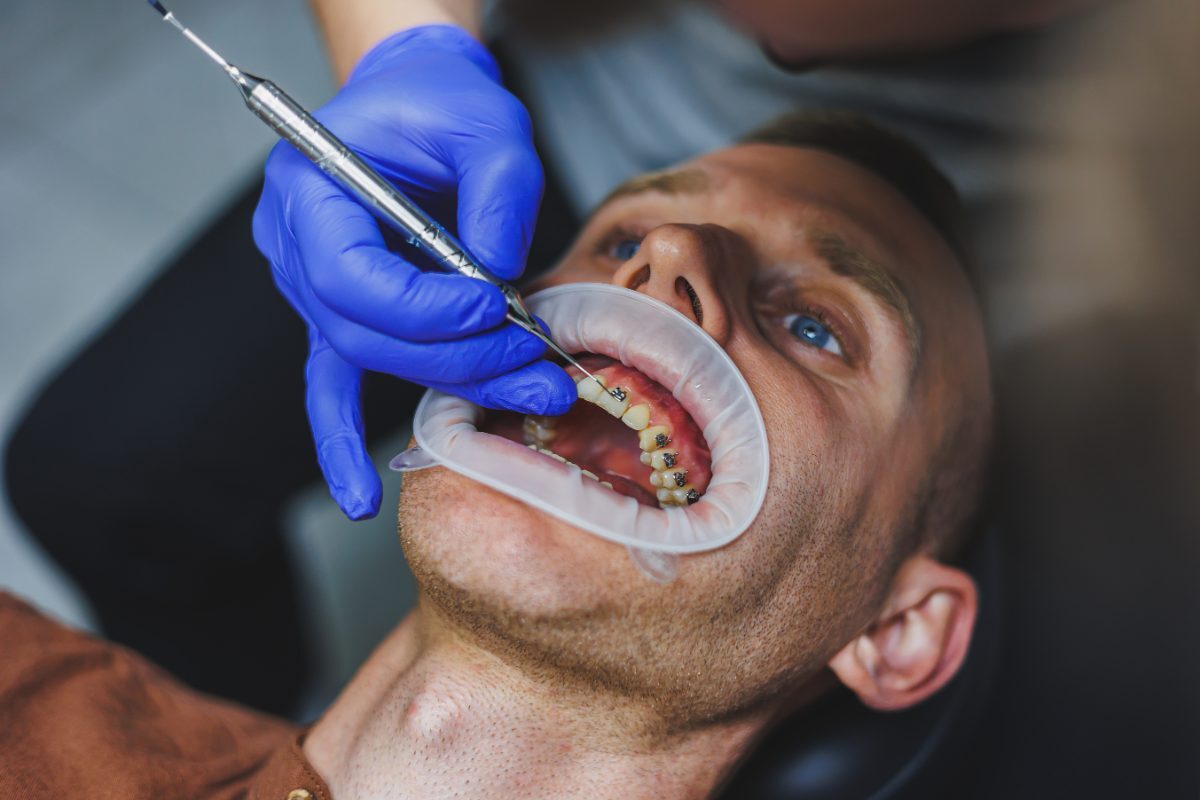
Traditional braces in Broken Arrow use metal brackets and wires bonded to your teeth. They work continuously and do not require you to remember to wear them. They are often the preferred option for more complex bite issues.
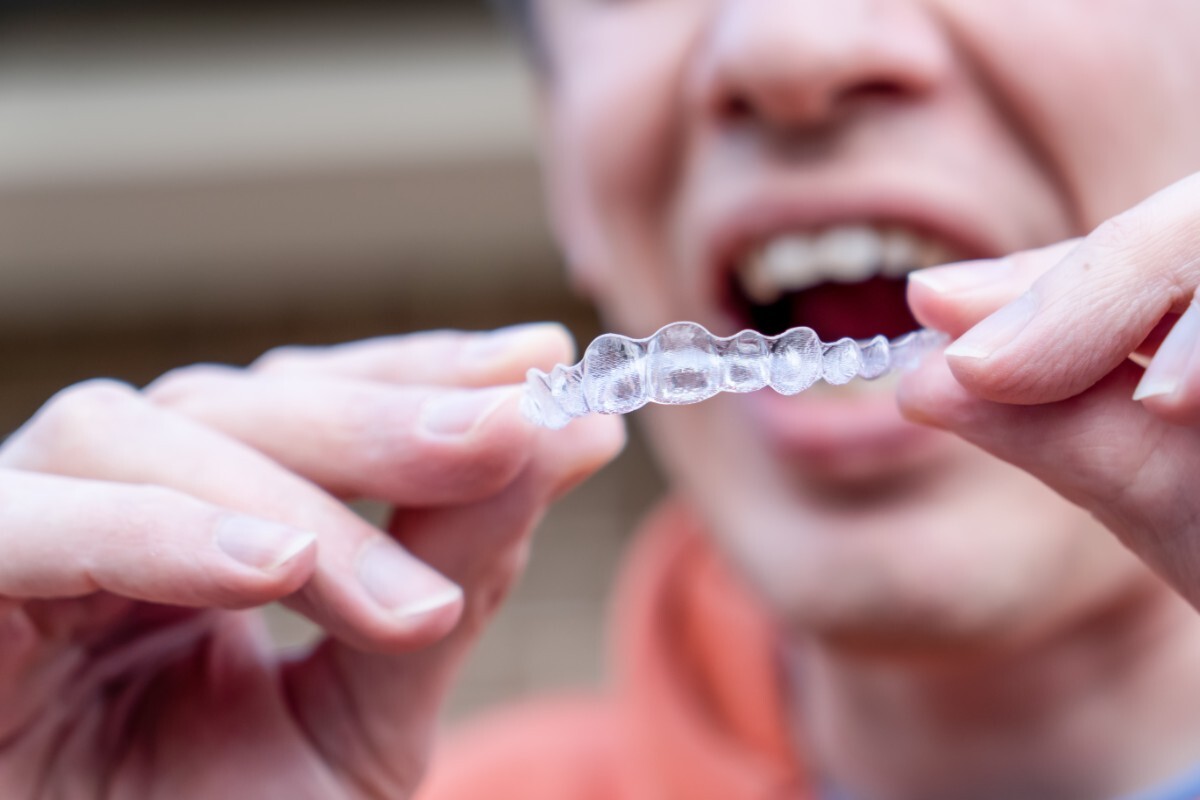
Clear aligners are removable trays that gradually shift your teeth. They are nearly invisible and allow you to eat and brush without restrictions. However, they require consistent wear — typically 20 to 22 hours per day — to deliver results.
Here is a quick comparison to help:
- Traditional Braces: Fixed, highly effective for complex cases, lower risk of non-compliance
- Clear Aligners: Removable, discreet, ideal for mild to moderate alignment issues
- Braces for Teens: Often include compliance indicators and are built for active lifestyles
- Braces for Adults: Available in both metal and clear options for professional settings
Your orthodontist will help you weigh the pros and cons based on your specific needs and goals.
Question 3: Does Getting Braces Hurt?
Honestly, some discomfort is expected — but it is manageable. Most patients feel soreness in the first few days after braces are placed. You may also notice tenderness after each adjustment appointment.
The soreness usually peaks within 24 to 72 hours and then fades. Over-the-counter pain relievers and soft foods can help during this time. Many patients find the discomfort much less intense than they expected.
Clear aligners in Broken Arrow can also cause pressure when you switch to a new tray. This is a sign the aligners are working. Most patients describe it as tightness rather than pain.
The key takeaway is that any discomfort is temporary. Long-term results far outweigh the short-term adjustment period. Our team at Emerson Orthodontics always prepares patients for what to expect so nothing comes as a surprise.
Question 4: How Long Will Braces Take to Work?
Treatment timelines vary from person to person. On average, braces treatment lasts between 12 and 24 months. More complex cases may take longer, while mild alignment issues can sometimes be resolved sooner.
Several factors influence your treatment length:
- Severity of misalignment — More complex cases take longer to correct safely.
- Age of the patient — Younger patients often see faster tooth movement.
- Compliance with instructions — Wearing aligners as directed speeds up results.
- Consistency with appointments — Regular check-ins keep your treatment on track.
- Early intervention — Starting treatment at the right age can simplify future care.
Early orthodontic intervention, sometimes called Phase 1 treatment, can guide jaw development in younger children. This may reduce the complexity of treatment later in adolescence. Our team evaluates each child individually to determine the right timing.
At your first consultation, we will give you a realistic estimate based on your specific situation. We believe honest timelines build trust — and help you plan ahead.
Question 5: What Happens After Braces Come Off?
Finishing active treatment is exciting — but it is not quite the end of the process. After braces are removed, most patients transition into a retention phase. This critical step protects your results.
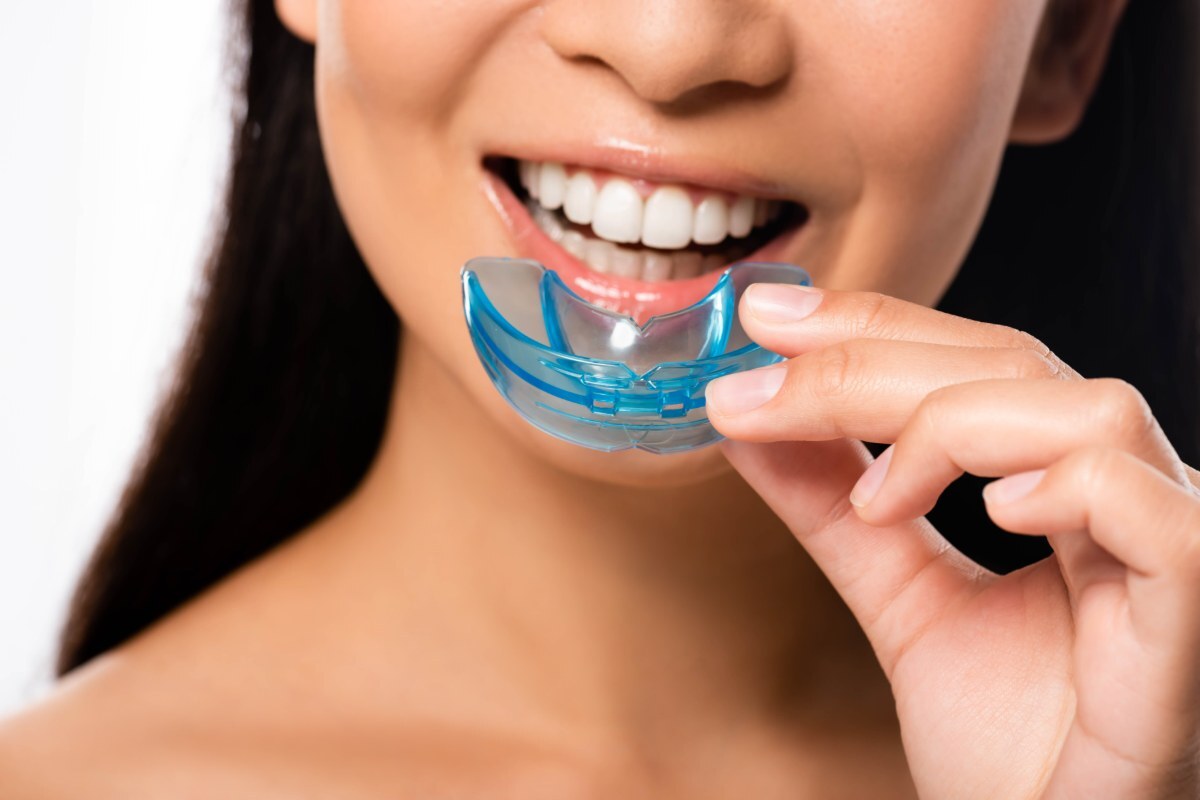
Retainers hold your teeth in their new positions while the surrounding bone stabilizes. Without a retainer, teeth can gradually shift back over time. Most patients wear retainers full-time at first, then only at night.
There are two common retainer types:
- Removable retainers: Clear trays or traditional wire retainers worn while sleeping
- Fixed retainers: A thin wire bonded behind the front teeth for long-term stability
Our orthodontist, Dr. Clinton Emerson, will recommend the best option based on your case. Properly caring for your retainer extends its life and keeps your smile looking great. We provide clear instructions, so you always know what to do.
Making the Decision to Start: What to Expect at Your First Visit
Your first appointment at Emerson Orthodontics is a no-pressure consultation. We take time to listen to your concerns and answer every question you bring in. There is no obligation to begin treatment that same day.
During your visit, we typically:
- Review your dental and medical history
- Take digital X-rays and photographs of your smile
- Perform a thorough orthodontic examination
- Discuss your goals and explain your treatment options
- Walk you through the expected timeline and next steps
We want every patient in Broken Arrow to feel informed and confident before moving forward. Our team speaks plainly — no jargon, no confusion. You will leave knowing exactly what your options are.
If you have been putting off orthodontic care because of unanswered questions, now is a great time to take the next step. Our team is here to guide you every step of the way. Book now to schedule your appointment.
Frequently Asked Questions
At what age should children get their first orthodontic evaluation?
The American Association of Orthodontists recommends a first evaluation by age seven. At this age, an orthodontist can identify early signs of bite or spacing issues. Early evaluation does not always mean early treatment — it simply means you have the information you need to plan ahead.
Can adults get braces, or is treatment only for teens?
Adults can absolutely get braces. There is no age limit for orthodontic treatment. Many adults in Broken Arrow choose braces or clear aligners to improve both their smile and their bite. Treatment options today are more discreet than ever, making it easier to fit into a professional lifestyle.
How often will I need to come in for appointments during treatment?
Most patients visit us every six to ten weeks for adjustments or aligner check-ins. These appointments are typically short, lasting around 20 to 30 minutes. Consistent visits help keep your treatment on schedule and catch any issues early.
Are clear aligners as effective as traditional braces?
Clear aligners are highly effective for mild to moderate alignment concerns. For more complex bite corrections, traditional braces may produce better results. Your orthodontist will recommend the option best suited to your specific case after a thorough evaluation.
What should I do if a bracket falls off or a wire breaks?
Contact our office as soon as possible if a bracket breaks or a wire breaks. We will schedule a repair appointment quickly to keep your treatment on track. In the meantime, orthodontic wax can help protect any sharp edges from irritating your cheeks or lips.