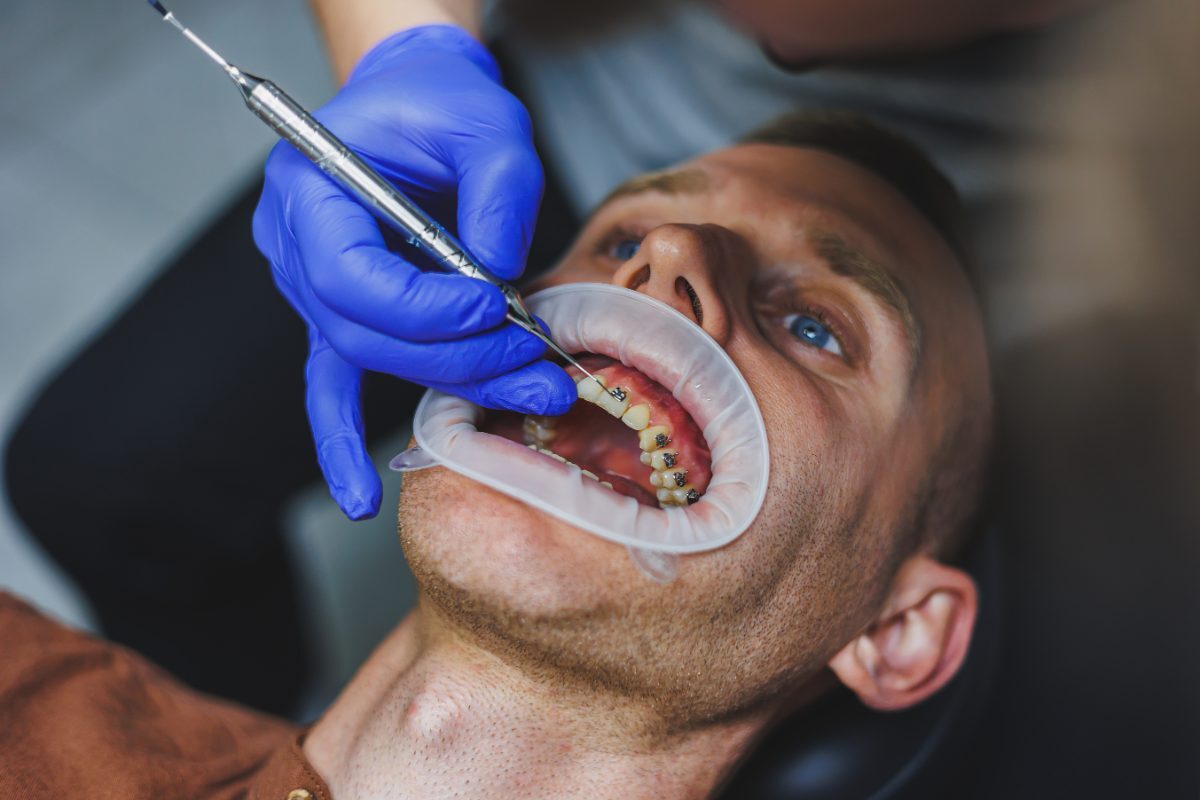
You have finally completed your braces treatment, your brackets have been removed, and your teeth look straighter than ever. After months or even years of orthodontic appointments, it is understandable that you want to enjoy your results without worrying about another dental appliance. But what happens if you stop wearing your retainer?
Perhaps you forget to wear it before bed, leave it at home on vacation, or decide your teeth look straight enough to manage without it. If you live in Broken Arrow, OK, and have recently completed orthodontic treatment, these situations may sound familiar. Unfortunately, even a short break from wearing your retainer can let your teeth start shifting.
Removing braces doesn’t mean your orthodontic journey is finished. Your teeth, gums, and surrounding bone need time to adapt to their new positions. Retainers help maintain the alignment achieved during active treatment and reduce the possibility of orthodontic relapse.
At Emerson Orthodontics, Dr. Clinton Emerson helps patients understand why retention matters after braces and how consistent retainer use protects their treatment results. Whether you recently completed orthodontic treatment or haven’t worn your retainer in several months, knowing what happens when you skip it can help you make informed decisions about your dental health.
Why Do You Need a Retainer After Braces Treatment?
Braces in Broken Arrow gradually move teeth into their planned positions by applying controlled pressure. During this process, the periodontal ligament and surrounding bone change to allow tooth movement.
After your braces are removed, these supporting tissues need time to reorganize and stabilize around the corrected tooth positions.
Your teeth also experience natural forces from chewing, speaking, swallowing, and normal aging. Without retention, these forces can contribute to unwanted tooth movement.
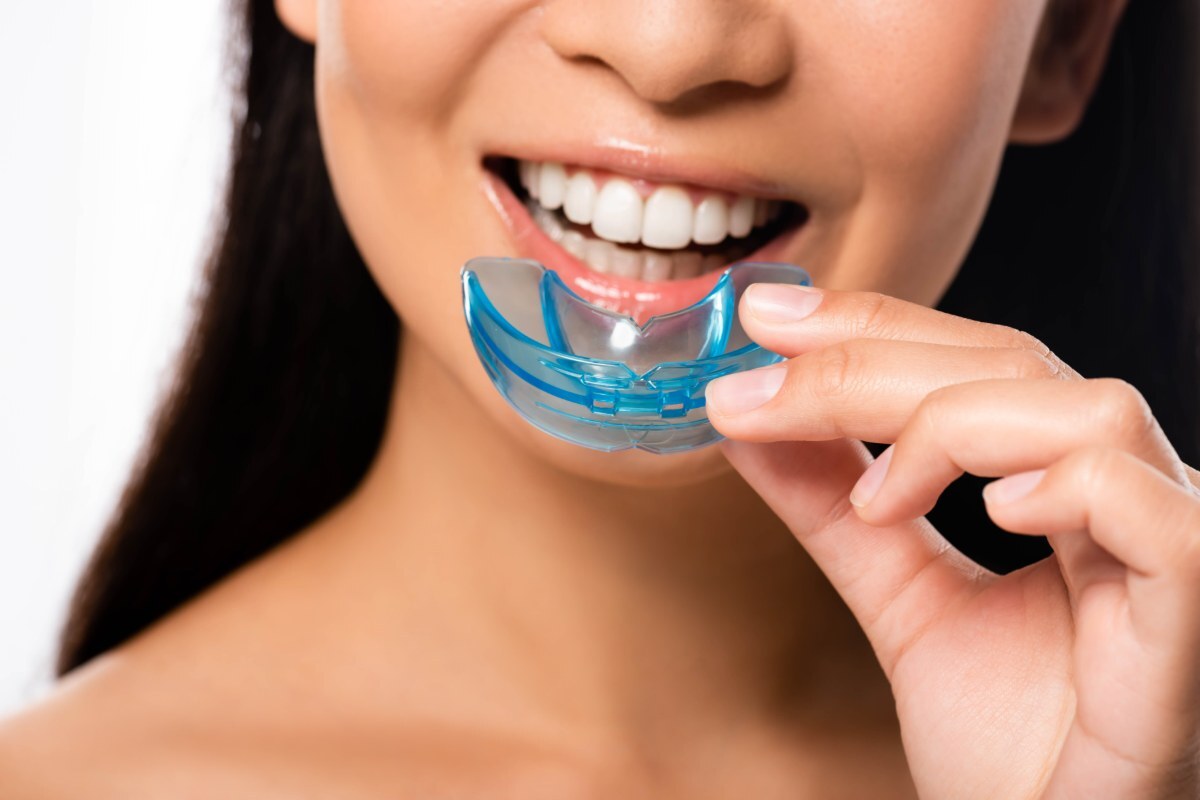
A retainer is a custom-made orthodontic appliance designed to maintain the positions achieved through braces treatment.
According to the American Association of Orthodontists (AAO), patients generally need retainers after orthodontic treatment because teeth can continue shifting throughout life. The organization recommends long-term retention, with the orthodontist determining the wearing schedule.
Retainers are not simply an additional step after braces. They are an essential part of maintaining orthodontic results.
What Happens If You Stop Wearing Your Retainer?
Not wearing your retainer does not necessarily cause immediate, noticeable changes. However, the longer you go without following your prescribed retention schedule, the greater the opportunity for unwanted tooth movement.
Here are some problems that may develop.
1. Your Teeth May Shift Back Toward Their Original Positions
One of the most common consequences of skipping your retainer is orthodontic relapse.
Relapse occurs when teeth move away from the positions achieved during orthodontic treatment. Some patients notice small gaps returning, while others experience renewed crowding or overlapping.
The lower front teeth are particularly susceptible to alignment changes over time.
A Cochrane review on orthodontic relapse reported historical findings indicating that only 30%–50% of patients maintained satisfactory alignment 10 years after treatment, while the proportion was about 10% after 20 years. These figures highlight the long-term challenge of maintaining alignment and should not be interpreted as an individual prediction.
Consistent retainer use can help reduce the risk of these unwanted changes.
2. Your Retainer May Become Too Tight
Have you ever tried putting on a retainer after forgetting it for several nights and noticed that it feels unusually tight?
This may indicate that your teeth have moved slightly from their original positions.
A retainer in Broken Arrow is manufactured to fit your teeth at a particular stage. If your teeth shift, the appliance may no longer fit comfortably.
A slightly snug retainer and a painful or poorly fitting appliance are not the same thing. If the retainer doesn’t seat fully or causes significant discomfort, don’t force it onto your teeth. Contact your orthodontist for an evaluation.
The AAO identifies inconsistent retainer use as a common reason removable retainers may become difficult to fit.
3. Gaps May Reappear Between Your Teeth
If you previously had spaces between your teeth, stopping retainer use may allow some of those spaces to reopen.
Even small changes in tooth position can affect your smile’s appearance and how your upper and lower teeth meet.
Patients who completed treatment to close spaces may be particularly concerned when they notice a gap returning.
Your orthodontist can determine whether the change is minor or whether additional treatment may be needed.
4. Crowding Can Return
Crowded teeth may begin to overlap again when the prescribed retainer is no longer in place.
This can happen gradually, meaning you may not notice the change immediately.
For example, your lower front teeth may begin to rotate or overlap slightly. Over time, these changes can become more noticeable and may make cleaning between teeth more challenging.
5. Your Bite May Change
Orthodontic treatment does more than improve tooth alignment. It also helps establish an appropriate relationship between the upper and lower teeth.
If teeth move after braces, your bite may change as well.
You might notice your teeth no longer meet the same way when chewing, or that certain teeth contact before others.
A change in bite alignment should be evaluated by an orthodontist rather than ignored.
How Quickly Can Teeth Shift Without a Retainer?
No universal timeline exists for orthodontic relapse. Some patients notice changes within days of stopping retainer use, while others experience gradual movement over several months or years.
The likelihood and speed of shifting depend on several factors:
- Original alignment problems: Patients with significant crowding, spacing, or rotations may need careful long-term retention.
- Time since braces removal: Teeth may be particularly vulnerable to movement during the early retention period.
- Individual biology: Supporting tissues and natural tooth movement vary between patients.
- Retainer type: Fixed and removable retainers provide different forms of support.
- Consistency: Following the prescribed schedule helps maintain the corrected positions.
A study published in the American Journal of Orthodontics and Dentofacial Orthopedics examined retainer-wearing habits during the first two years after orthodontic treatment. Among the patients assessed 19–24 months after braces removal, 81% reported wearing their retainers at least one night per week, while 19% reported not wearing them.
Importantly, wearing a retainer only one night per week does not mean that schedule is sufficient for everyone. The study illustrates how adherence can decline and why patients should follow their own orthodontist’s instructions.
Does Wearing a Retainer Every Night Really Matter?
For many patients, yes. Nighttime retainer use is a common long-term recommendation after the initial retention period.
However, the exact schedule varies depending on the patient’s treatment history, appliance type, and orthodontic needs.
Your orthodontist may initially recommend full-time wear, followed by nighttime wear once your teeth have stabilized.
The AAO explains that long-term, often indefinite, retainer use matters because teeth continue to change throughout life.
Think of your retainer as part of your ongoing dental care routine. Just as brushing and flossing help maintain oral health, wearing your retainer helps maintain orthodontic alignment.
A few simple habits can make nighttime wear easier:
- Keep your retainer case beside your toothbrush.
- Set a bedtime reminder if you frequently forget.
- Clean your retainer as your orthodontist instructs.
- Carry its protective case when traveling.
- Replace damaged retainers promptly.
Consistency is more helpful than wearing your retainer only when you remember.
What Should You Do If You Have Not Worn Your Retainer for Months?
If you haven’t worn your retainer for several months, don’t assume your teeth have returned to their original positions. Movement varies from person to person.
However, schedule an orthodontic evaluation before deciding what to do next.
Follow these steps:
Step 1: Check your retainer. Examine it for cracks, distortion, or other visible damage.
Step 2: Do not force it into place. If the appliance does not fit normally or causes pain, stop trying to insert it.
Step 3: Contact your orthodontist. Explain how long you have gone without wearing the retainer and whether you have noticed changes in your teeth.
Step 4: Schedule an evaluation. Your orthodontist can examine your current alignment, bite, and retainer fit.
Step 5: Follow the recommended solution. Depending on the amount of movement, you may need a replacement retainer, an adjustment, or additional orthodontic treatment.
Acting early may help prevent minor changes from becoming more complicated.
Can You Straighten Your Teeth Again If They Have Shifted?
Yes. Patients who experience orthodontic relapse may have several treatment options, depending on how much their teeth have moved.
Replacement Retainer
If your teeth have shifted only slightly, your orthodontist may recommend a replacement retainer. However, a retainer is primarily designed to maintain tooth positions, not automatically correct significant movement.
Clear Aligners
For selected patients with mild or moderate relapse, clear aligners may help reposition teeth that have shifted after braces.
Treatment depends on the current alignment, bite, and overall orthodontic condition.
Braces Again
If the relapse is more extensive or involves complicated bite changes, additional braces treatment may be recommended.
Your orthodontist will evaluate your condition before recommending another course of treatment.
The goal is to restore appropriate alignment while considering the health of your teeth and supporting tissues.
What Are the Different Types of Retainers?
Understanding your retainer helps you care for it and follow your treatment instructions.
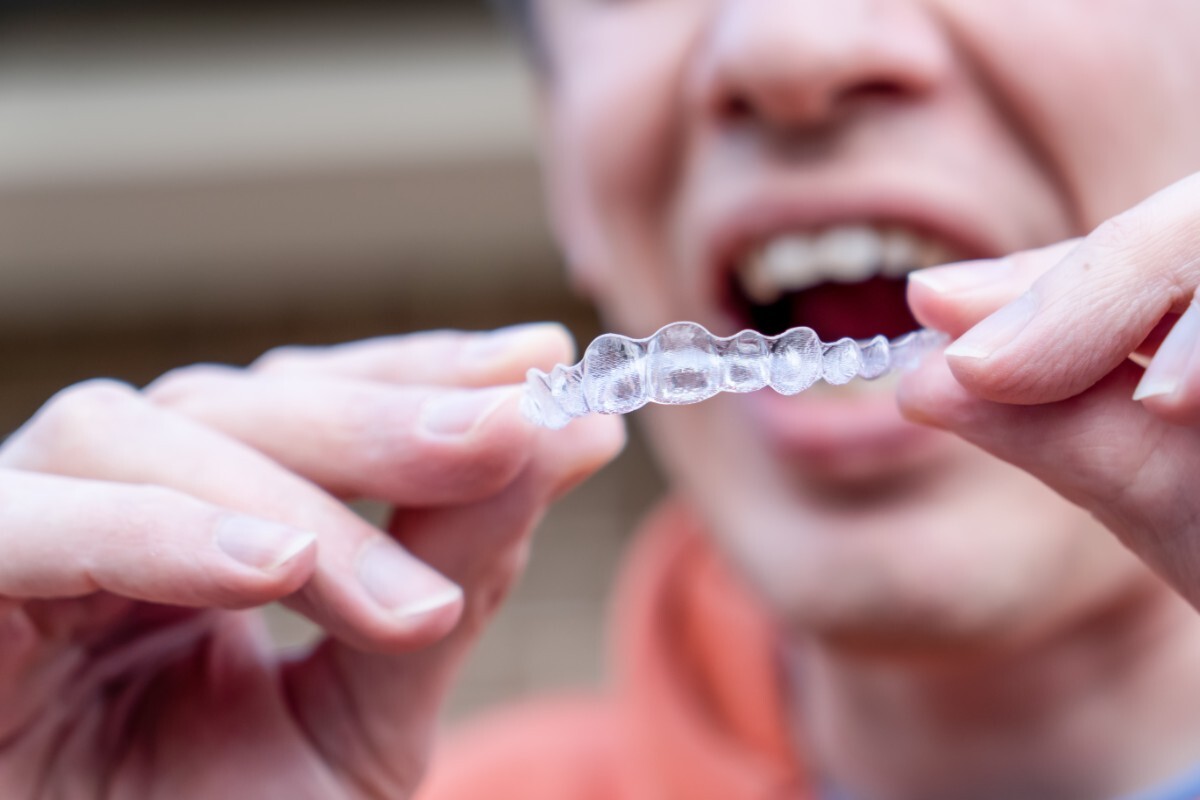
Removable Clear Retainers
These transparent plastic appliances fit over your teeth and are designed to maintain their positions.
They are discreet and convenient, but you must wear them consistently and store them safely when you remove them.
Hawley Retainers
Hawley retainers generally consist of an acrylic base and a thin metal wire that holds the teeth in position.
They are removable, and an orthodontist can adjust them when appropriate.
Fixed Retainers
Fixed retainers consist of a thin wire bonded to the back surfaces of selected teeth, commonly the lower front teeth.
Because they stay attached, patients don’t need to remember to insert them every night. However, they require careful cleaning and regular monitoring.
A 2021 review in the British Dental Journal explained that no single retention protocol is ideal for every patient. Retainer selection and wearing schedules should be individualized according to treatment history and clinical needs.
How Can Emerson Orthodontics Help Protect Your Orthodontic Results?
Completing braces treatment is an important milestone, but maintaining the results requires ongoing attention.
At Emerson Orthodontics, Dr. Clinton Emerson understands that patients may have questions about retainer use, tooth movement, and long-term orthodontic stability.
Whether you recently finished treatment, misplaced your retainer, or noticed your teeth shifting, an orthodontic evaluation can help identify the next appropriate step.
Your orthodontic team can assess your tooth positions, examine your retainer, and explain whether you need a replacement appliance or additional treatment.
Patients in Broken Arrow, OK, can discuss their post-braces concerns and receive guidance on maintaining their orthodontic results.
Regular follow-up appointments and consistent retainer use can help protect the time and effort invested in achieving properly aligned teeth.
Conclusion
Not wearing your retainer after braces treatment can allow your teeth to shift, gaps to reopen, crowding to return, and bite alignment to change. Although these changes may happen gradually, they can become more noticeable when you go for extended periods without wearing your appliance.
Retainers help maintain the positions achieved through orthodontic treatment, and many patients need long-term nighttime wear to preserve their results. If your retainer feels tight, does not fit, or has been missing for several months, avoid forcing it and contact your orthodontist.
At Emerson Orthodontics, Dr. Clinton Emerson can help you understand your retention needs and address concerns about teeth shifting after braces. Visit our dental practice in Broken Arrow, OK. Book now to schedule your appointment with our team and learn how to protect your orthodontic results.
Frequently Asked Questions
1. What orthodontic services can I discuss during an appointment?
Patients can discuss concerns involving crowded teeth, spacing, bite alignment, braces, retainers, and other orthodontic needs. Our dentist can evaluate your concerns and explain suitable treatment options.
2. What should I expect during my first orthodontic consultation?
Your initial consultation generally includes a discussion of your dental history, concerns, and treatment goals. Our dentist may examine your teeth and bite and recommend diagnostic records to help determine an appropriate treatment plan.
3. Can adults receive orthodontic treatment?
Yes. Adults can receive orthodontic treatment to address crowded teeth, spacing, and bite irregularities. Our dentist can assess your dental condition and explain appropriate options.
4. How often should I schedule orthodontic follow-up appointments?
Follow-up appointment frequency depends on your treatment and individual needs. Our dentist can recommend an appropriate schedule to monitor your orthodontic progress and your retainer’s condition.
5. What should I do if I lose or damage my retainer?
Contact your orthodontic office as soon as possible. Avoid trying to repair a damaged appliance yourself. Our dentist can evaluate your teeth, discuss replacement options, and explain next steps to maintain your orthodontic results.