


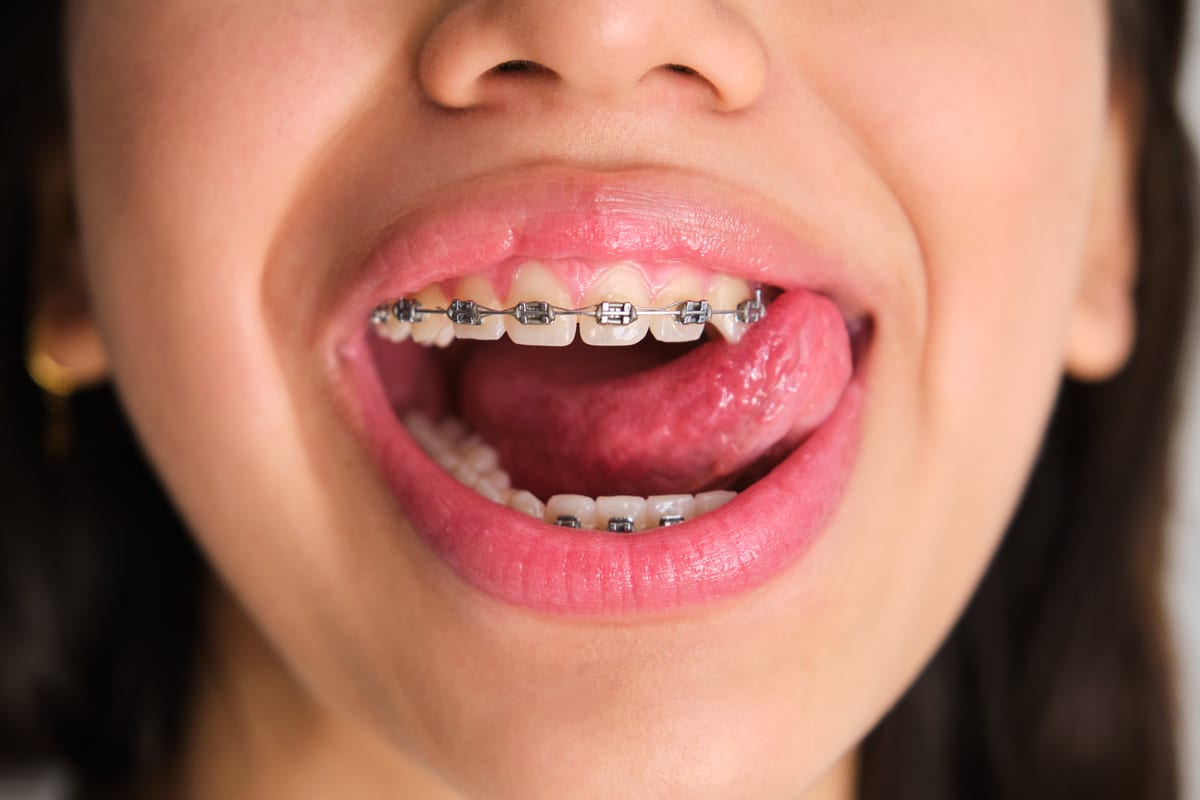
Understanding why early braces save you from costlier orthodontic problems later in Broken Arrow is one of the most valuable things a parent can learn. Many families assume orthodontic treatment is only for teenagers. In reality, catching issues early can prevent complex and expensive problems down the road. The American Association of Orthodontists recommends a first evaluation by age seven for good reason.
At Emerson Orthodontics, we see firsthand how early intervention changes outcomes for children in Broken Arrow. A small alignment issue at age eight can become a significant structural problem by age fourteen. Acting early gives your child’s smile the best possible foundation. This article explains what early orthodontic care is, why it matters, and how it protects your family’s long-term well-being.
What Is Early Orthodontic Intervention and Why Does It Matter?
Early orthodontic intervention refers to treatment that begins before all permanent teeth have erupted. This is sometimes called Phase One treatment. It typically takes place between ages seven and ten, while the jaw is still growing and more responsive to guidance.
During this stage, Broken Arrow orthodontists can identify problems that are much harder to fix later. Issues like narrow jaw arches, severe crowding, crossbites, and underbites respond well to early treatment. Waiting until all permanent teeth appear can mean more invasive solutions. In some cases, waiting could even lead to tooth extraction or surgery.
Families throughout Broken Arrow often ask whether their child truly needs early treatment. Not every child does. But for those who show early warning signs, timely evaluation and intervention can make an enormous difference in treatment complexity and overall cost.
Warning Signs That Your Child May Need Early Braces
Recognizing the signs of an developing orthodontic issue is the first step toward prevention. Some signs are obvious, while others require a professional eye. Here are common indicators that your child could benefit from early evaluation:
- Difficulty chewing or biting food properly
- Mouth breathing or snoring at night
- Early or late loss of baby teeth
- Crowded, misplaced, or blocked-out teeth
- Jaws that shift, pop, or make sounds
- Thumb-sucking habits continuing past age five
- Teeth that don’t meet correctly when biting
These signs don’t always mean your child needs braces immediately. However, they do mean a professional assessment is worthwhile. At Emerson Orthodontics, we offer evaluations that give parents clear, honest guidance. We never recommend treatment unless it genuinely serves your child’s health.
Catching these signs early in Broken Arrow lets us use the jaw’s natural growth to our advantage. Growing bones respond to gentle guidance in ways that adult bones simply cannot. That responsiveness is what makes early treatment so effective as a preventive strategy.
How Early Braces Prevent More Expensive Problems Later?
The prevention angle here is straightforward. Treating a developing problem is almost always less involved than treating a fully formed one. Early braces in Broken Arrow can guide jaw growth, create space for incoming teeth, and reduce the severity of future alignment issues.
Consider a child with a narrow upper arch. If treated early with a palate expander or early braces, the arch can be widened gradually and painlessly. Without early treatment, the same child at age fifteen may face braces combined with tooth extractions or even jaw surgery. The difference in treatment time, complexity, and cost can be significant.
Here are specific ways early orthodontic care saves money and time over the long term:
- Reduces the likelihood of needing tooth extractions later
- Shortens the duration of Phase Two braces treatment as a teenager
- Lowers the risk of jaw surgery due to severe skeletal issues
- Prevents speech problems linked to bite misalignment
- Reduces wear on teeth caused by improper bite forces
- Minimizes the chance of dental trauma from protruding front teeth
Each of these outcomes represents not just a cost saving, but a reduction in your child’s discomfort and treatment burden. Prevention-focused care is always gentler than corrective care. That is why dental professionals nationwide strongly encourage early orthodontic evaluation.
Early Braces vs. Waiting: A Practical Comparison for Broken Arrow Families
It is fair to wonder whether early treatment is truly necessary or just an added step. The answer depends entirely on your child’s specific situation. Some children develop beautifully without any early intervention. Others face outcomes that diverge dramatically based on timing.
When early treatment is appropriate, acting promptly offers real advantages. The jaw is flexible, the teeth are fewer, and the treatment goals are simpler. Phase One treatment is typically shorter than full braces. It targets one or two key problems, not the entire smile.
For children who don’t need early treatment, monitoring is still valuable. An orthodontist can track development and identify the ideal time to begin comprehensive treatment. This means no one starts braces too early or too late. Both timing and necessity are guided by clinical evidence, not guesswork.
Families in Broken Arrow who delay evaluation sometimes discover that their options have narrowed by the time they seek care. A bite issue that could have been corrected with simple appliances at age eight may require a much more involved approach at age thirteen. Early action can often save time, money, and discomfort.
What to Expect During an Early Orthodontic Evaluation at Emerson Orthodontics
Scheduling an early evaluation at Emerson Orthodontics is simple and stress-free for both parents and children. Our Broken Arrow team makes every visit welcoming and educational. Here is what typically happens during an initial assessment:
- Review of dental and health history — We ask about habits, developmental milestones, and any concerns you have noticed.
- Clinical examination — We carefully assess the teeth, jaw, and bite relationship.
- Digital imaging if needed — X-rays help us see what is developing beneath the surface.
- Treatment discussion — We explain findings clearly, answer your questions, and outline options if treatment is recommended.
- Monitoring plan if treatment is not yet needed — We schedule follow-up visits to keep track of growth.
Our goal is always to give you accurate, complete information. We believe informed families make the best decisions for their children. There is no pressure and no guesswork in how we approach early orthodontic care.
Conclusion: Protecting Your Child’s Smile Starts Now
Understanding why early braces save you from costlier orthodontic problems later in Broken Arrow empowers you to act at the right time. Early intervention uses natural growth to guide healthy development. It simplifies future treatment and reduces the likelihood of complex procedures. Most importantly, it sets your child up for a confident, healthy smile that lasts a lifetime. If your child is seven or older and has never had an orthodontic evaluation, now is a great time to start. Book Now to schedule your appointment with our team.
Frequently Asked Questions
At what age should my child have their first orthodontic evaluation?
The American Association of Orthodontists recommends that children have their first orthodontic evaluation by age seven. At this age, the first permanent molars and incisors have usually emerged. An orthodontist can identify developing problems and determine whether early treatment is needed or simply monitoring is appropriate.
Does early orthodontic treatment mean my child will still need braces later?
Not always, but often a second phase of treatment is recommended after all permanent teeth have come in. However, Phase One treatment typically makes Phase Two shorter and less complex. In some cases, early intervention can significantly reduce the scope of future braces or even eliminate the need for certain procedures.
How do I know if my child needs early braces or just monitoring?
Only an orthodontic evaluation can answer that question accurately. Common signs that early treatment may be beneficial include crowding, crossbites, protruding front teeth, mouth breathing, and jaw shifting. At Emerson Orthodontics, we assess each child individually and provide clear guidance based on their specific development.
Is early orthodontic treatment painful for children?
Early orthodontic treatment is generally well-tolerated by children. Appliances used during Phase One are designed for growing mouths and are adjusted gently over time. Some mild discomfort can occur after adjustments, which is normal and typically brief. Most children adapt quickly and find the process very manageable.
Why is early treatment often less costly than waiting?
Early treatment addresses problems while the jaw is still growing and more responsive to correction. This can prevent the need for tooth extractions, jaw surgery, or extended braces treatment later. Treating a simpler problem at the right time is almost always less involved and less expensive than correcting a fully developed issue.