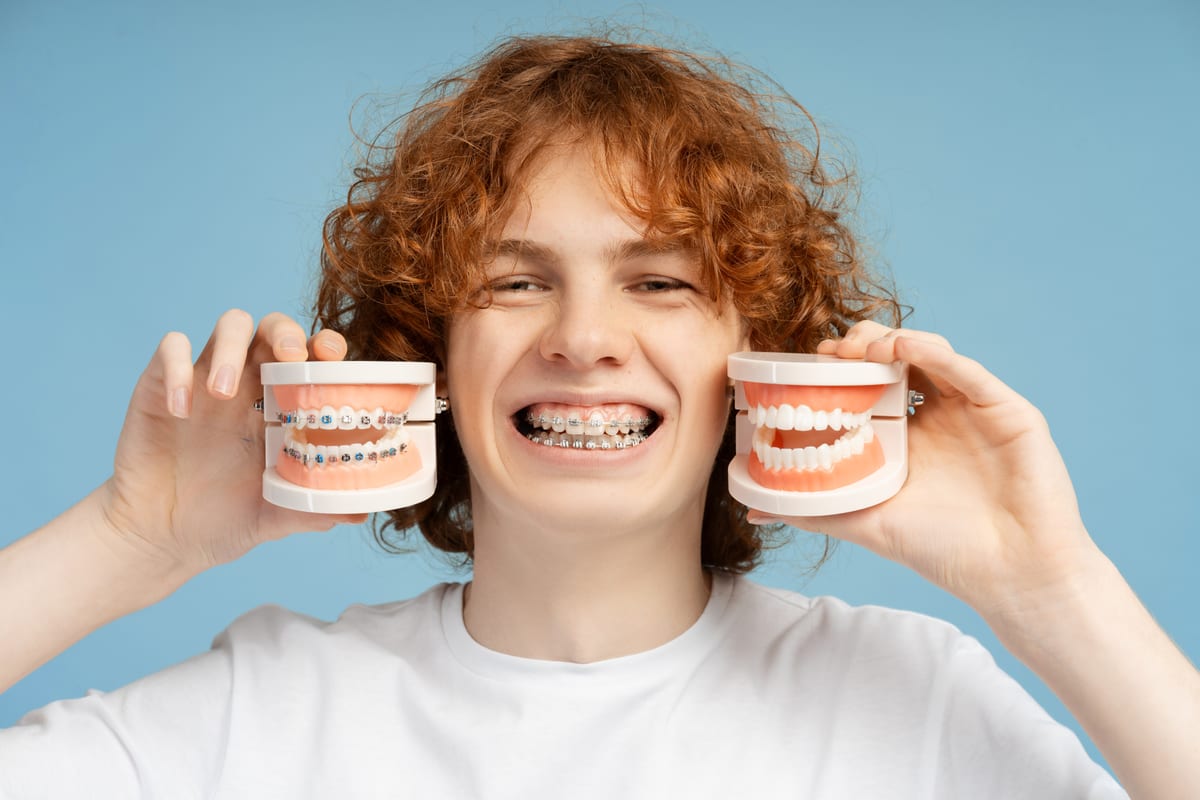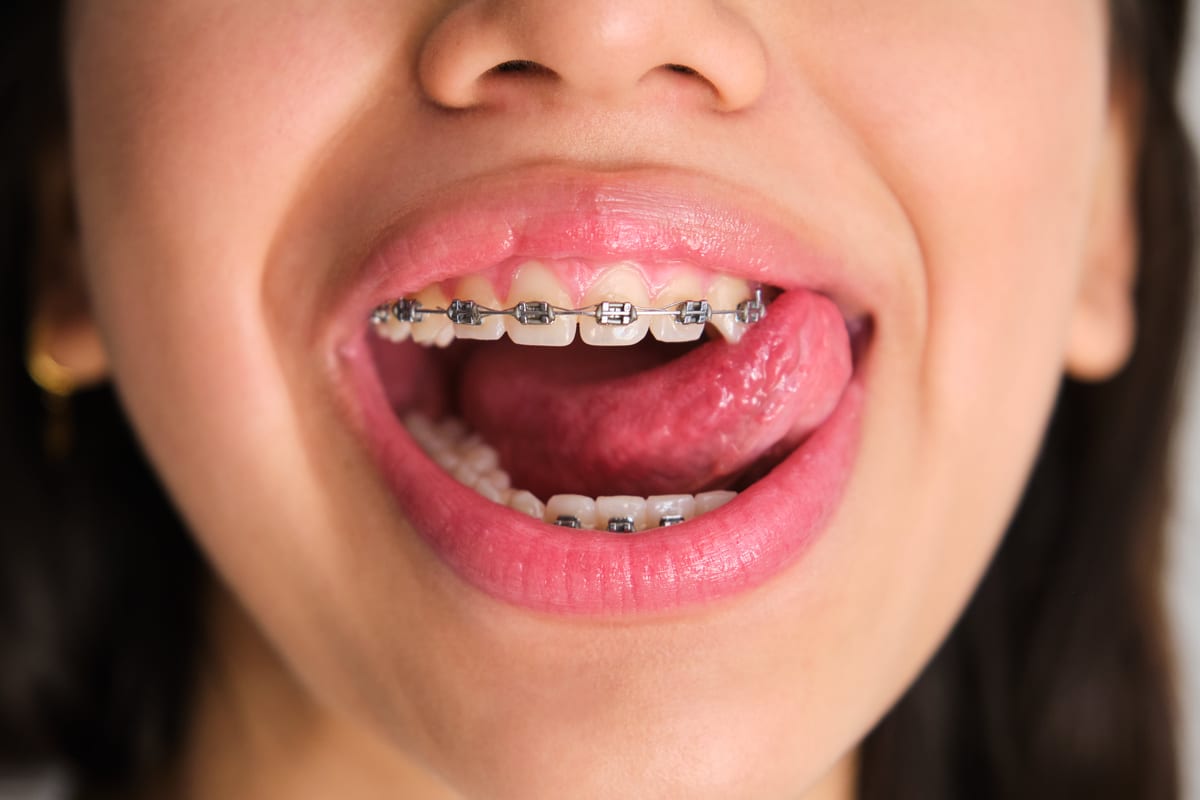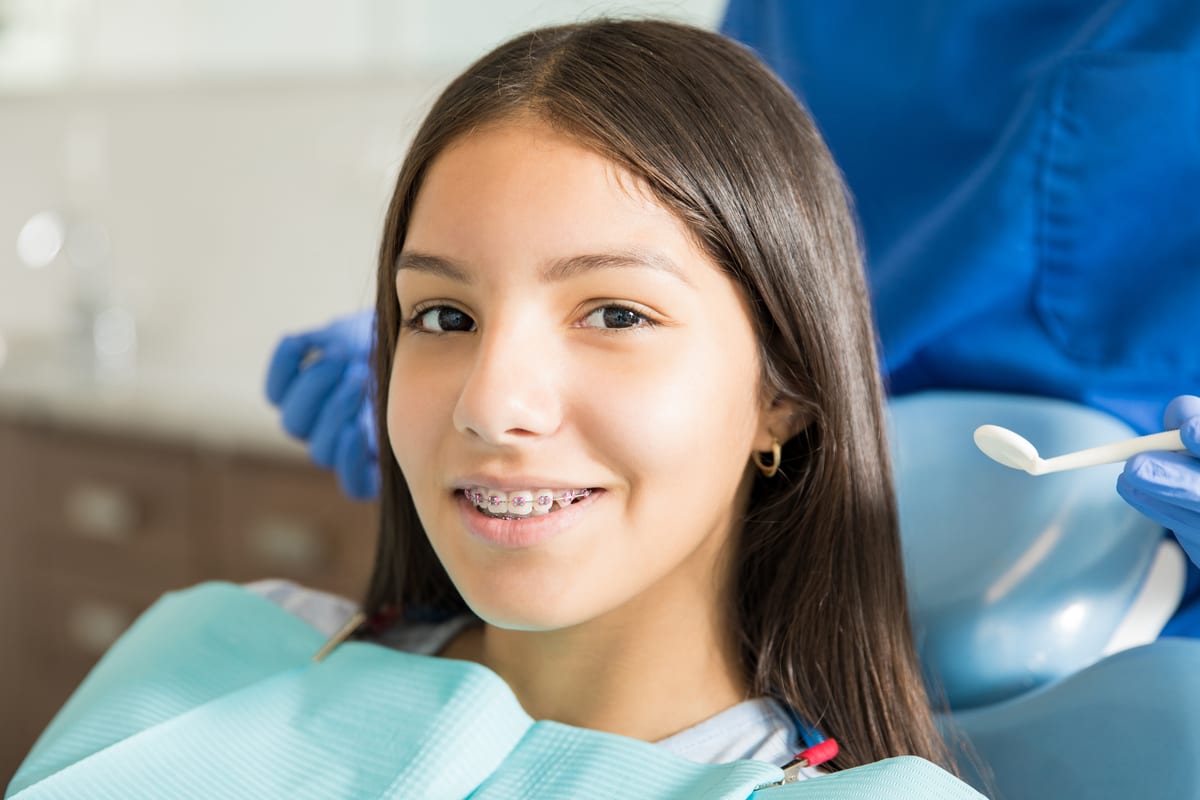
Many parents in Broken Arrow wonder if their teen’s crooked teeth are truly urgent. The answer is often yes. Choosing to act now can help you avoid costly jaw surgery later — and that’s exactly why teen braces matter so much at this stage of life. Early orthodontic treatment during the teenage years is one of the most powerful preventive tools available in modern dentistry.
At Emerson Orthodontics, we see families every week who waited too long. What started as a mild bite issue in adolescence became a serious structural problem in adulthood. Understanding the connection between timing and outcomes can save your teen years of discomfort and thousands of dollars in future treatment.
Why the Teenage Years Are the Ideal Treatment Window in Broken Arrow
Teens ages 11 to 17 are in a unique biological window. Their jawbones are still developing and highly responsive to guided orthodontic pressure. This means teeth move more predictably and efficiently during these years than at any other time.
Once skeletal growth is complete, correcting jaw misalignment becomes far more complex. Adults often require surgical intervention that could have been avoided entirely with timely teen treatment. Acting during adolescence is not just convenient — it is genuinely preventive medicine for your teen’s oral health.
Broken Arrow families an expert orthodontics for teens in Broken Arrow right here locally. You do not need to travel far to get world-class preventive orthodontic care for your child.
How Untreated Bite Problems Escalate Into Jaw Surgery
A bite that looks like a cosmetic concern rarely stays cosmetic. Overbites, underbites, and crossbites place uneven stress on the jaw joints over time. That stress accumulates — and eventually it becomes structural damage requiring surgical correction.
Common conditions that worsen without early treatment include:
- Skeletal open bite — upper and lower teeth that do not meet when the mouth closes
- Severe overbite — upper teeth that dramatically overlap lower teeth, straining jaw muscles
- Underbite — lower jaw protrudes forward, causing chewing and speech difficulties
- Crossbite — teeth that shift the jaw sideways during biting, wearing down enamel unevenly
- TMJ dysfunction — chronic jaw pain and clicking that develops from untreated misalignment
Each of these conditions is far more manageable with braces during the teen years. Waiting until adulthood often means combining orthodontics with oral surgery — a longer, more expensive, and more uncomfortable journey.
The Real Benefits of Teen Braces as a Preventive Strategy
Thinking about teen braces as prevention changes the entire conversation. This is not just about straighter teeth. It is about protecting your teen’s jaw health for decades to come.
Here are the core preventive benefits of treating teens now rather than later:
- Guides jaw growth in the correct direction while bones are still malleable
- Eliminates unhealthy bite patterns before they cause joint damage
- Reduces enamel wear caused by teeth grinding against each other incorrectly
- Prevents speech difficulties that worsen as jaw misalignment deepens
- Lowers lifetime dental costs by avoiding surgical procedures in adulthood
- Improves airway function in cases where crowding affects breathing patterns
These benefits go far beyond aesthetics. They reflect the genuine health outcomes that make early orthodontic treatment one of the smartest investments a Broken Arrow family can make.
Braces vs. Clear Aligners: Which Prevention Path Fits Your Teen?
Both traditional braces and clear aligners can deliver excellent preventive outcomes for teens. The right choice depends on the complexity of the bite issue and your teen’s lifestyle. Our team at Emerson Orthodontics evaluates each patient individually before recommending a path forward.
Traditional braces remain the gold standard for correcting moderate to severe jaw and bite issues. They offer precise control over tooth movement and bone response. Clear aligners work very well for teens with mild to moderate misalignment who are responsible about wearing them consistently.
The most important step is getting a proper evaluation early. Have questions about what treatment involves? Our Orthodontic FAQs Broken Arrow page answers many of the most common concerns parents and teens share before starting care.
What Broken Arrow Parents Should Watch For Right Now
You do not need to wait for a dentist to flag a concern. You can notice signs at home that suggest your teen may benefit from an orthodontic evaluation soon. Catching these early gives you and your orthodontist more treatment options.
Watch for these warning signs in your teen:
- Difficulty chewing or biting food comfortably
- Mouth breathing during sleep or rest
- Jaw clicking, popping, or soreness when opening or closing
- Visibly crowded, overlapping, or widely spaced teeth
- Upper and lower teeth that do not meet when your teen bites down
- Teeth that appear to be shifting or moving over time
If you notice one or more of these signs, schedule a consultation soon. Earlier evaluation leads to earlier intervention — and earlier intervention means better, simpler, less expensive outcomes for your family.
Start Prevention Today: What’s Your Next Step
The most important thing you can do for your teen’s long-term jaw health is act before problems become permanent. Emerson Orthodontics helps Broken Arrow families identify bite and alignment concerns early — and then address them during the optimal treatment window. Every month of delay is a month of continued jaw development happening without guidance.
Prevention is always more affordable and less invasive than correction. Teen braces are not just about a confident smile — they are about protecting your child from the surgeries, chronic pain, and compounding costs that untreated misalignment can cause in adulthood. We are here to walk your family through every step of the process with clarity, compassion, and clinical expertise. Book Now to schedule your appointment with our team.
Frequently Asked Questions
At what age should my teen start orthodontic treatment in Broken Arrow?
Most orthodontists recommend an evaluation by age 7, but active treatment often begins between ages 11 and 14. This window aligns with active jaw growth, making treatment more effective and reducing the likelihood of needing jaw surgery as an adult.
Can bite problems really lead to jaw surgery if left untreated?
Yes. Conditions like severe underbites, open bites, and crossbites can progress to the point where surgery is the only corrective option. Treating these issues during the teen years with braces typically prevents the need for surgical intervention later in life.
How long does teen orthodontic treatment usually take?
Treatment length varies depending on case complexity. Most teens complete treatment in 12 to 24 months. Starting earlier in the ideal window often results in shorter, smoother treatment timelines.
Is there a difference between teen braces and adult braces?
The mechanics are similar, but teen treatment tends to be faster and more effective because the jaw is still growing. Adult treatment often requires more time and may involve additional procedures if significant bone changes have already occurred.
What happens if we wait another year or two before starting?
Delaying treatment lets bite problems progress, and jaw growth continue in an uncorrected direction. What is treatable with braces alone during the teen years may require braces and surgery once skeletal growth is complete.