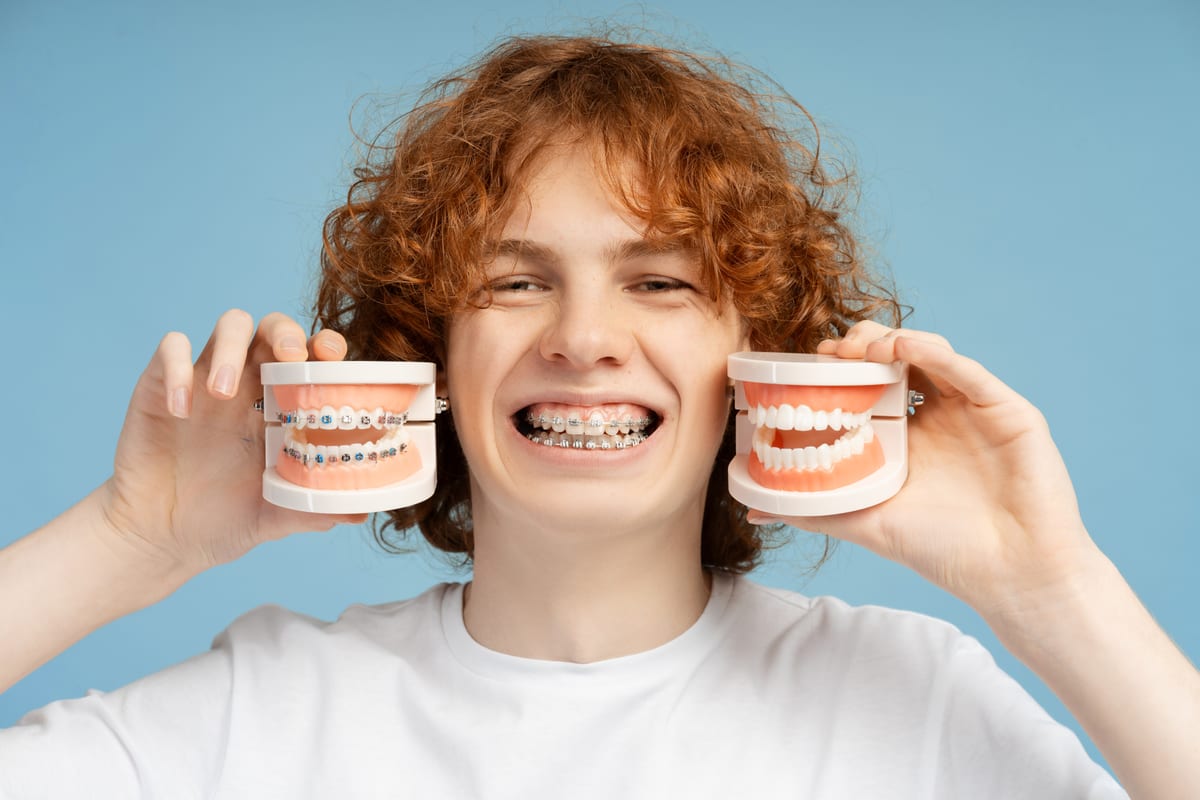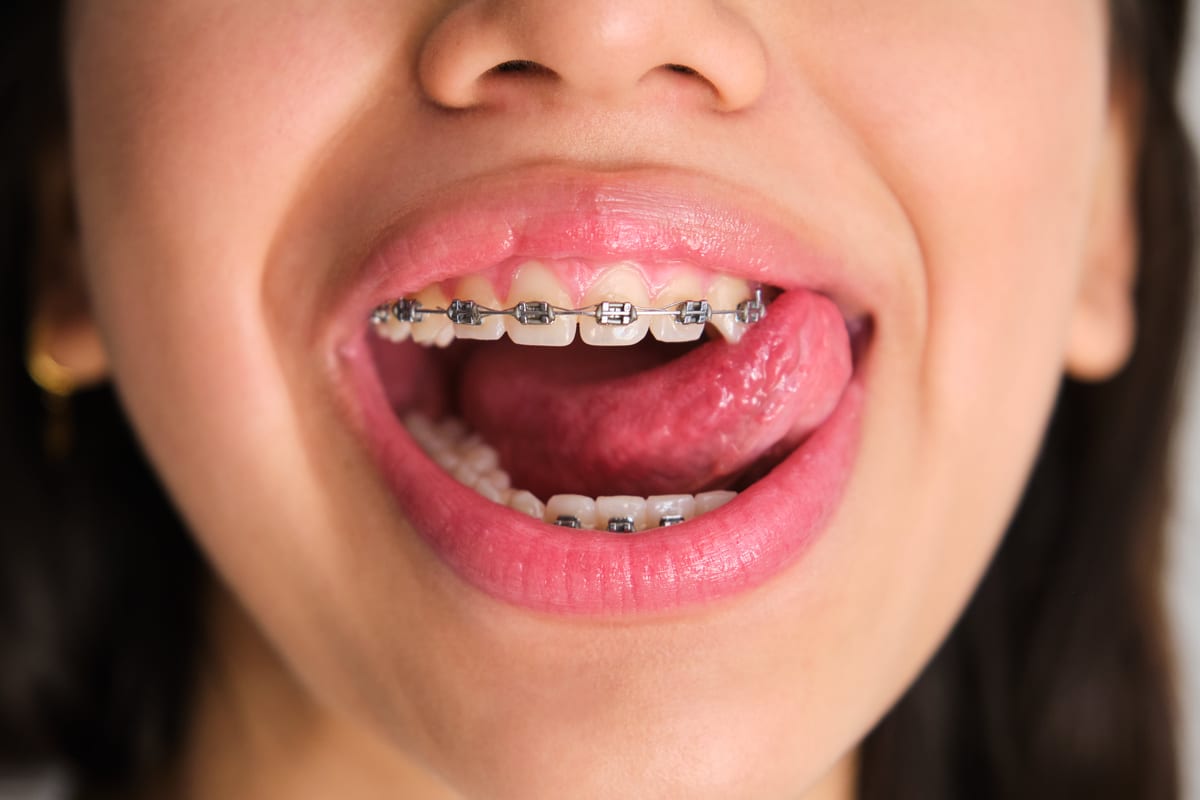
Many Broken Arrow parents ask the same question after their teen finishes orthodontic treatment: do these results actually last? It’s a fair concern, especially after months of adjustments, appointments, and effort. The truth is that braces results can last a lifetime — but only with the right habits afterward. Understanding what affects longevity helps you protect your teen’s new smile for years to come.
Parents searching to understand whether your teen’s braces results really last forever in Broken Arrow deserve a clear, honest answer. Results are durable, but they are not automatic. This guide breaks down what keeps a straightened smile aligned—and what puts it at risk.
Why Braces Results Don’t Always Stay Perfect
Teeth are not static. They shift throughout a person’s entire life, even after orthodontic treatment ends. This natural movement is called orthodontic relapse, and it affects patients of all ages. For teens, the risk can be slightly higher because their jaws are still developing.
Several factors contribute to relapse after braces come off. Skipping retainer wear is the number one cause of shifting. Wisdom teeth, jaw growth, and grinding habits also play a role. Understanding these triggers helps families in Broken Arrow take the right preventive steps early.
The good news is that relapse is largely preventable. Consistent retainer use and regular check-ins with your trusted Broken Arrow orthodontist make a significant difference. With the right support, most teens keep their results for decades.
The Most Important Factor: Wearing a Retainer Consistently
After braces are removed, your teen will receive a retainer. This device holds teeth in their new positions while surrounding tissues adapt. Skipping retainer wear — even for a few weeks — allows teeth to drift back toward their original positions.
Most orthodontists recommend full-time retainer wear for the first several months. After that, nightly wear becomes the long-term standard for most patients. Many adults who wore braces as teens still wear their retainers at night years later. That habit is what keeps their smiles straight.
- Wear the retainer as directed — full-time at first, then nightly
- Store it in its case when not in use to avoid loss or damage
- Clean it daily to prevent bacteria buildup
- Replace it promptly if it cracks, warps, or no longer fits properly
- Bring it to follow-up appointments so your orthodontist can check the fit
Never force a retainer that no longer fits correctly. Ill-fitting retainers can actually push teeth in the wrong direction. If your teen’s retainer feels tight or uncomfortable after a break, contact your orthodontist right away.
How Teens Can Extend the Life of Their Results
Beyond retainer use, daily habits play a major role in how long braces results last. Teeth respond to pressure over time, and certain habits apply consistent pressure in unwanted directions. Catching these early protects the alignment your teen worked hard to achieve.
Teens who grind their teeth at night, for example, put significant stress on their bite and alignment. A custom nightguard can help prevent this damage. Chewing on pens, nails, or hard foods also creates pressure that can gradually shift teeth.
- Avoid chewing on hard objects like ice, pens, or fingernails
- Address teeth grinding with a nightguard if recommended
- Maintain excellent oral hygiene to keep gum tissue healthy
- Attend all scheduled orthodontic follow-up visits
- Monitor wisdom tooth development with your dental provider
Gum health also matters more than most people realize. Healthy gum tissue supports stable tooth position. Teens who neglect brushing and flossing risk gum recession, which can allow teeth to shift unexpectedly over time.
Orthodontics For Teens: What Ongoing Care Looks Like
Finishing active orthodontic treatment is a milestone — but it is not the finish line. Long-term success requires a retention phase that can last for years. Orthodontics For Teens Broken Arrow at Emerson Orthodontics includes guidance through this entire phase, not just the braces period itself.
During the retention phase, your teen will attend periodic check-up visits. These appointments allow the orthodontist to confirm that teeth are holding their positions. They also provide an opportunity to replace worn retainers before shifting begins.
Some teens may benefit from a fixed or bonded retainer. This thin wire is attached to the back surfaces of the teeth. It requires no active effort from the patient and provides reliable, consistent retention over many years.
The key takeaway is that retention is not a one-time event. It is an ongoing commitment that evolves. Working with a trusted orthodontic team in Broken Arrow ensures your teen always has the right support at every stage.
When Results Shift: What to Do Next
Even with the best habits, some minor shifting can occur over time. This is normal and does not always require full retreatment. Catching small changes early is far easier — and less costly — than addressing significant relapse later.
If your teen notices that their teeth feel different or their retainer no longer fits, schedule an appointment promptly. Early intervention can often correct minor drift with a new retainer or a short course of clear aligners. Waiting too long can turn small problems into bigger ones.
You can find answers to common questions about retention and long-term care on our Orthodontic FAQs Broken Arrow page. It covers topics that many families have after treatment ends. Knowledge is one of the best tools for protecting a teen’s long-term smile.
The most important step is staying connected with your orthodontic provider. Open communication ensures small concerns get addressed before they become major issues. A strong relationship with your orthodontist helps keep results lasting.
Frequently Asked Questions
How long do braces results typically last for teenagers?
With consistent retainer use and good oral habits, braces results can last a lifetime. Most patients who follow their orthodontist’s retention guidelines maintain their results well into adulthood. Skipping retainer wear is the most common reason results fade over time.
What happens if my teen stops wearing their retainer?
Teeth naturally shift when retainer wear stops. Minor shifting can occur within weeks, while more significant drift may develop over months. If the retainer no longer fits after a gap in wear, your orthodontist should evaluate the situation before your teen tries forcing it back in.
Do wisdom teeth affect braces results in teens?
Wisdom teeth can exert pressure on surrounding teeth as they emerge, which may contribute to crowding. However, research is mixed on how directly they cause relapse. Your orthodontist will monitor wisdom tooth development and advise you on whether removal is recommended.
How often should my teen visit the orthodontist after braces are removed?
Most orthodontists recommend check-up visits every six to twelve months during the retention phase. These visits allow the provider to monitor tooth position and retainer fit. Over time, visits may become less frequent as results prove stable.
Can small shifts after braces be corrected without full retreatment?
Yes, in many cases, minor relapse can be addressed with a new retainer or a short course of clear aligners. The earlier the shift is caught, the simpler the correction tends to be. Scheduling a consultation as soon as you notice changes gives your teen the best chance of a great outcome.
Emerson Orthodontics is proud to support Broken Arrow teens and families through every phase of their orthodontic journey — from the first appointment to long-term retention. Protecting your teen’s smile is a team effort, and we are here for all of it. Book now to schedule your appointment with our team.