Have you ever looked in the mirror and noticed your once-straight teeth starting to shift? It’s a common frustration that leaves many wondering if their perfect smile is gone for good. The good news is that modern orthodontic solutions offer hope. This post explores how to address this issue, drawing from expert insights to help you regain confidence.
Understanding Orthodontic Relapse
Orthodontic relapse happens when teeth move back toward their original positions after treatment ends. This shift can occur gradually. Many adults experience it years later. Teeth are not fixed in place. They respond to daily pressures like chewing or tongue habits. Recognizing early signs helps. Crowding or gaps may appear. Bite changes can follow. Addressing it promptly prevents bigger problems.
Common Causes of Orthodontic Relapse
Several factors lead to teeth shifting. Not wearing retainers tops the list. Retainers hold teeth steady while bones stabilize. Skipping them allows movement. Natural aging plays a role too. Jaw changes over time. Grinding teeth adds stress. Gum issues weaken support. Wisdom teeth eruption crowds space. Habits like nail-biting contribute. Growth in teens can alter alignment. Awareness of these helps in prevention.
Signs You Might Be Experiencing Relapse
Spotting relapse early matters. Teeth may feel tighter. Gaps widen between front teeth. Your bite might not align properly. Discomfort when chewing signals change. Overlaps or rotations appear. If old issues return, take note. Regular self-checks help. Compare photos from post-treatment. Consult a professional if unsure. Quick action keeps corrections simple.
Can Braces Correct a Relapsed Smile?
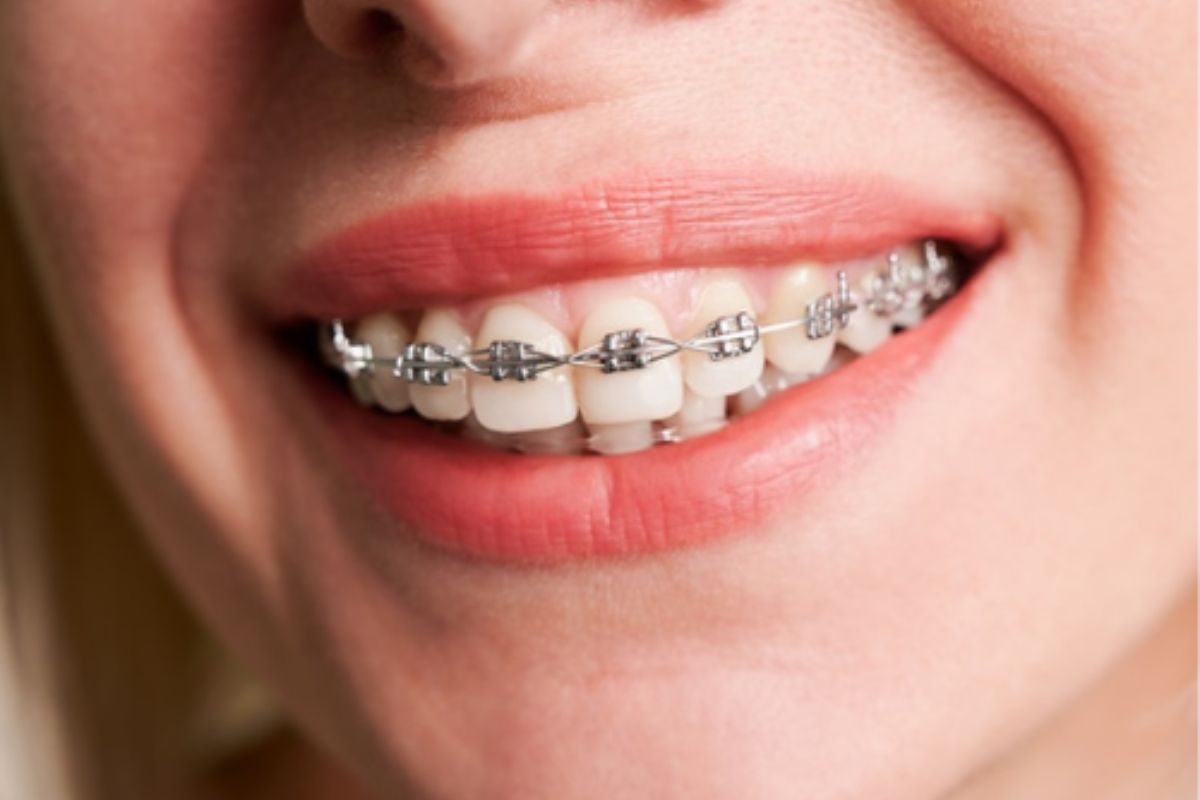
Yes, braces often fix relapsed smiles effectively. They apply gentle pressure to guide teeth back. Treatment time is usually shorter than the first round. Many see results in months. Options include traditional metal or clear types. These suit adults seeking discretion. Success depends on the relapse severity. Minor shifts need less intervention. Severe cases benefit from full correction. Braces restore function and aesthetics.
For those dealing with shifted teeth, exploring local options makes sense. If you’re in the area, braces in Broken Arrow, OK, provide reliable solutions tailored to individual needs. Experts assess your case thoroughly.
Alternative Treatments to Braces for Relapse
Braces aren’t the only choice. Clear aligners offer a removable option. They work well for mild to moderate shifts. New retainers correct minor movements. Fixed retainers bond behind teeth for stability. In some cases, monitoring suffices. Orthodontists recommend based on exams. Each method has pros. Aligners blend in daily life. Retainers prevent further drift. Choose what fits your lifestyle.
Preventing Orthodontic Relapse Long-Term
Prevention starts with commitment. Wear retainers as directed. Full-time initially, then nights. Schedule regular checkups. Maintain oral hygiene to avoid gum problems. Address grinding with guards. Extract wisdom teeth if needed. Break harmful habits early. Healthy diets support bone strength. Consistency pays off. Your smile stays aligned longer.
| Relapse Statistics | Percentage | Source Insight |
|---|---|---|
| Relapse without retainers | 70-90% | Studies show high risk if skipped |
| Minor shift in adults | 50% | Common over 10 years post-treatment |
| Prevention success with retainers | 95% | Consistent use reduces movement |
| Relapse due to grinding | 20-30% | Linked to bruxism habits |
Trending FAQs on Orthodontic Relapse
Here are some frequently asked questions based on common searches:
- What causes teeth to shift after braces? Teeth shift due to lack of retainer use, aging, or habits like grinding.
- How can I prevent orthodontic relapse? Wear retainers consistently and attend follow-up visits.
- Do I need braces again for relapsed teeth? Often yes, but treatment is shorter; alternatives like aligners may work.
- How long does relapse take to happen? It can start within months but often appears over years.
- Can wisdom teeth cause relapse? Yes, they may crowd existing teeth if space is limited.
When to Seek Help for Your Smile
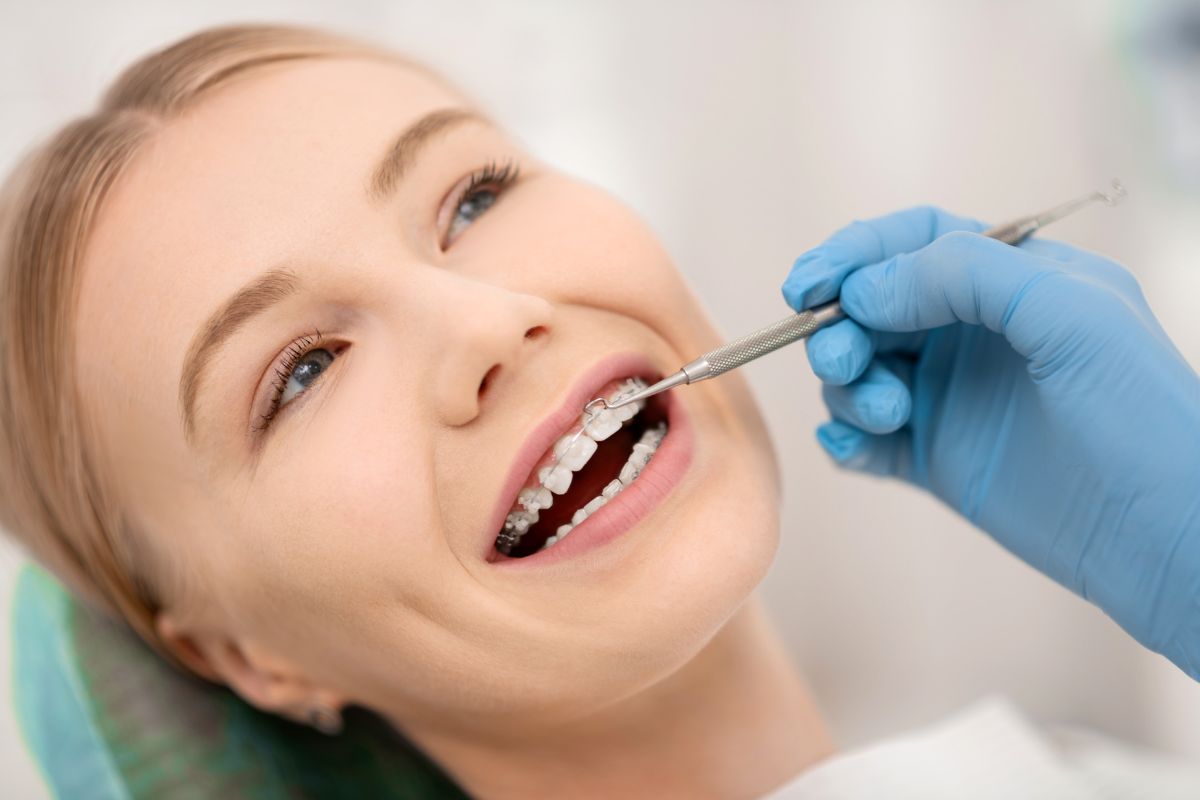
Don’t ignore shifting teeth. Early consultation catches issues fast. Orthodontists evaluate with scans. They explain options clearly. Acting soon avoids complex fixes. Your smile deserves attention.
If you are searching for an orthodontist near you, consider a local expert who understands relapse concerns. They guide you through personalized plans.
Living with a Confident Smile Post-Treatment
Embrace your journey to a lasting smile. With proper care, results endure. Feel empowered by knowledge. Share experiences with others facing similar issues.
Regaining a straight smile boosts self-esteem. It’s achievable with today’s advancements. Stay proactive for lifelong benefits.