Have you noticed gaps appearing between your teeth as you get older? It’s a common issue that can stem from various causes, including gum problems. Many adults worry about these spaces affecting their smile and confidence. The good news is that orthodontic options might help restore alignment. In this post, we’ll explore how gum issues lead to spacing and whether braces can play a role in fixing it. We’ll break down the facts to help you decide if this path is right for you.
Understanding Gum Disease and Its Impact on Teeth
Gum disease, also known as periodontitis, affects millions of people. It starts with plaque buildup that irritates the gums. Over time, this can lead to inflammation and infection. If left unchecked, it damages the bone and tissues holding teeth in place.
Adults are especially prone to this condition. Bacteria thrive in hard-to-clean areas, worsening the problem. Symptoms include swollen gums, bleeding during brushing, and bad breath. Advanced stages cause teeth to loosen or shift.
This shifting often creates unwanted spaces. Teeth move out of position due to weakened support. It’s not just cosmetic; it can make biting and chewing difficult.
What Causes Spacing from Gum Disease?
Spacing, or diastema, happens when gums recede and bone loss occurs. Periodontitis erodes the jawbone, allowing teeth to drift apart. This is common in adults over 30, where daily habits like poor brushing contribute.
Other factors include genetics and habits such as teeth grinding. Uneven pressure on teeth accelerates migration. In severe cases, spaces widen quickly, leading to more oral health challenges.
Recognizing early signs is key. Regular dental checkups spot issues before they escalate. Addressing gum health first prevents further spacing.
The Role of Braces in Addressing Dental Spacing
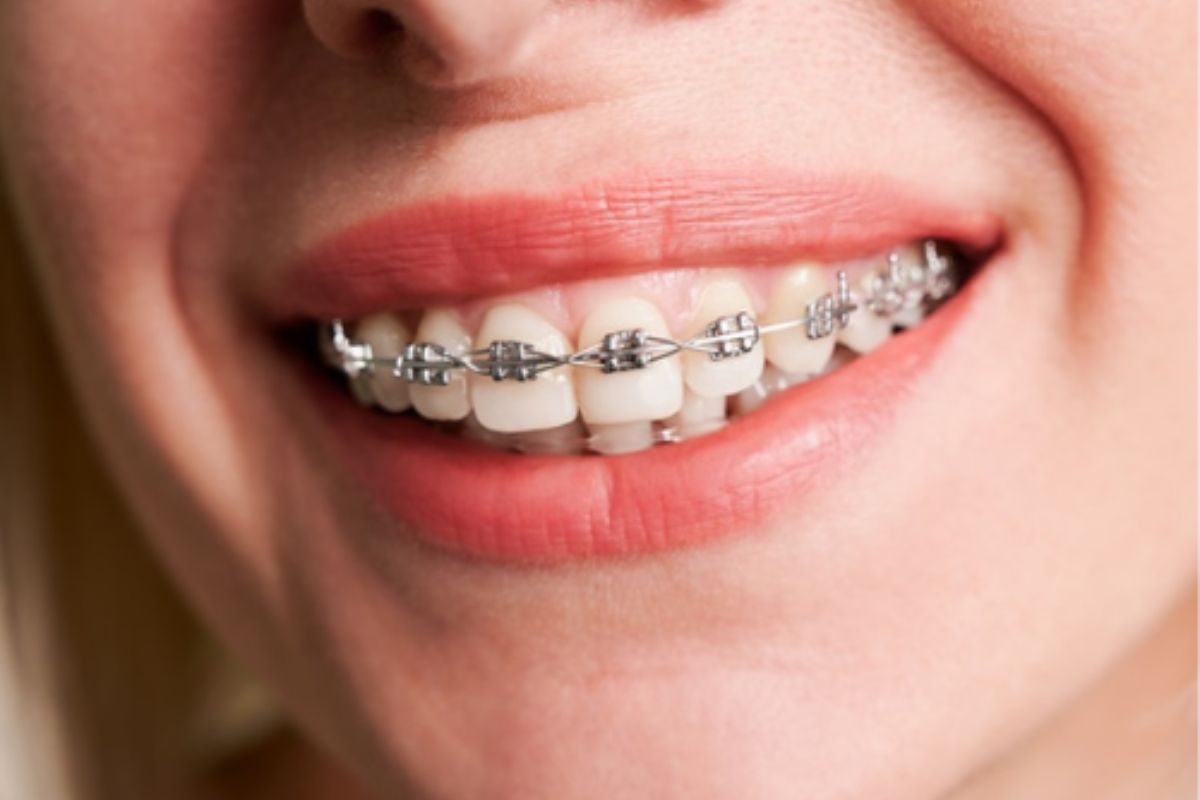
Braces apply gentle pressure to move teeth back into place. They can close gaps by guiding teeth together over time. For adults, this means a straighter smile and better function.
However, braces alone don’t cure gum disease. They work best after the condition is stabilized. Orthodontic treatment realigns teeth, making them easier to clean. This reduces plaque traps and supports long-term gum health.
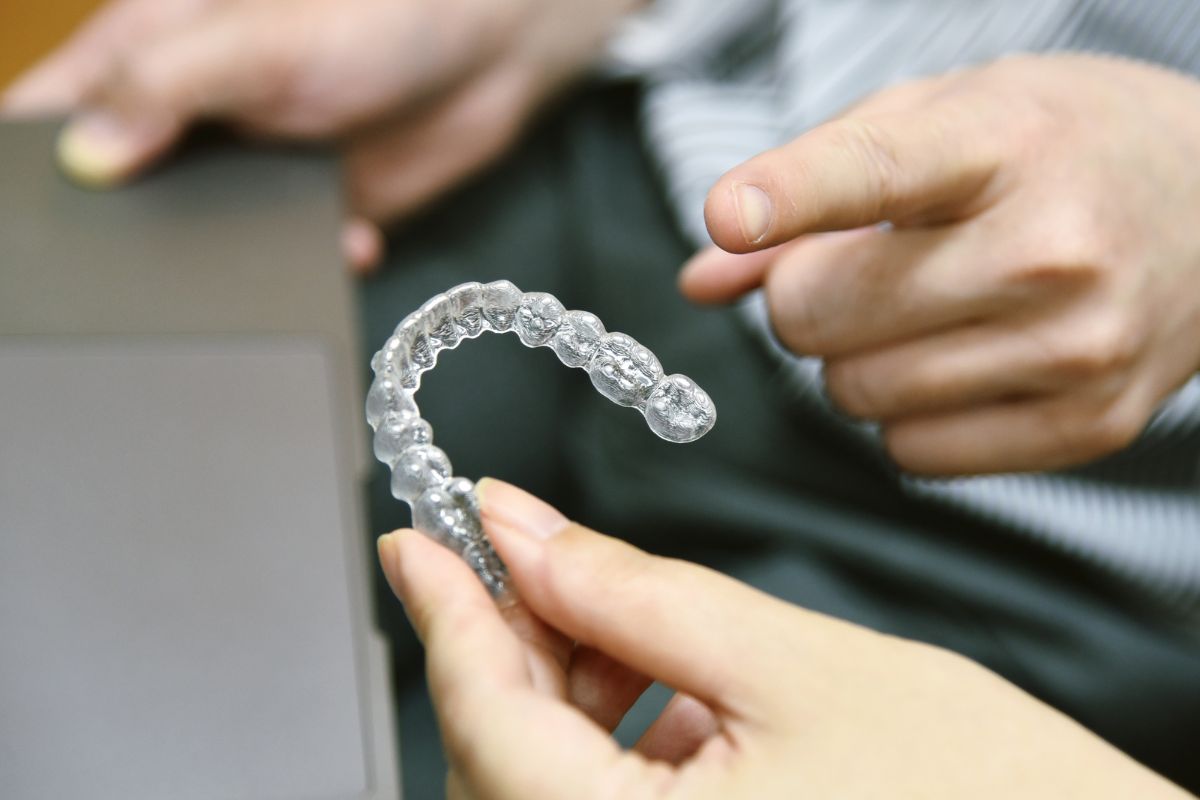
Options like clear aligners offer discreet alternatives. They achieve similar results without visible metal. Consult a specialist to see what fits your needs.
When Can Adults with Gum Disease Get Braces?
Timing is crucial. Active gum disease must be treated first. A periodontist cleans deep pockets and removes infection. Once stable, braces become an option.
Studies show that controlled periodontitis allows safe orthodontic work. Bone health improves with alignment, preventing future issues. Adults with mild cases often see great results.
Monitor progress closely. Regular visits ensure gums stay healthy during treatment. This approach minimizes risks and maximizes benefits.
If you’re exploring adult braces in Broken Arrow, OK, local experts emphasize thorough evaluations. They assess gum status to tailor plans effectively.
Benefits of Orthodontic Treatment for Adults
Straight teeth boost self-esteem. Adults report feeling more confident in social settings. Beyond looks, alignment aids proper chewing and speech.
It also lowers cavity risk. Even spacing lets floss reach everywhere. This fights bacteria that cause decay and gum issues.
Research links ortho care to better overall health. Aligned bites reduce jaw strain and headaches. For those with past gum problems, it promotes stability.
Many adults choose treatment later in life. Advances make it comfortable and quick. Results last with good habits.
Trending FAQs on Braces and Gum Disease
People often search for answers on this topic. Here are some trending frequently asked questions based on common Google queries, with straightforward responses.
- Can I get braces if I have gum disease? Yes, but only after the disease is under control. Treat inflammation first to avoid complications during alignment.
- Do braces make gum disease worse? Not if hygiene is maintained. Braces can trap food, so extra care like using interdental brushes helps prevent issues.
- How long does treatment take for adults with spacing from gum disease? It varies, but typically 12 to 24 months. Factors include severity and compliance with care routines.
- Can braces prevent further gum disease? They help by improving tooth positions for better cleaning. This reduces plaque buildup and supports gum recovery.
- What if my gums recede during braces? Monitor closely with your specialist. Adjustments or pauses may be needed to protect tissue health.
These address key concerns and highlight the importance of professional guidance.
Key Statistics on Gum Disease and Orthodontic Needs
Here’s a quick table with relevant stats to show the scope of the issue.
| Statistic | Detail | Source Insight |
|---|---|---|
| Prevalence of Periodontitis | 42% of adults aged 30+ in the U.S. | CDC data shows it’s common and increases with age. |
| Severe Cases in Older Adults | Up to 70% in those over 65. | Highlights why adults seek ortho for related spacing. |
| Pathologic Tooth Migration | 74% in maxillary teeth for stage III-IV periodontitis. | Indicates high need for alignment to fix shifts. |
| Orthodontic Need in Severe Cases | 66% of affected patients. | Supports braces as a solution post-stabilization. |
These numbers underscore why addressing gum health and spacing matters.
Steps to Take If You’re Considering Braces
Start with a full dental exam. Discuss your history and goals. A specialist evaluates bone and gum condition.
Follow recommended treatments to heal gums. This might include scaling or antibiotics. Once cleared, select your brace type.
During treatment, brush twice daily and floss carefully. Use tools like water flossers for better reach. Attend all adjustments.
Stay consistent for optimal results. Healthy habits extend benefits long after braces come off.
If you are searching for an orthodontist near you, consider one experienced in adult cases. They can guide you through this process smoothly.
Track your progress. Photos and notes help see improvements. Celebrate small wins along the way.
Maintaining Your Smile Post-Treatment
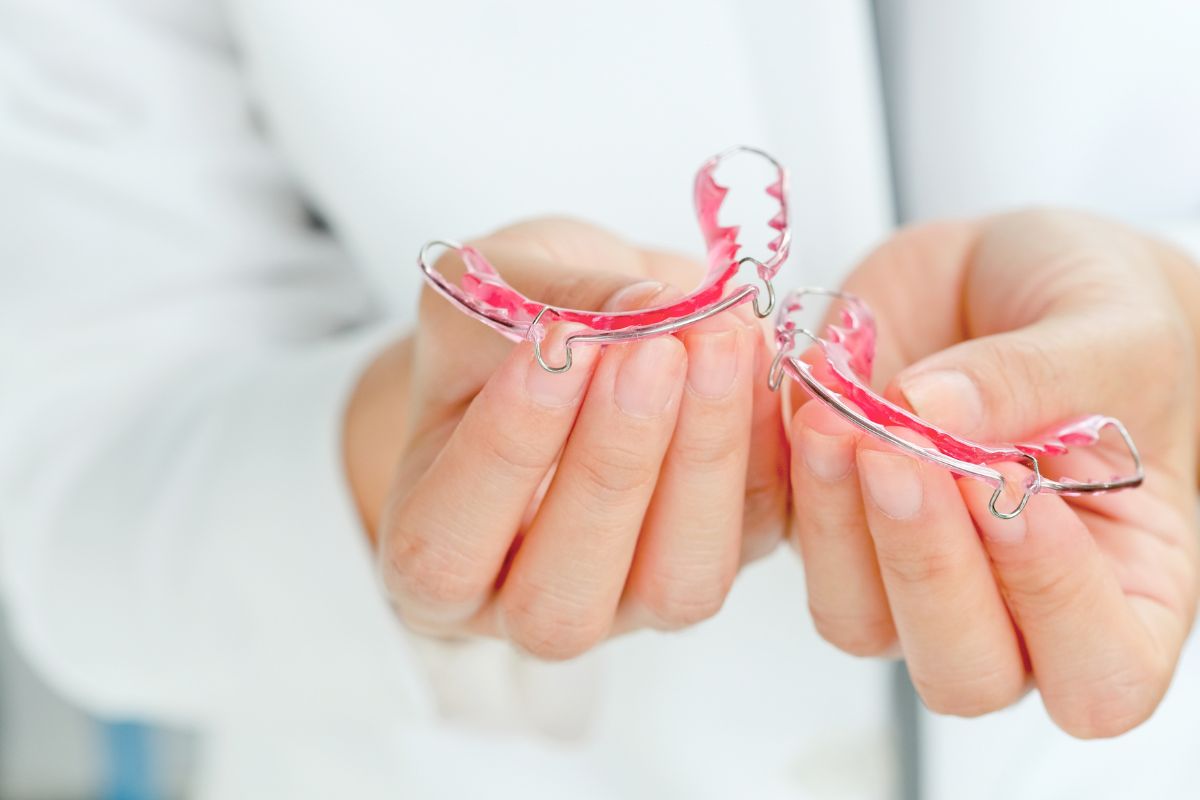
Retainers keep teeth in place. Wear them as directed to prevent relapse. Continue regular cleanings.
Watch for gum changes. Early intervention stops problems. A balanced diet supports oral health too.
With care, your smile stays vibrant. Many adults enjoy lasting results from this investment.
Dealing with spacing from gum disease doesn’t have to be overwhelming. Options like braces offer hope for a healthier, more aligned smile. Take that first step toward consultation. You’ll gain insights tailored to your situation. Remember, a confident grin enhances everyday life. Stay proactive about your oral health for the best outcomes.