Have you been told that your teeth need more than a simple alignment correction? Perhaps you have severe crowding, a noticeable overbite, an underbite, or teeth that do not meet properly when you bite down. If you are considering orthodontic treatment in Broken Arrow, OK, one important question may be whether traditional braces or clear aligners can deliver the results you need.
Both options can straighten teeth and improve bite alignment, but they don’t work equally well for every orthodontic problem. Clear aligners offer convenience and a discreet appearance, while traditional braces provide orthodontists with consistent control over individual tooth movements. When several dental concerns occur together, selecting the right appliance becomes particularly important.
So, are braces better than clear aligners for complex orthodontic problems? In many challenging cases, traditional braces may offer greater control and predictability. However, advances in clear aligner technology have expanded the types of cases that can be treated with removable appliances.
At Emerson Orthodontics, Dr. Clinton Emerson helps patients understand their orthodontic options based on their dental condition, bite alignment, and treatment goals. Whether you are exploring braces for the first time or wondering if clear aligners can correct a complicated bite, understanding the differences can help you make a more informed decision.
What Are Complex Orthodontic Problems?
Complex orthodontic problems involve more than slightly crooked or crowded teeth. They may include several alignment and bite irregularities that require carefully coordinated tooth movements.
Some common examples include:
- Severe crowding: Multiple teeth overlap or lack sufficient space to sit in their intended positions.
- Significant overbite: The upper front teeth overlap the lower front teeth excessively.
- Underbite: The lower front teeth sit in front of the upper front teeth.
- Crossbite: Some upper teeth bite inside the lower teeth rather than outside them.
- Open bite: The upper and lower front teeth do not meet when the back teeth are together.
- Large gaps: Noticeable spaces exist between multiple teeth.
- Rotated teeth: Certain teeth are twisted out of their normal alignment.
- Extraction-based treatment needs: Removing selected teeth may be necessary to create space for proper alignment.
These conditions can affect chewing, speech, tooth wear, and overall dental function.
The American Association of Orthodontists (AAO) recognizes that orthodontic treatment addresses a wide range of bite and alignment problems. The appropriate appliance depends on the type and severity of the malocclusion.
How Do Traditional Braces Correct Complex Orthodontic Problems?
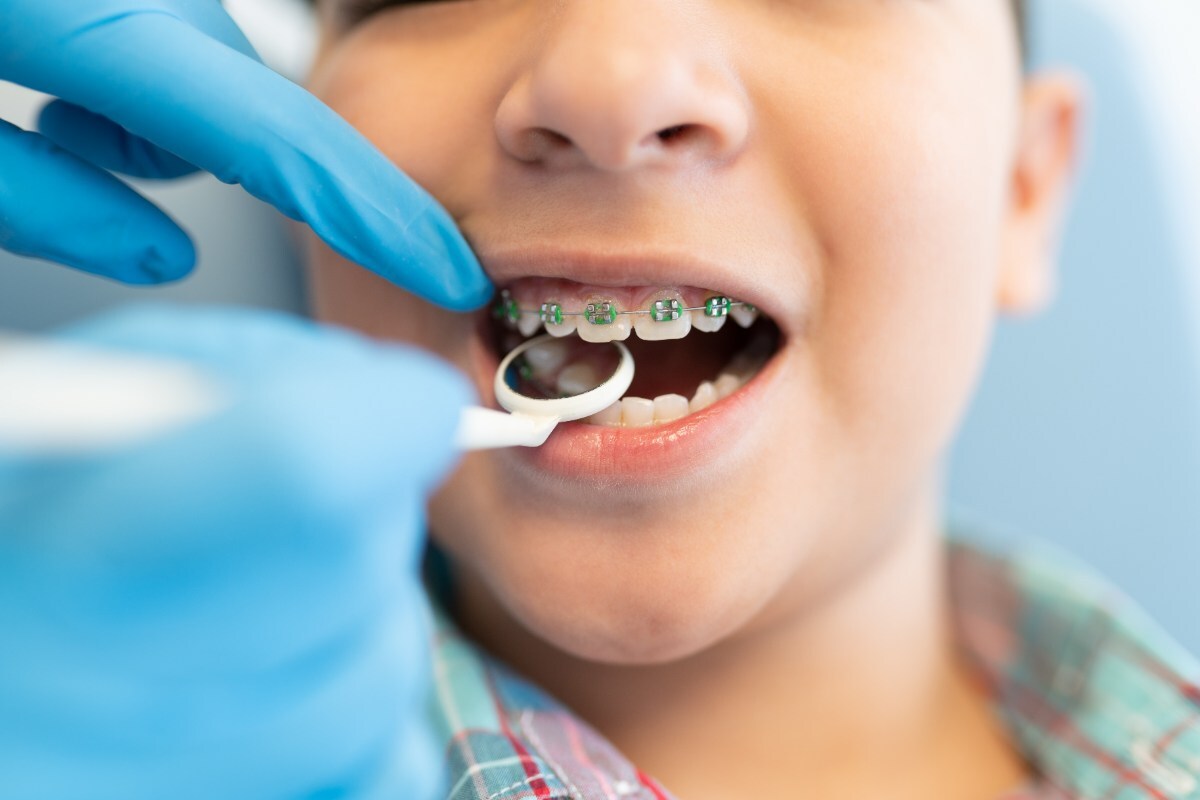
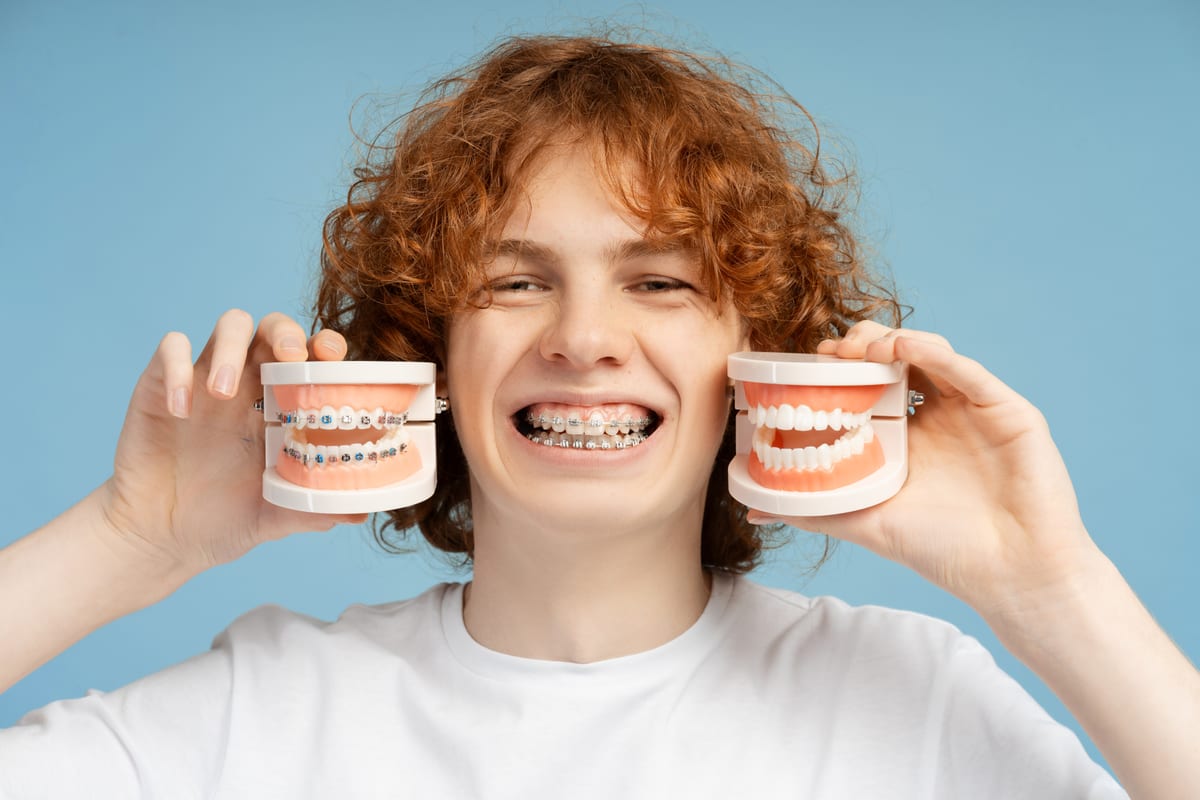
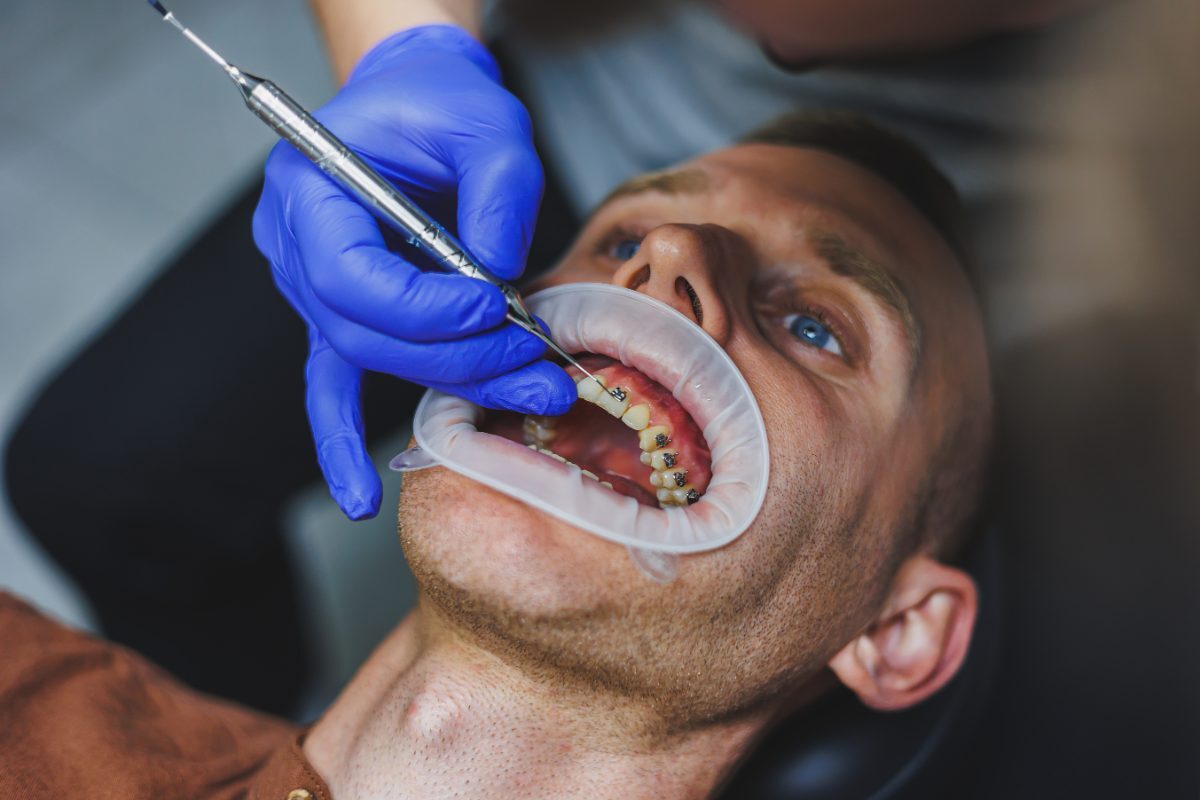
Traditional braces use brackets attached to the teeth and connected by orthodontic wires. The wires apply controlled forces that gradually guide teeth into their planned positions.
Orthodontists can adjust these forces throughout treatment to address individual alignment concerns.
Here is why braces are frequently recommended for complicated cases.
1. Greater Control Over Individual Tooth Movement
Complex orthodontic cases often require several types of tooth movement, including rotation, tipping, intrusion, and extrusion.
Braces let the orthodontist control these movements by adjusting the wires, brackets, and additional components.
This is especially useful when multiple teeth need coordinated movement.
2. Effective Bite Correction
Correcting an overbite, underbite, crossbite, or open bite may require more than straightening the visible front teeth.
Traditional braces can be combined with elastics and other orthodontic appliances to help improve the relationship between the upper and lower jaws.
The AAO notes that fixed braces can address a broad range of malocclusions, including severe bite irregularities.
3. Continuous Treatment
Braces remain attached to your teeth throughout active treatment. Unlike removable aligners, they do not depend on patients remembering to insert them after meals.
This can be an advantage for patients who may have difficulty maintaining the daily wearing schedule required for clear aligners.
4. Support for Extraction-Based Treatment
Some patients with severe crowding require tooth extraction to create enough room for alignment.
Closing extraction spaces while maintaining appropriate tooth positions requires careful orthodontic control. Braces provide predictable mechanics to coordinate these movements.
How Do Clear Aligners Work?
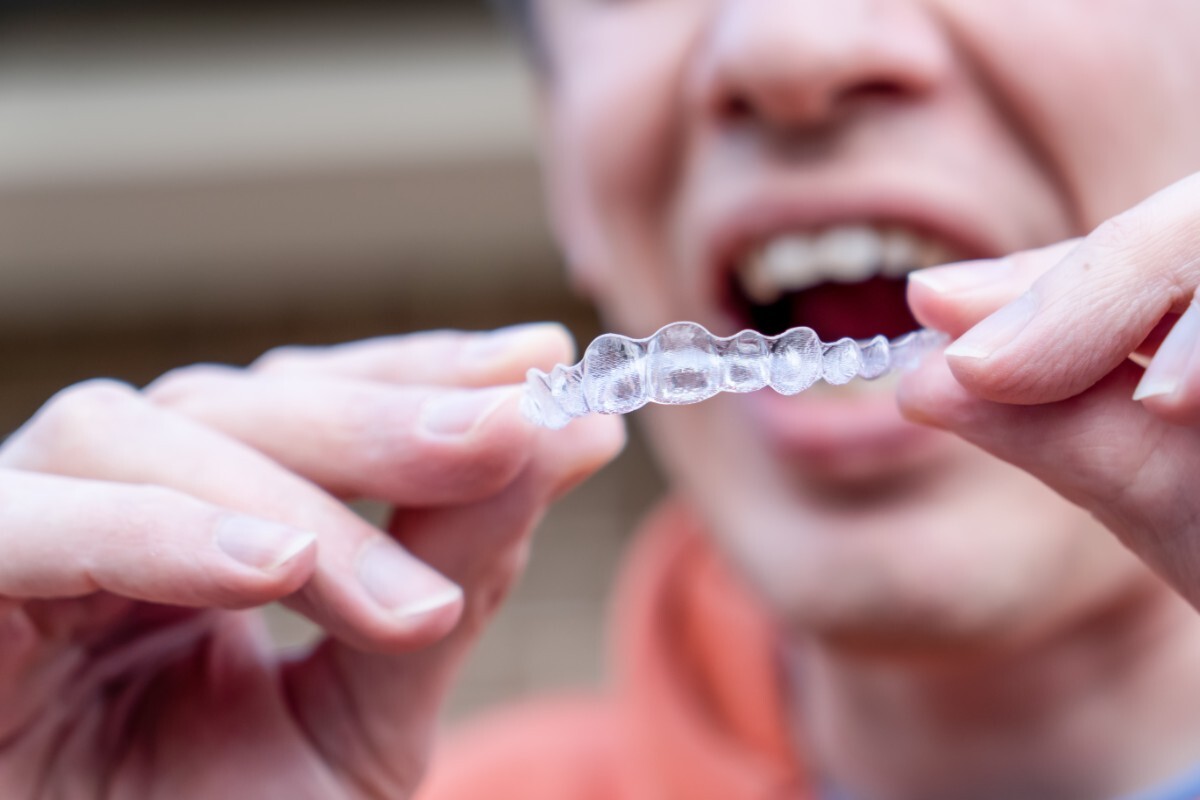
Clear aligners are removable, transparent plastic trays designed to move teeth through a series of planned stages.
Each tray is slightly different from the previous one. As patients progress through their aligner series, their teeth gradually move toward the desired positions.
Clear aligners in Broken Arrow offer several advantages.
Discreet appearance: Their transparent material makes them less noticeable than conventional metal braces.
Removability: Patients can remove the trays while eating, drinking anything other than water, brushing, and flossing.
Convenient oral hygiene: Without brackets and wires, brushing and flossing can be easier.
Digital treatment planning: Digital scans and treatment-planning software help orthodontists map the intended movement of teeth throughout the aligner sequence.
However, clear aligners must be worn consistently. Many treatment plans recommend approximately 20–22 hours of daily wear, although the exact instructions depend on the patient’s case and orthodontist.
Patients must also keep track of their trays, clean them properly, and change them according to the prescribed schedule.
Are Braces More Effective Than Clear Aligners for Complex Cases?
For many complicated orthodontic problems, traditional braces offer advantages because they provide greater mechanical control over tooth movement.
However, it would be inaccurate to say that clear aligners cannot treat complex cases. Their capabilities have improved, and some patients with significant orthodontic concerns may be suitable candidates.
A 2025 systematic review and meta-analysis published in the European Journal of Orthodontics evaluated 15 clinical trials involving 1,084 patients. The researchers found no significant differences in treatment quality or duration between clear aligners and fixed appliances in non-extraction cases. However, fixed appliances showed advantages in extraction cases, particularly because they offer greater control over tooth movement. The authors also emphasized that treatment complexity and patient compliance should guide appliance selection.
Another 2025 systematic review published in the Journal of Evidence-Based Dental Practice examined randomized controlled trials comparing clear aligners with fixed appliances. It found that both approaches performed well for simple, non-extraction malocclusions. However, the overall quality of evidence was low, and further high-quality research was needed to establish the effectiveness of clear aligners in complex cases.
These findings suggest that the best treatment is not determined by appearance or convenience alone. The type of tooth movement required is an important consideration.
Braces vs. Clear Aligners: Key Differences
Understanding the practical differences between these treatments can help you prepare for an orthodontic consultation.
| Treatment factor | Traditional braces | Clear aligners |
| Appearance | Visible brackets and wires | Nearly transparent trays |
| Removability | Fixed to teeth | Removable |
| Complex tooth movement | Strong control for many difficult movements | Case-dependent |
| Eating | Certain hard and sticky foods should be avoided | Remove before meals |
| Oral hygiene | Requires careful cleaning around brackets | Easier brushing and flossing |
| Daily compliance | Appliance remains attached | Requires consistent wear |
| Adjustments | Orthodontist adjusts appliance | New trays are provided according to plan |
| Lost appliance risk | Individual brackets or wires may break | Trays can be misplaced or damaged |
Neither option is automatically superior for every patient. The treatment decision should reflect the case’s clinical requirements.
When Are Traditional Braces the Better Choice?
Although clear aligners can address many alignment problems, traditional braces may be better when a patient needs extensive or complex tooth movement.
Severe Crowding
When several teeth overlap significantly, the orthodontist may need to create space, coordinate tooth positions, and correct rotations.
Braces provide continuous control during these movements and can be useful when crowding is associated with additional bite problems.
Significant Bite Problems
Patients with pronounced overbites, underbites, crossbites, or open bites may need coordinated treatment involving multiple teeth.
Braces can be combined with elastics and other appliances to help achieve the desired bite relationship.
Teeth Requiring Significant Rotation
Some rotated teeth can be difficult to move predictably with removable aligners alone.
Traditional braces offer additional mechanical options for controlling rotation and positioning.
Extraction-Based Orthodontic Treatment
When teeth need to be removed to create space, the remaining teeth must be moved carefully into the available areas.
A 2023 systematic review published in Cureus, examining six studies involving 283 patients with premolar extraction cases, found that both fixed appliances and clear aligners could be effective. However, fixed appliances showed advantages in certain aspects of tooth positioning and occlusal contact and were associated with shorter treatment duration in the reviewed extraction-based cases.
This does not mean aligners are unsuitable for every extraction case. It means the orthodontist must evaluate the movements required before selecting an appliance.
When Can Clear Aligners Be Effective?
Clear aligners may be an appropriate option for patients with mild to moderate orthodontic problems and selected more complicated cases.
They can be useful for:
- Mild to moderate crowding.
- Small gaps between teeth.
- Certain overbite and underbite corrections.
- Selected crossbite cases.
- Some cases involving rotated teeth.
- Patients who prefer removable orthodontic appliances.
Modern aligner systems may incorporate attachments, elastics, and other techniques to improve control over tooth movement.
Nevertheless, aligners alone cannot manage every complicated case. Some patients may need additional appliances or a different treatment approach.
An orthodontic examination is necessary to determine whether removable aligners can achieve the intended results.
Does Patient Compliance Affect Orthodontic Treatment Results?
Yes. Patient cooperation is an important factor in both treatment approaches, but it plays a particularly significant role with clear aligners.
Because aligners are removable, patients must wear them for the recommended hours each day. Forgetting to put them back after meals or leaving them out for extended periods can interfere with planned tooth movements.
For example, a patient who regularly wears aligners for fewer hours than prescribed may notice the next tray doesn’t fit properly.
Traditional braces do not require the same daily insertion routine, but patients still need to follow dietary recommendations, maintain good oral hygiene, and attend scheduled appointments.
The 2025 meta-analysis involving 1,084 patients also identified patient compliance and case complexity as important considerations when comparing fixed appliances and clear aligners.
Regardless of the appliance, following your orthodontist’s instructions is essential for achieving predictable results.
How Long Does Treatment Take With Braces or Clear Aligners?
Treatment duration depends on the complexity of the orthodontic problem, the amount of tooth movement required, patient cooperation, and the biological response of the teeth and supporting tissues.
Mild alignment concerns may require less time than cases involving severe crowding, extraction spaces, or significant bite corrections.
A patient with complicated orthodontic problems may need a longer treatment period regardless of whether braces or clear aligners are selected.
Switching to a more convenient appliance does not necessarily shorten treatment.
Your orthodontist may recommend additional appointments, refinements, or adjustments depending on how your teeth respond.
During your consultation, ask about the estimated treatment timeline, expected milestones, and factors that could affect completion.
How Can Emerson Orthodontics Help You Choose the Right Treatment?
Choosing between traditional braces and clear aligners requires an understanding of your individual orthodontic needs.
At Emerson Orthodontics, Dr. Clinton Emerson can help patients explore appropriate treatment options based on their tooth alignment, bite relationship, and treatment goals.
An orthodontic evaluation may include an exam of your teeth and bite, a review of your dental history, and diagnostic records such as photographs, digital scans, or X-rays when indicated.
This information helps determine whether braces, clear aligners, or a combination of orthodontic techniques may be appropriate.
Patients in Broken Arrow, OK, can discuss concerns such as crowded teeth, bite irregularities, spacing, and other alignment problems during an orthodontic consultation.
Rather than choosing treatment based only on appearance, consider which option best addresses your specific orthodontic needs effectively and safely.
Conclusion
Are braces better than clear aligners for complex orthodontic problems? In many cases, traditional braces offer greater control over challenging tooth movements, severe crowding, extraction spaces, and significant bite corrections. However, modern clear aligners can also address a wider range of orthodontic concerns than many patients realize.
The right choice depends on your dental condition, treatment complexity, lifestyle, and ability to follow your orthodontist’s instructions. Both options can produce meaningful improvements when selected appropriately and monitored carefully.
At Emerson Orthodontics, Dr. Clinton Emerson can help you understand the advantages and limitations of different orthodontic treatments. Visit our dental practice in Broken Arrow, OK. Book now to schedule your appointment with our team and discuss the best approach for your orthodontic needs.
Frequently Asked Questions
1. What orthodontic services can I discuss during my consultation?
You can discuss concerns involving crooked teeth, crowded teeth, spacing, bite irregularities, and overall tooth alignment. Our dentist can evaluate your needs and explain the appropriate treatment options.
2. What happens during my first orthodontic appointment?
Your first appointment generally includes a discussion of your dental history, concerns, and treatment goals. Our dentist may examine your teeth and bite and recommend diagnostic records to develop an appropriate treatment plan.
3. Can adults receive orthodontic treatment?
Yes. Adults can benefit from orthodontic treatment to address crowding, spacing, crooked teeth, and bite problems. Our dentist can evaluate your oral condition and explain which options may be appropriate.
4. How often should I schedule orthodontic appointments?
Appointment frequency depends on your treatment type and individual progress. Our dentist can recommend an appropriate follow-up schedule to monitor tooth movement and make necessary adjustments.
5. How can I maintain good oral hygiene during orthodontic treatment?
Brush twice daily with fluoride toothpaste, clean between your teeth every day, and follow your orthodontist’s appliance-care instructions. Our dentist can recommend appropriate cleaning techniques and products to help keep your teeth and gums healthy during treatment.