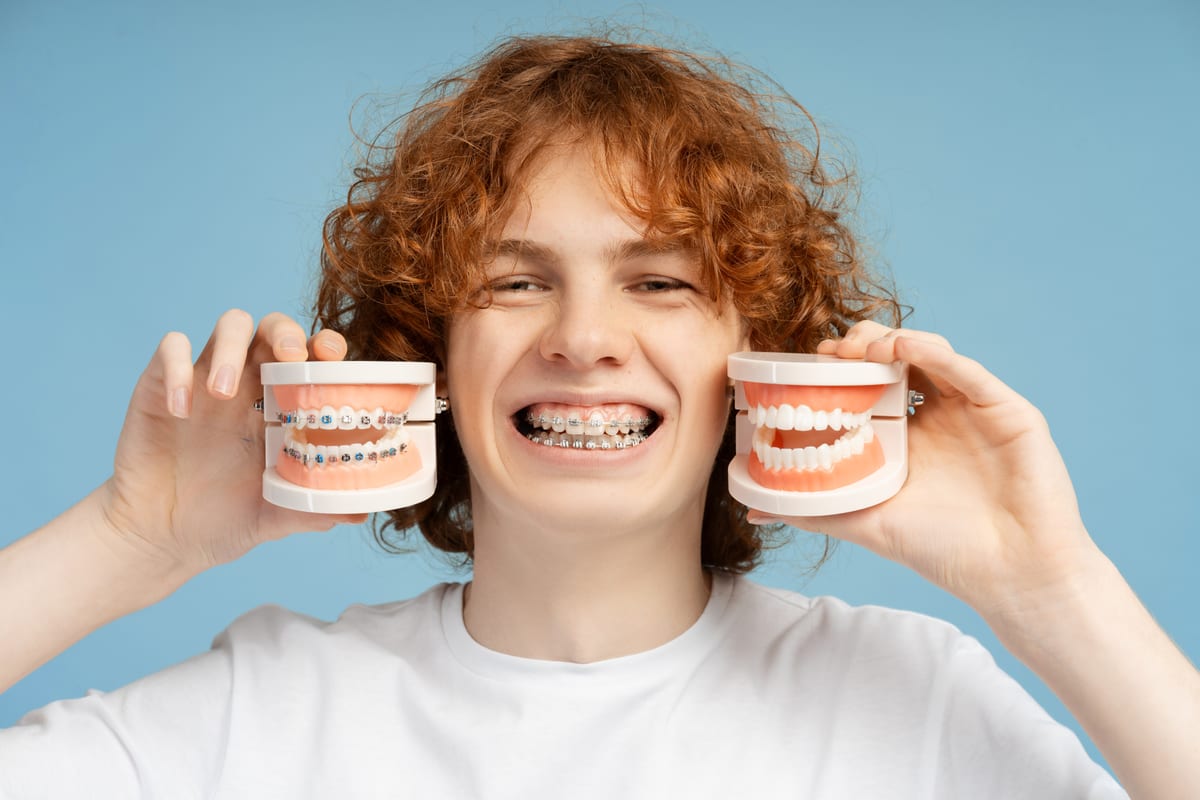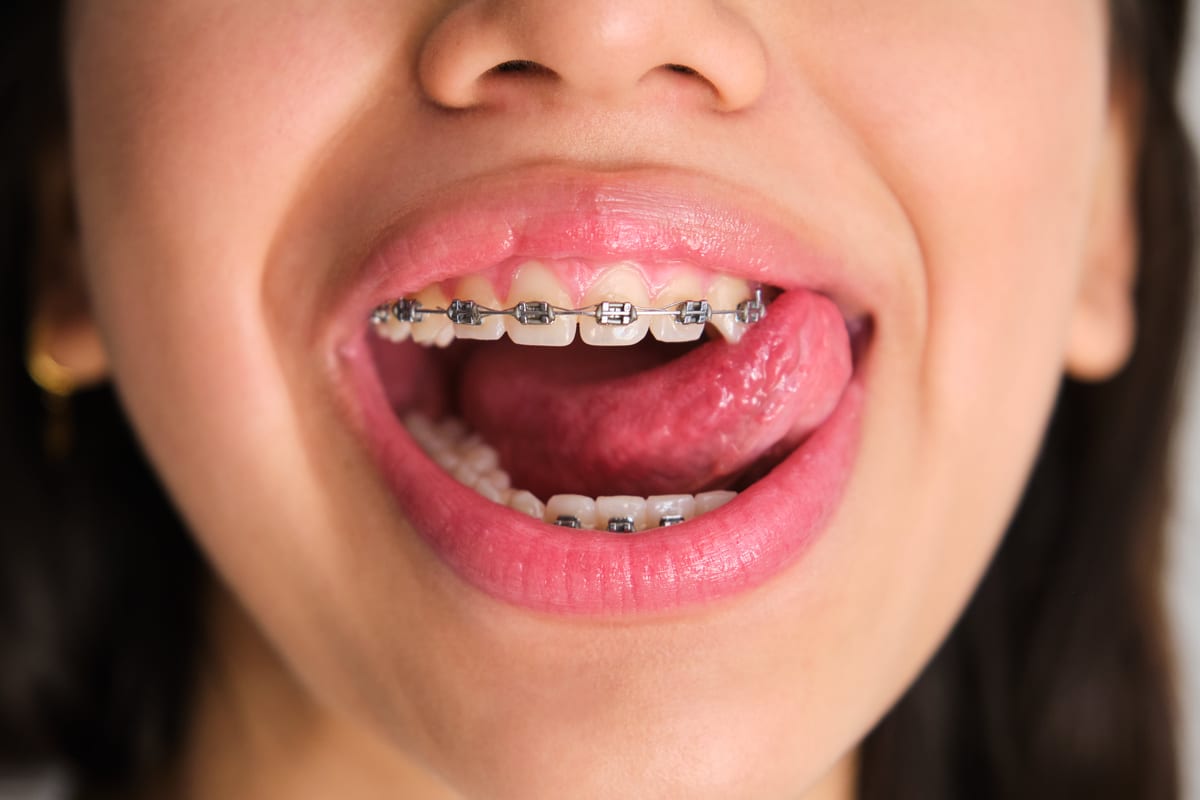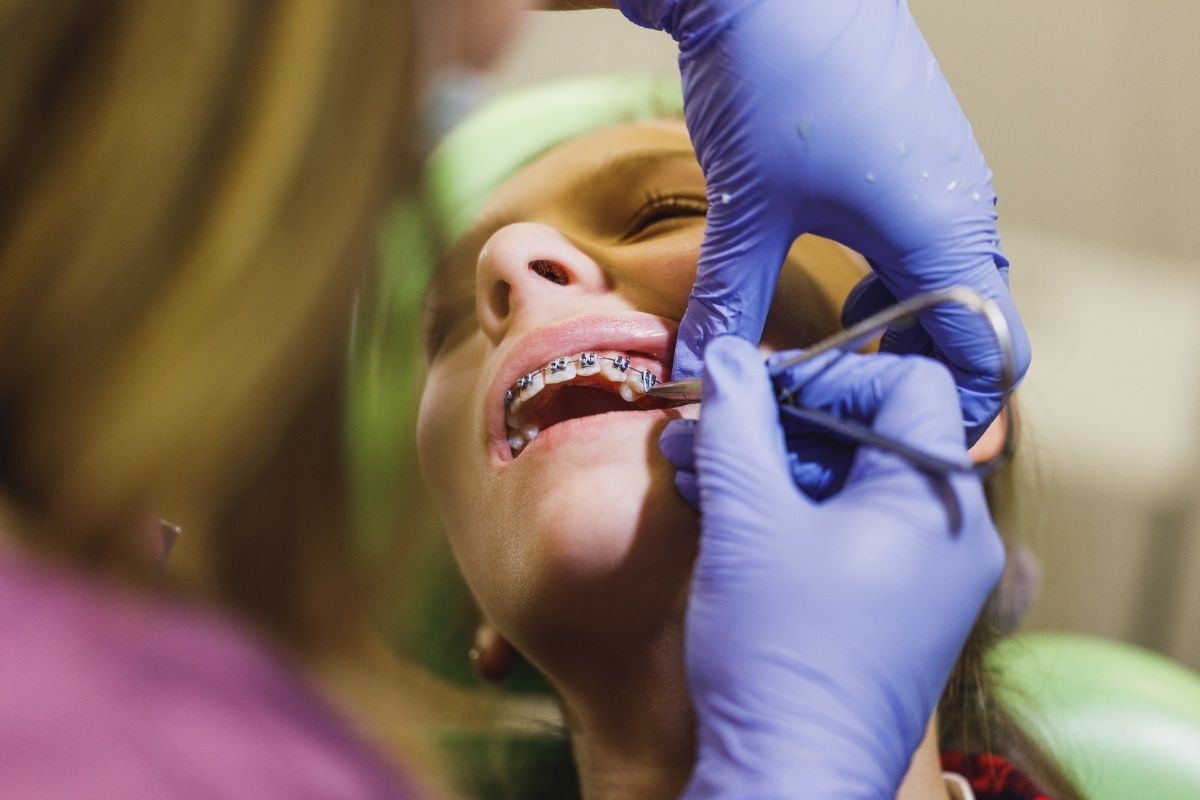
Have you ever looked in the mirror and noticed that your upper teeth stick out too far, your lower jaw sits in front of your upper teeth, or some of your teeth don’t line up when you bite down? These aren’t just cosmetic concerns—they may be signs of a malocclusion, or bite problem. While many people seek orthodontic treatment to improve their smile, correcting bite alignment can also make chewing, speaking, and maintaining good oral health easier.
Fortunately, modern orthodontics offers a wide range of effective treatment options for patients of all ages. Whether you have an overbite, underbite, or crossbite, an orthodontist can develop a personalized treatment plan using braces, clear aligners, expanders, elastics, or, in some cases, jaw surgery to improve your bite and overall oral function.
According to the American Association of Orthodontists (AAO), millions of Americans receive orthodontic treatment each year, and the organization recommends that children have their first orthodontic evaluation by age 7. Early evaluation helps identify developing bite problems before they become more complex. Research published by the National Institute of Dental and Craniofacial Research (NIDCR) also shows that malocclusions are among the most common oral health conditions affecting children and adults worldwide.
In this guide, we’ll explain the differences between overbites, underbites, and crossbites, how orthodontists diagnose these conditions, and the treatment options available to help patients achieve healthier, more balanced smiles.
What Is a Malocclusion?
A malocclusion refers to improper alignment between the upper and lower teeth or jaws.
A healthy bite allows teeth to come together evenly, supporting efficient chewing, clear speech, and balanced jaw function.
When the bite is misaligned, patients may experience:
- Difficulty chewing
- Uneven tooth wear
- Jaw discomfort
- Speech problems
- Gum recession
- Increased risk of chipped teeth
- Challenges cleaning crowded teeth
Orthodontic treatment aims to improve both function and appearance by correcting these alignment problems.
What Is an Overbite?
An overbite occurs when the upper front teeth excessively overlap the lower front teeth vertically.
A slight overlap is considered normal.
However, a deep overbite may lead to:
- Excessive wear on lower teeth
- Gum irritation
- Jaw pain
- Tooth fractures
- Difficulty biting certain foods
Some overbites are caused primarily by tooth position, while others result from differences in jaw growth.
What Is an Underbite?
An underbite occurs when the lower teeth extend in front of the upper teeth.
Depending on severity, an underbite may cause:
- Difficulty chewing
- Speech challenges
- Increased tooth wear
- Jaw strain
- Facial asymmetry
Severe underbites often involve skeletal differences between the upper and lower jaws.
What Is a Crossbite?
A crossbite occurs when one or more upper teeth bite inside the lower teeth instead of outside them.
Crossbites may affect:
- Front teeth (anterior crossbite)
- Back teeth (posterior crossbite)
- One side of the mouth
- Both sides
Without treatment, crossbites may contribute to:
- Uneven jaw growth in children
- Tooth wear
- Gum recession
- Jaw discomfort
Early treatment is often recommended because developing jaws are generally more responsive to orthodontic correction.
What Causes Bite Problems?
Several factors influence bite development.
Common causes include:
- Genetics
- Differences in jaw growth
- Thumb sucking
- Prolonged pacifier use
- Tongue thrusting
- Early loss of baby teeth
- Delayed eruption of permanent teeth
- Trauma affecting jaw development
Many patients develop bite problems through a combination of genetic and environmental factors.
Why Early Orthodontic Evaluation Matters
The American Association of Orthodontists (AAO) recommends that children receive an orthodontic evaluation by age 7.
At this stage, orthodontists can assess:
- Jaw growth
- Tooth eruption
- Bite development
- Space for permanent teeth
Early evaluation does not always mean immediate treatment.
Instead, it allows orthodontists to monitor development and intervene when necessary.
How Orthodontists Diagnose Bite Problems
An orthodontic examination involves much more than simply looking at your teeth.
Your orthodontist may use:
- Clinical examination
- Digital photographs
- Digital X-rays
- 3D imaging (when indicated)
- Digital scans or impressions
- Bite analysis
These tools help determine whether the problem involves:
- Teeth only
- Jaw position
- Both teeth and jaws
Accurate diagnosis allows for individualized treatment planning.
How Orthodontists Treat Overbites
Treatment depends on the severity of the overbite and the patient’s age.
Common options include:
Braces
Traditional braces gradually reposition teeth using carefully controlled forces.
They are highly effective for correcting many overbites.
Clear Aligners
For selected patients, clear aligners can successfully correct mild-to-moderate overbites.
Aligners offer:
- Removability
- Improved appearance during treatment
- Easier oral hygiene
Patient compliance is essential because aligners must typically be worn 20–22 hours per day.
Rubber Bands (Elastics)
Orthodontic elastics help guide the upper and lower teeth into improved alignment.
They are commonly used alongside braces or certain aligner systems.
Bite Plates
For patients with deep overbites, removable or fixed bite plates may help reduce excessive vertical overlap.
How Orthodontists Treat Underbites
Treatment varies depending on whether the problem is primarily dental or skeletal.
Possible treatments include:
- Braces
- Clear aligners
- Elastics
- Palatal expansion (for selected children)
- Growth modification appliances
- Orthognathic surgery for severe adult skeletal discrepancies
Early intervention often provides more treatment options for growing children.
How Orthodontists Treat Crossbites
Crossbites are commonly corrected using:
Palatal Expanders
Expanders gradually widen the upper jaw.
They are especially effective for children because their upper jaws are still developing.
Braces
Braces reposition individual teeth into proper alignment.
Clear Aligners
Certain crossbites may also be corrected with aligner therapy when clinically appropriate.
Highlight the Importance of Orthodontic Care
Research demonstrates how common bite problems are:
- The National Institute of Dental and Craniofacial Research (NIDCR) reports that malocclusion is one of the most common oral health conditions.
- According to the American Association of Orthodontists, millions of Americans receive orthodontic treatment annually.
- Studies estimate that approximately 50–75% of people have some degree of malocclusion, although not every case requires treatment.
- Research published in orthodontic journals shows that untreated bite problems may increase the risk of uneven tooth wear, periodontal complications, and temporomandibular joint (TMJ) symptoms in some individuals.
Early diagnosis allows orthodontists to recommend the most appropriate treatment while growth and development can still be guided in younger patients.
How Long Does Orthodontic Treatment Take?
One of the first questions patients ask is, “How long will treatment take?“ The answer depends on several factors, including your age, the severity of the bite problem, your oral health, and the type of orthodontic treatment you receive.
Average treatment times include:
- Minor bite corrections: 6–12 months
- Moderate orthodontic cases: 12–24 months
- Complex bite problems: 24–36 months or longer
Patients who wear clear aligners must also follow their orthodontist’s instructions carefully. Most aligner systems should be worn 20–22 hours per day for optimal results.
Keeping regular adjustment appointments and maintaining good oral hygiene can also help keep treatment on schedule.
Can Adults Correct Bite Problems?
Absolutely. Orthodontic treatment isn’t just for children and teenagers.
According to the American Association of Orthodontists (AAO), approximately one in three orthodontic patients today is an adult. Many adults seek treatment to improve oral health, correct bite problems, reduce uneven tooth wear, or enhance the appearance of their smile.
Adult treatment options often include:
- Traditional metal braces
- Ceramic (tooth-colored) braces
- Clear aligners
- Limited orthodontic treatment for specific concerns
While adult jawbones are fully developed, teeth can still be moved safely and effectively with modern orthodontic techniques.
When Is Orthognathic (Jaw) Surgery Needed?
Most overbites, underbites, and crossbites can be corrected without surgery. However, severe skeletal discrepancies may require orthognathic surgery in combination with orthodontic treatment.
Jaw surgery may be recommended when:
- The upper and lower jaws are significantly misaligned
- Chewing or speaking is difficult
- Facial asymmetry is pronounced
- Obstructive sleep apnea is related to jaw position (in selected cases)
- Orthodontic treatment alone cannot achieve a functional bite
Orthognathic surgery is typically performed after jaw growth is complete and is carefully coordinated between an orthodontist and an oral and maxillofacial surgeon.
The Importance of Wearing Retainers
Completing orthodontic treatment is a major milestone—but it isn’t the end of the process.
After braces or clear aligners, your orthodontist will prescribe a retainer to help maintain your results.
Retainers help:
- Prevent teeth from shifting
- Stabilize the bite
- Protect the investment you’ve made in treatment
Depending on your case, your orthodontist may recommend:
- Removable retainers
- Fixed (bonded) retainers
- A combination of both
Consistent retainer wear is one of the most important factors in maintaining a healthy, aligned smile.
Benefits of Correcting Bite Problems
Orthodontic treatment offers more than cosmetic improvements. Correcting an overbite, underbite, or crossbite can improve your overall oral health and daily comfort.
Potential benefits include:
- Better chewing efficiency
- Improved speech in some cases
- Reduced uneven tooth wear
- Easier brushing and flossing
- Lower risk of plaque accumulation in crowded areas
- Healthier gums
- Reduced strain on the jaw joints
- Improved smile aesthetics and confidence
A properly aligned bite can also make future dental treatments, such as crowns or implants, easier to plan and maintain.
Caring for Your Teeth During Orthodontic Treatment
Good oral hygiene is essential throughout treatment.
The American Dental Association (ADA) recommends:
- Brushing twice daily with fluoride toothpaste
- Cleaning between teeth every day with floss or other interdental cleaners
- Limiting sugary snacks and beverages
- Attending regular dental checkups and cleanings
Patients with braces may benefit from additional tools such as:
- Interdental brushes
- Water flossers
- Orthodontic floss threaders
Maintaining excellent oral hygiene helps reduce the risk of cavities and gum inflammation during treatment.
Common Myths About Bite Correction
Myth 1: Overbites Are Only a Cosmetic Concern
Fact: While some overbites are mild, more severe cases can contribute to uneven tooth wear, jaw discomfort, and difficulties with chewing.
Myth 2: Adults Are Too Old for Orthodontic Treatment
Fact: Healthy teeth can be moved at almost any age. Many adults complete orthodontic treatment with braces or clear aligners.
Myth 3: Crossbites Will Correct Themselves
Fact: Crossbites rarely resolve without treatment. Early evaluation is especially important for children because developing jaws are more responsive to orthodontic guidance.
Myth 4: Clear Aligners Can Treat Every Bite Problem
Fact: Clear aligners are highly effective for many cases, but severe skeletal discrepancies or complex bite issues may require braces, additional appliances, or surgery.
When Should You See an Orthodontist?
You should consider scheduling an orthodontic evaluation if you or your child experiences:
- Teeth that don’t fit together properly
- Difficulty biting or chewing
- Jaw pain or clicking
- Crowded or crooked teeth
- Early or late loss of baby teeth
- Protruding front teeth
- Frequent biting of the cheeks or tongue
- Speech concerns related to tooth alignment
Early diagnosis allows treatment to begin at the most appropriate time, often simplifying care and improving long-term outcomes.
Conclusion
Overbites, underbites, and crossbites are among the most common orthodontic conditions, and they can affect much more than the appearance of your smile. Left untreated, these bite problems may contribute to uneven tooth wear, gum issues, chewing difficulties, and jaw discomfort. The good news is that modern orthodontics offers effective solutions for children, teens, and adults.
Depending on the type and severity of your malocclusion, an orthodontist may recommend braces, clear aligners, elastics, palatal expanders, growth-modification appliances, or, in more complex cases, orthognathic surgery. With early diagnosis, personalized treatment planning, and consistent follow-up care, many patients achieve healthier bites, improved oral function, and lasting confidence.
If you or your child has concerns about bite alignment, schedule a consultation with a local Broken Arrow orthodontist. An evaluation today can help prevent more complicated dental problems in the future and put you on the path to a healthier, more balanced smile.
Frequently Asked Questions
1. What is the difference between an overbite and an overjet?
An overbite refers to the vertical overlap of the upper front teeth over the lower front teeth. At the same time, an overjet describes how far the upper front teeth protrude horizontally beyond the lower teeth. Some patients have one condition, while others have both.
2. Can clear aligners fix an underbite?
Clear aligners can correct many mild-to-moderate underbites that are primarily caused by tooth positioning. More severe skeletal underbites may require braces, growth-modification appliances in younger patients, or jaw surgery.
3. At what age should my child see an orthodontist?
The American Association of Orthodontists recommends that children receive their first orthodontic evaluation by age 7. This does not always mean treatment is needed immediately, but it allows developing bite problems to be identified early.
4. Are crossbites considered a dental emergency?
No. Crossbites are not usually emergencies, but they should be evaluated promptly because delaying treatment may increase the risk of uneven tooth wear, gum recession, or abnormal jaw development in growing children.
5. Will I need to wear a retainer after braces or clear aligners?
Yes. Retainers help keep your teeth in their new positions after active orthodontic treatment. Wearing them as instructed by your orthodontist is essential to maintaining your results.