Crowded teeth occur when there is not enough space in the jaw for all teeth to align properly. This can make brushing and flossing more difficult, allowing plaque and food particles to accumulate in hard-to-reach areas.
Clear aligners are highly effective for correcting many cases of mild to moderate crowding by applying gentle, controlled pressure that gradually moves teeth into better alignment. According to the American Association of Orthodontists (AAO), crowding is one of the most common reasons patients seek orthodontic treatment. Studies have also shown that clear aligners can successfully treat many cases of mild to moderate crowding when treatment is carefully planned, and patients wear their aligners as prescribed.
Potential benefits of correcting crowding include:
- Easier brushing and flossing
- Improved gum health
- Better bite function
- Reduced plaque accumulation
- Enhanced smile appearance
Spacing (Gaps Between Teeth)
Spaces between teeth, known as diastemas or generalized spacing, may result from genetics, missing teeth, or differences in tooth size.
Clear aligners in Broken Arrow can gradually close many small to moderate gaps while maintaining proper tooth alignment.
Closing spaces may help:
- Improve smile aesthetics
- Reduce food trapping
- Support healthier gums
- Improve bite stability
Not every spacing issue requires orthodontic treatment, but your orthodontist can determine whether aligners are appropriate for your case.
Overbite
An overbite occurs when the upper front teeth overlap the lower front teeth more than normal.
A mild overbite is common, but a severe overbite may contribute to:
- Excessive wear on teeth
- Difficulty biting food
- Jaw discomfort
- Increased risk of tooth damage
Modern clear aligner systems can successfully treat many mild-to-moderate overbites by using carefully programmed tooth movements and, in some cases, small attachments or elastics.
Underbite
An underbite occurs when the lower teeth extend in front of the upper teeth.
Depending on its severity, an underbite may affect:
- Chewing efficiency
- Speech
- Tooth wear
- Jaw function
Clear aligners may successfully correct selected mild-to-moderate underbites. More severe skeletal underbites may require additional orthodontic procedures or surgical treatment.
Crossbite
A crossbite develops when one or more upper teeth bite inside the lower teeth instead of outside them.
Crossbites can involve:
- Front teeth
- Back teeth
- One side of the mouth
- Both sides
If left untreated, crossbites may contribute to:
- Uneven tooth wear
- Gum recession around affected teeth
- Bite imbalance
- Jaw discomfort
Many dental crossbites respond well to clear aligner therapy, particularly when diagnosed early.
Open Bite
An open bite occurs when the upper and lower front teeth do not touch when the mouth is closed.
Patients with an open bite may experience:
- Difficulty biting into foods
- Speech challenges with certain sounds
- Increased strain on back teeth
Clear aligners can successfully correct many mild-to-moderate open bites by gradually repositioning the teeth. More severe skeletal open bites may require additional orthodontic treatment.
Crooked and Rotated Teeth
Crooked or rotated teeth are among the most common orthodontic concerns.
Depending on the degree of rotation, clear aligners can effectively:
- Straighten tilted teeth
- Correct minor rotations
- Improve smile symmetry
- Create a more balanced bite
Small, tooth-colored attachments placed on selected teeth may help the aligners achieve more precise movements.
Orthodontic Relapse
Many adults who had braces as children notice their teeth shifting years later. This is known as orthodontic relapse.
Common causes include:
- Not wearing retainers as directed
- Natural age-related tooth movement
- Changes in the supporting bone and soft tissues
Clear aligners are frequently used to correct mild relapse by gradually returning teeth to improved alignment without the need for traditional braces.
When Clear Aligners May Not Be the Best Choice
Although clear aligners are effective for many orthodontic concerns, they are not ideal for every patient.
Your orthodontist may recommend another treatment option if you have:
- Severe skeletal jaw discrepancies
- Significant bite problems
- Advanced tooth rotations
- Large vertical tooth movements
- Complex orthodontic conditions requiring greater control
A comprehensive orthodontic evaluation, including digital imaging and bite analysis, helps determine the most appropriate treatment plan.
Benefits of Clear Aligners
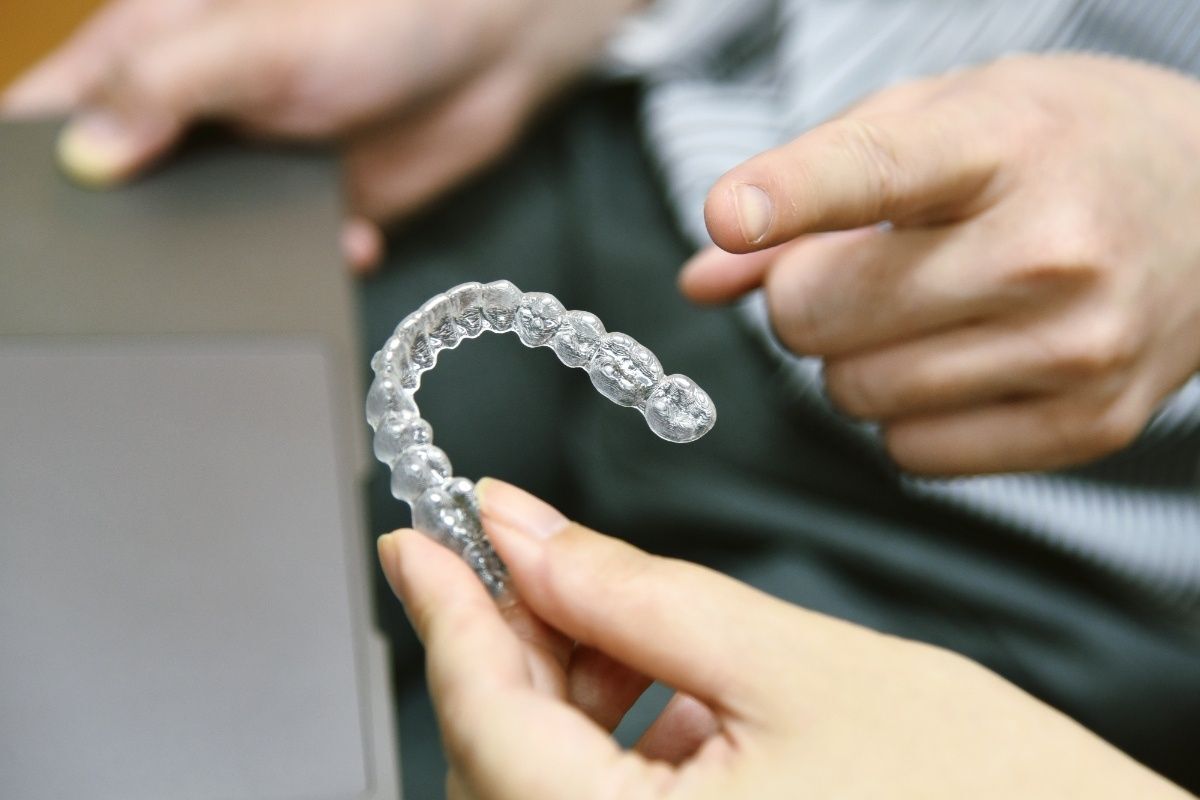
Many patients choose clear aligners because they combine effective orthodontic treatment with convenience and discretion.
Some of the most common benefits include:
- Nearly invisible appearance
- Removable for meals and oral hygiene
- No metal brackets or wires
- Smooth, comfortable material
- Easier brushing and flossing
- Fewer dietary restrictions
- Customized treatment planning using digital technology
These advantages have made clear aligners a popular choice for teens and adults who want to improve their smiles while maintaining their daily routines.
Long-Term Oral Health Benefits of Clear Aligners
While many patients choose clear aligners to improve the appearance of their smiles, properly aligned teeth can also contribute to better oral health. Straighter teeth are generally easier to clean because there are fewer overlapping surfaces where plaque and food debris can accumulate.
Orthodontic treatment with clear aligners may provide several long-term benefits, including:
- Easier brushing and flossing
- Improved access to hard-to-reach areas
- Better bite balance
- Reduced uneven tooth wear
- Enhanced chewing efficiency
- Improved smile confidence
It’s important to remember that orthodontic treatment does not replace good oral hygiene. Daily brushing, flossing, and regular dental checkups remain essential for maintaining healthy teeth and gums.
Who Is a Good Candidate for Clear Aligners?
Clear aligners are an excellent option for many teens and adults, but the best candidates are those who are committed to following their treatment plan.
You may be a good candidate if you:
- Have mild to moderate crowding or spacing
- Need correction for certain bite issues
- Want a discreet orthodontic solution
- Can wear aligners for 20–22 hours each day
- Practice good oral hygiene
- Attend regular orthodontic appointments
During your consultation, your local Broken Arrow orthodontist will evaluate your teeth, bite, jaw alignment, and overall oral health to determine whether clear aligners are the right choice for you.
Tips for Successful Clear Aligner Treatment
Your daily habits play a significant role in achieving the best possible results.
To help keep treatment on track:
- Wear your aligners for the recommended number of hours each day.
- Remove aligners before eating or drinking anything except water.
- Brush and floss before placing aligners back in your mouth.
- Clean your aligners daily using the cleaning method recommended by your orthodontist.
- Store aligners in their protective case when not in use.
- Change to the next set of aligners according to your treatment schedule.
- Keep all follow-up appointments so your orthodontist can monitor your progress.
Consistent wear and proper care help ensure predictable tooth movement and successful treatment.
When Traditional Braces May Be Recommended Instead
Although clear aligners have expanded the range of orthodontic conditions that can be treated, traditional braces may still be recommended in certain situations.
Your orthodontist may advise fixed braces if you have:
- Severe crowding
- Significant jaw discrepancies
- Large tooth rotations
- Teeth that require substantial vertical movement
- Complex bite problems
- Difficulty wearing removable aligners consistently
Every smile is unique, and the most effective treatment depends on your specific orthodontic needs.
Why Early Orthodontic Evaluation Matters
Orthodontic concerns can become more challenging if left untreated. An early evaluation allows your orthodontist to identify developing bite issues and recommend the most appropriate timing for treatment.
For adults, seeking treatment sooner rather than later may help prevent additional wear on teeth, improve bite function, and make oral hygiene easier.
Whether you are considering clear aligners for cosmetic improvements or functional corrections, an individualized treatment plan offers the best opportunity for a healthy, lasting smile.
Conclusion
Clear aligners have transformed modern orthodontic care by providing a discreet and convenient way to correct many common orthodontic problems. They are highly effective for treating mild to moderate crowding and spacing, certain overbites, underbites, crossbites, open bites, crooked teeth, and orthodontic relapse when prescribed appropriately.
However, clear aligners are not the right solution for every patient. More complex bite problems or significant jaw discrepancies may require traditional braces or other orthodontic treatments. The key to successful treatment is receiving a comprehensive evaluation from an experienced orthodontist who can recommend the most suitable option for your individual needs.
If you’re wondering whether clear aligners can correct your orthodontic concerns, schedule a consultation with your local orthodontic provider. A personalized assessment can help you understand your treatment options and create a plan that supports both your smile goals and long-term oral health.
Frequently Asked Questions
1. What orthodontic problems can clear aligners correct?
Clear aligners can often correct mild to moderate crowding, spacing, certain overbites, underbites, crossbites, open bites, rotated teeth, and minor orthodontic relapse. The exact conditions they can treat depend on the complexity of your case.
2. Can clear aligners treat severe bite problems?
Some complex orthodontic conditions may require traditional braces or other specialized treatments. Your orthodontist will determine the most appropriate option after evaluating your bite and tooth alignment.
3. How long do I need to wear clear aligners each day?
Most treatment plans require wearing aligners for 20–22 hours per day. Removing them only for meals, brushing, and flossing helps keep treatment progressing as planned.
4. Are clear aligners suitable for adults?
Yes. Clear aligners are a popular choice for adults because they are removable, discreet, and can effectively treat many common orthodontic concerns while fitting into busy lifestyles.
5. How do I know if clear aligners are right for me?
The best way to determine your eligibility is to consult an orthodontist. They will assess your teeth, bite, oral health, and treatment goals before recommending the most appropriate orthodontic solution.