Have you recently been told that you need braces? Or perhaps you’re considering orthodontic treatment for yourself or your child and wondering how long it will take before you start seeing results?
You’re not alone.
One of the first questions patients ask during an orthodontic consultation is:
“How long do dental braces take to work?”
The answer depends on several factors, including the complexity of your case, the type of braces you choose, your age, and how closely you follow your orthodontist’s instructions. While many patients begin noticing changes within a few months, complete treatment often takes between 18 and 24 months, with some cases finishing sooner and others requiring additional time.
According to the American Association of Orthodontists (AAO), millions of Americans undergo orthodontic treatment every year, and advances in modern braces technology have made treatment more efficient and comfortable than ever before.
Whether you’re dealing with crowded teeth, gaps, overbites, underbites, or alignment concerns, understanding the timeline for braces can help you set realistic expectations and stay motivated throughout treatment.
In this guide, we’ll explain how braces work, how long treatment typically takes, what factors affect treatment speed, and how local patients can achieve the best possible results.
How Do Dental Braces Work?
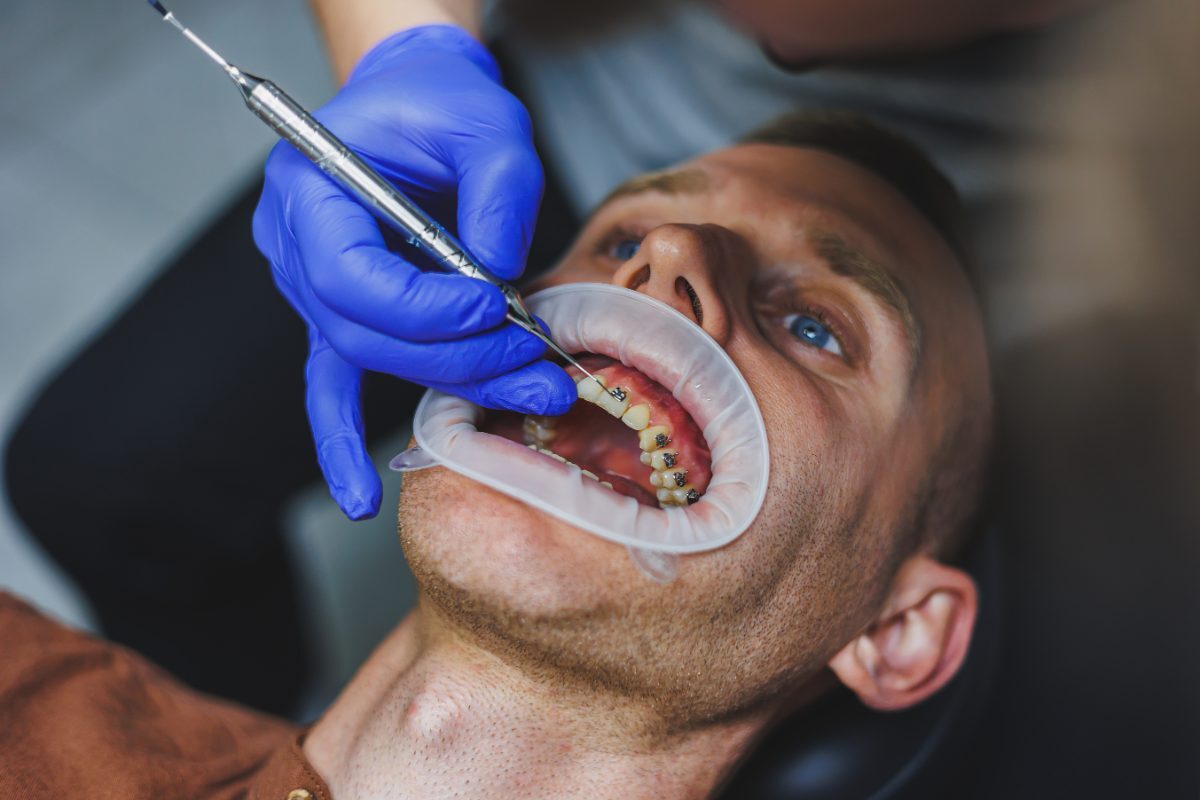
Dental braces in Broken Arrow gradually move teeth into proper alignment by applying continuous pressure over time.
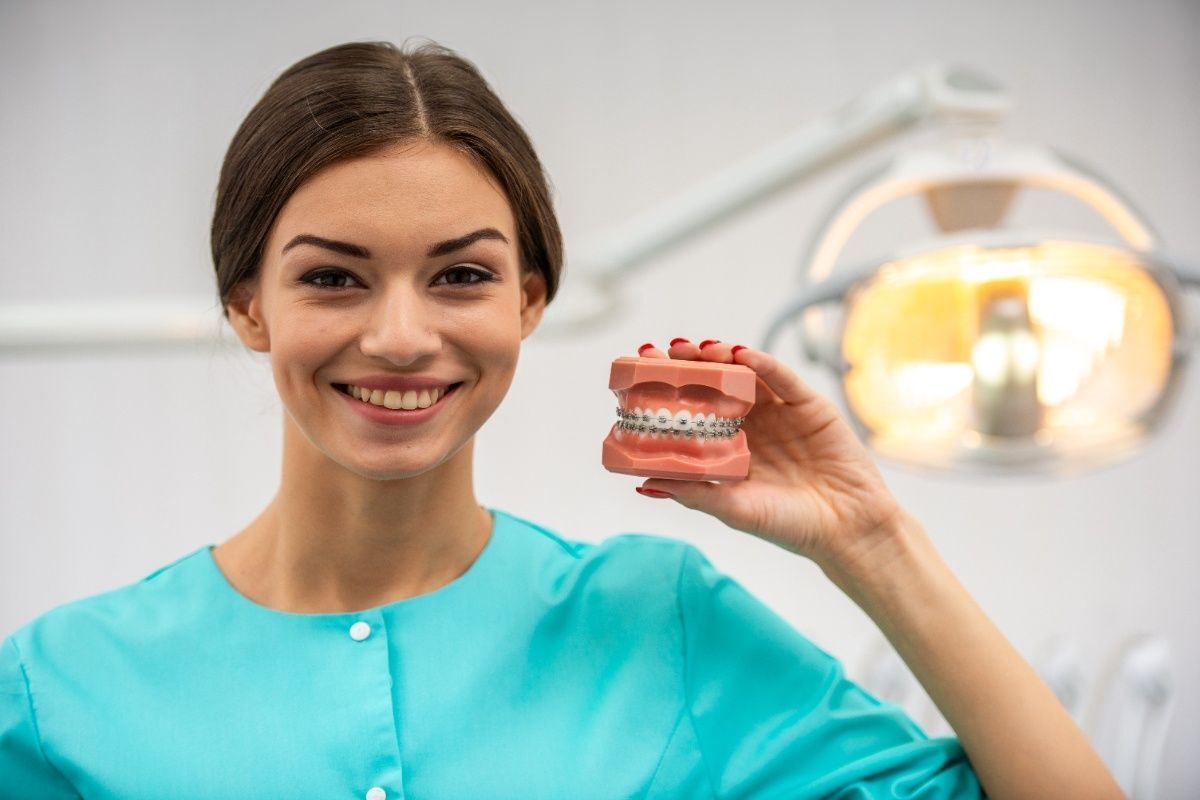
Braces consist of:
- Brackets attached to teeth
- Archwires connecting the brackets
- Elastics or rubber bands (when necessary)
- Other orthodontic appliances, depending on treatment needs
As pressure is applied, the bone surrounding the teeth undergoes a process called bone remodeling.
According to the National Institute of Dental and Craniofacial Research (NIDCR), orthodontic tooth movement occurs when specialized cells break down and rebuild bone around the tooth roots, allowing teeth to shift into new positions.
Because this biological process takes time, braces cannot straighten teeth overnight.
How Soon Do Braces Start Working?
Many patients are surprised to learn that braces begin working almost immediately.
Within hours of placement:
- Teeth begin responding to orthodontic forces
- Bone remodeling starts
- Minor movement occurs beneath the surface
However, visible changes usually take longer.
Typical Timeline
| Time After Getting Braces | What You May Notice |
| First Week | Pressure and mild soreness |
| 1–3 Months | Small alignment improvements |
| 3–6 Months | Noticeable tooth movement |
| 6–12 Months | Significant correction begins |
| 12–24 Months | Major bite and alignment improvements |
| End of Treatment | Final adjustments and retention |
Many patients notice visible improvements within the first 8 to 12 weeks of treatment.
What Is the Average Braces Treatment Time?
According to the American Association of Orthodontists, the average braces treatment time is approximately:
18–24 Months
However, treatment duration varies significantly from patient to patient.
Mild Cases
Minor crowding or spacing issues may require:
6–12 months
Moderate Cases
More noticeable alignment concerns often require:
12–24 months
Complex Cases
Severe orthodontic problems may require:
24–36 months
Research published in the American Journal of Orthodontics and Dentofacial Orthopedics reports that treatment complexity is one of the strongest predictors of total treatment duration.
Factors That Affect How Long Braces Take to Work
Several variables influence your treatment timeline.
1. Severity of Misalignment
The more movement required, the longer the treatment typically takes.
Examples include:
Faster Cases
- Small gaps
- Minor crowding
- Mild rotations
Longer Cases
- Severe crowding
- Impacted teeth
- Major bite discrepancies
- Jaw alignment issues
Patients with severe malocclusions often require significantly more treatment time.
2. Age of the Patient
Braces work successfully for both children and adults.
However, younger patients often experience faster tooth movement because:
- Their jawbones are still developing
- Bone remodeling occurs more readily
- Growth can aid treatment
According to the AAO, while adults can achieve excellent outcomes, treatment may sometimes take slightly longer than it does for adolescents.
3. Type of Braces
Different orthodontic systems may affect treatment efficiency.
Traditional Metal Braces
Most common option.
Average treatment:
18–24 months
Ceramic Braces
Function similarly to metal braces.
Treatment times are generally comparable.
Self-Ligating Braces
Some studies suggest modest improvements in treatment efficiency, though results vary.
Lingual Braces
Placed behind teeth.
Treatment length is often similar to that of traditional braces.
Your orthodontist in Broken Arrow will recommend the most appropriate option based on your needs.
4. Patient Compliance
One of the biggest factors affecting treatment speed is patient cooperation.
Patients who consistently follow instructions often finish treatment faster.
Examples include:
- Wearing rubber bands as directed
- Attending adjustment appointments
- Maintaining good oral hygiene
- Avoiding foods that damage braces
Research published in the Journal of Clinical Orthodontics found that poor compliance can significantly extend treatment duration.
5. Missed Appointments
Regular orthodontic visits are critical.
Most patients require adjustments every:
4–8 Weeks
Missing appointments can:
- Delay progress
- Increase treatment time
- Lead to inefficient tooth movement
Staying on schedule helps keep treatment moving forward.
When Will You Start Seeing Results?
Patients often become discouraged if they don’t see immediate changes.
Fortunately, most begin noticing visible improvements relatively early.
First Month
You may notice:
- Slight movement
- Reduced crowding
- Changes in spacing
Three Months
Many patients report:
- Straighter front teeth
- Improved smile appearance
- Better tooth positioning
Six Months
More dramatic improvements often occur.
This stage typically motivates patients to stay committed to treatment.
Why Some Teeth Move Faster Than Others
Not all teeth respond at the same rate.
Factors include:
- Root shape
- Bone density
- Tooth position
- Amount of movement required
For example:
Front teeth often appear to move quickly because they are easier to see.
Molars and bite corrections generally require more time.
This is why orthodontists focus not only on cosmetic improvements but also on creating a healthy bite.
Can Braces Work Faster?
Many patients ask if there is a way to accelerate treatment.
While biology cannot be rushed, several strategies may help accelerate progress.
Wear Elastics Exactly as Directed
Rubber bands play a crucial role in correcting bite issues.
Failure to wear them can add months to treatment.
Maintain Excellent Oral Hygiene
According to the Centers for Disease Control and Prevention (CDC), gum disease and inflammation can complicate orthodontic treatment.
Healthy gums support efficient tooth movement.
Avoid Damaging Foods
Common culprits include:
- Hard candies
- Ice
- Popcorn kernels
- Nuts
- Sticky candies
Broken brackets can delay treatment.
Attend Every Appointment
Routine adjustments ensure treatment stays on track.
Skipping visits often prolongs treatment.
What Can Delay Braces Treatment?
Several common issues can increase treatment time.
- Broken Brackets: Each broken bracket can interrupt tooth movement.
- Poor Elastic Wear: One of the leading causes of treatment delays.
- Missed Appointments: Delays adjustments and monitoring.
- Poor oral hygiene can lead to gum inflammation and complications.
Severe Orthodontic Problems
Complex cases naturally require additional time.
Are Braces Worth the Time Investment?
For most patients, absolutely.
According to studies published in orthodontic literature, properly aligned teeth offer benefits beyond appearance.
Potential advantages include:
- Easier cleaning
- Reduced risk of tooth decay
- Improved gum health
- Better chewing efficiency
- Reduced tooth wear
- Enhanced self-confidence
The AAO reports that orthodontic treatment can significantly improve both oral health and quality of life.
Life After Braces
Once braces are removed, treatment isn’t finished.
Patients receive retainers to maintain results.
Without retainers, teeth may gradually shift back toward their original positions.
Research suggests that long-term retainer use is one of the most important factors in preserving orthodontic outcomes.
Common retainer options include:
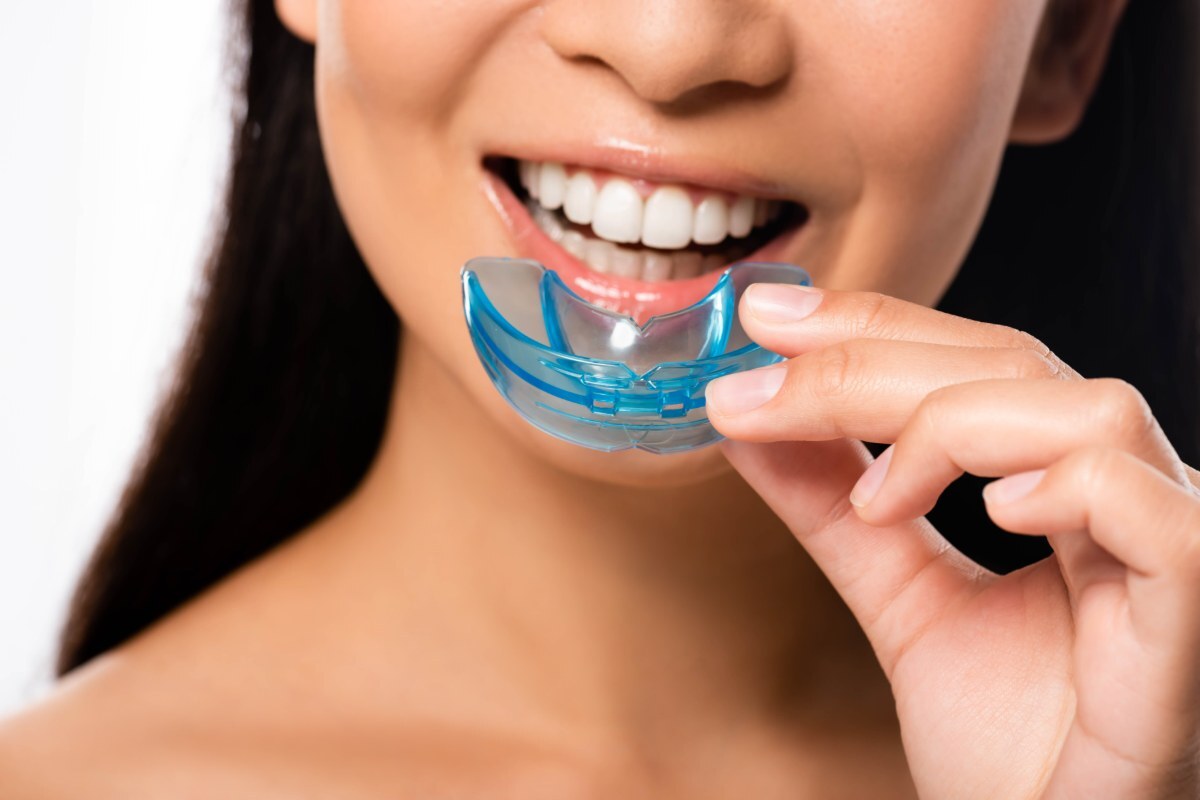
- Clear removable retainers
- Hawley retainers
- Fixed bonded retainers
Following retention instructions protects the investment you’ve made in your smile.
Why Local Patients Choose Braces
Across the United States, braces remain one of the most effective orthodontic treatments available.
Patients choose braces because they:
- Correct complex alignment problems
- Improve bite function
- Deliver predictable results
- Work for patients of all ages
- Improve long-term oral health
Whether you’re a teenager preparing for adulthood or an adult seeking a healthier smile, braces remain a trusted solution.
Conclusion
So, how long do dental braces take to work?
While braces begin moving teeth almost immediately, visible changes typically appear within a few months. Most patients complete treatment in 18 to 24 months, although mild cases may finish sooner and complex cases may require additional time.
The exact timeline depends on factors such as treatment complexity, age, orthodontic compliance, and overall oral health.
The good news is that every adjustment brings you closer to a healthier, straighter smile. By attending appointments, following your orthodontist’s instructions, wearing elastics consistently, and maintaining excellent oral hygiene, you can help ensure the best possible results.
If you’re considering braces, scheduling a consultation with a local orthodontist is the best way to receive a personalized treatment plan and timeline.
Frequently Asked Questions
1. How soon will I notice changes after getting braces?
Most patients begin noticing visible tooth movement within 8 to 12 weeks, although teeth start responding to treatment almost immediately.
2. What is the average time someone wears braces?
The average duration of braces treatment is 18 to 24 months, according to the American Association of Orthodontists.
3. Can braces straighten teeth in six months?
Some mild alignment issues may improve significantly within six months, but complete treatment often takes longer.
4. Do adults need braces longer than teenagers?
Sometimes. Adults may experience slightly slower tooth movement because their jawbones are fully developed, but outcomes are typically just as successful.
5. What happens if I don’t wear my rubber bands?
Failure to wear elastics as directed can delay treatment, prolong braces wear, and affect final bite correction.