Have you ever caught yourself hiding your smile because your upper teeth overlap your lower ones more than you’d like? You’re not alone in this. Many people deal with a deep overbite, which can affect everything from how you chew to your overall confidence. The good news is that modern orthodontic solutions offer real hope for correction. In this post, we’ll explore whether braces can address this issue, breaking down the process in a way that’s easy to follow and full of practical advice.
Understanding Deep Overbite
A deep overbite happens when the upper front teeth cover the lower ones by more than a normal amount, often more than 4 millimeters. This isn’t just about looks. It can lead to wear on the enamel, jaw pain, or even speech challenges. Causes vary, from genetics to habits like thumb-sucking in childhood.
Experts note that skeletal factors, where the jaw bones don’t align well, play a big role. Dental issues, such as crowded teeth, can worsen it too. Recognizing the type early helps in choosing the right fix.
Signs You Might Have a Deep Overbite
Look for clues like your lower teeth touching the roof of your mouth. Or perhaps you notice uneven tooth wear. Jaw discomfort after eating is another red flag. These symptoms often prompt people to seek help.
If ignored, it might cause gum problems or headaches. Catching it soon can prevent bigger issues down the line.
How Braces Work to Correct Deep Bites
Braces apply steady pressure to shift teeth and jaws into better positions. For deep overbites, they often use brackets and wires to lift the back teeth or adjust the front ones. This creates space and reduces overlap.
Rubber bands sometimes connect upper and lower braces to guide jaw movement. The process is gradual, ensuring lasting results. Orthodontists tailor the approach based on x-rays and scans.
Types of Braces for Overbite Correction
Traditional metal braces handle complex cases well. They consist of sturdy brackets that withstand the forces needed for bite adjustment.
Clear ceramic options blend in more, ideal for those wanting subtlety.
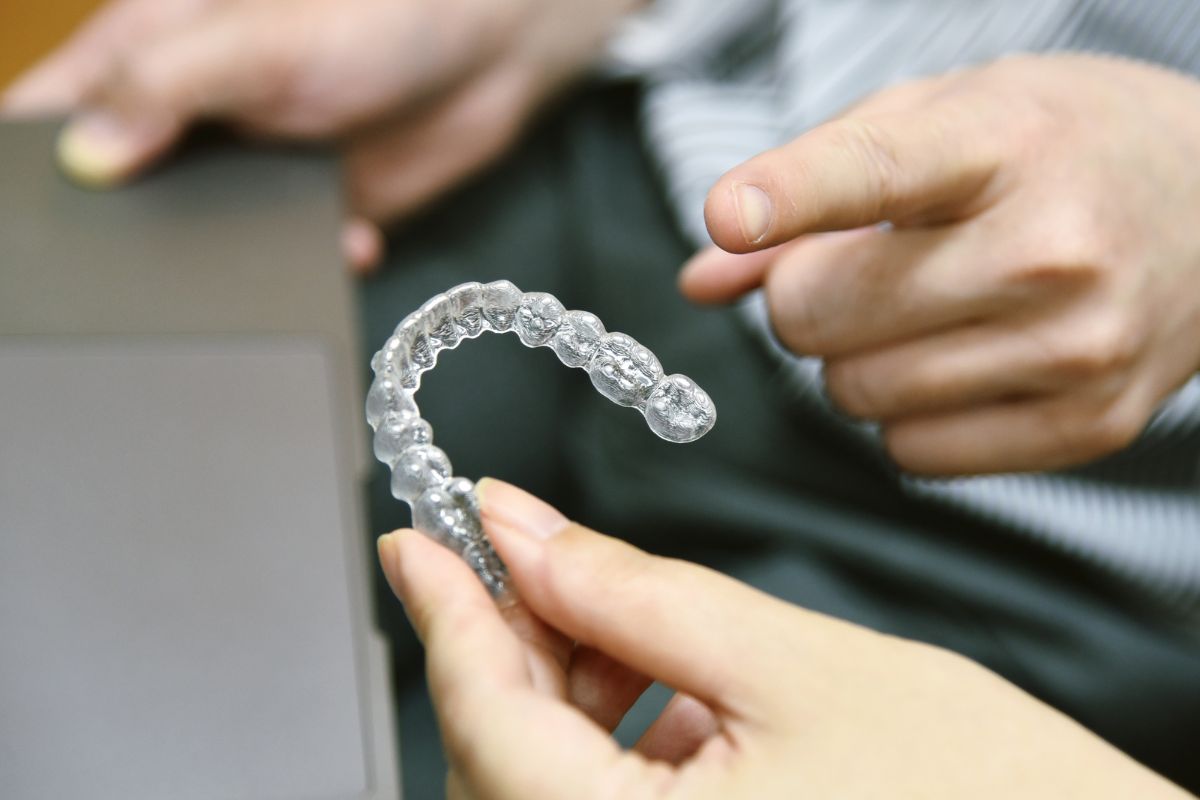
For milder cases, clear aligners might work, but braces excel in severe overbites.
What to Expect During Treatment
Treatment starts with a thorough exam, including impressions and photos. Then, braces go on, which feels odd at first but settles quickly.
Visits every few weeks allow adjustments. You’ll learn to clean around wires to keep things healthy.
Discomfort peaks in the first days after tweaks but eases with over-the-counter relief. Stick to soft foods initially.
Progress shows in months, with full correction often in one to three years. Patience pays off.
If you are searching for braces in Broken Arrow, OK, local options emphasize personalized plans using advanced tools for precise results.
Potential Challenges and Solutions
Some face irritation from brackets. Wax helps smooth edges.
Eating habits change; avoid sticky or hard items to prevent breaks.
Compliance matters. Following advice speeds success.
Long-Term Benefits of Correction
A fixed overbite improves chewing efficiency. It reduces strain on jaws, cutting headache risks.
Esthetically, a balanced smile boosts self-esteem. Proper alignment also aids in easier cleaning, lowering decay chances.
Studies show treated bites maintain stability with retainers.
Trending FAQs on Deep Overbite and Braces
Here are some common questions people ask on Google about this topic, with straightforward answers:
- How long does it take for braces to fix a deep overbite? It varies by severity, but expect 18 to 36 months. Mild cases might resolve faster, while complex ones need more time.
- Can braces alone correct an overbite? Yes, in many instances, especially dental overbites. Skeletal types might require added appliances like rubber bands.
- Do clear aligners work as well as braces for deep overbites? They suit mild to moderate cases but braces handle severe ones better due to stronger control.
- What causes a deep overbite? Genetics, prolonged pacifier use, or tongue thrusting often contribute.
- Is surgery needed for deep overbites? Rarely, only in extreme adult skeletal cases where orthodontics alone isn’t enough.
These address key concerns based on popular searches.
Overbite Treatment Statistics
Here’s a quick look at some relevant stats on overbite treatments, drawn from orthodontic studies:
| Aspect | Statistic | Source Insight |
|---|---|---|
| Prevalence of Overbites | About 70% of malocclusions involve overbite issues | General orthodontic data |
| Success Rate with Braces | 93% achieve positive overbite post-treatment | Adult open bite study (adapted for overbite context) |
| Planned vs. Achieved Correction | 50-60% of planned overbite reduction achieved with aligners; higher with braces | Invisalign-specific research |
| Long-Term Stability | Significant improvement maintained in most cases | Systematic review on deep bite correction |
These numbers highlight high effectiveness, especially with traditional methods.
Maintaining Results After Braces
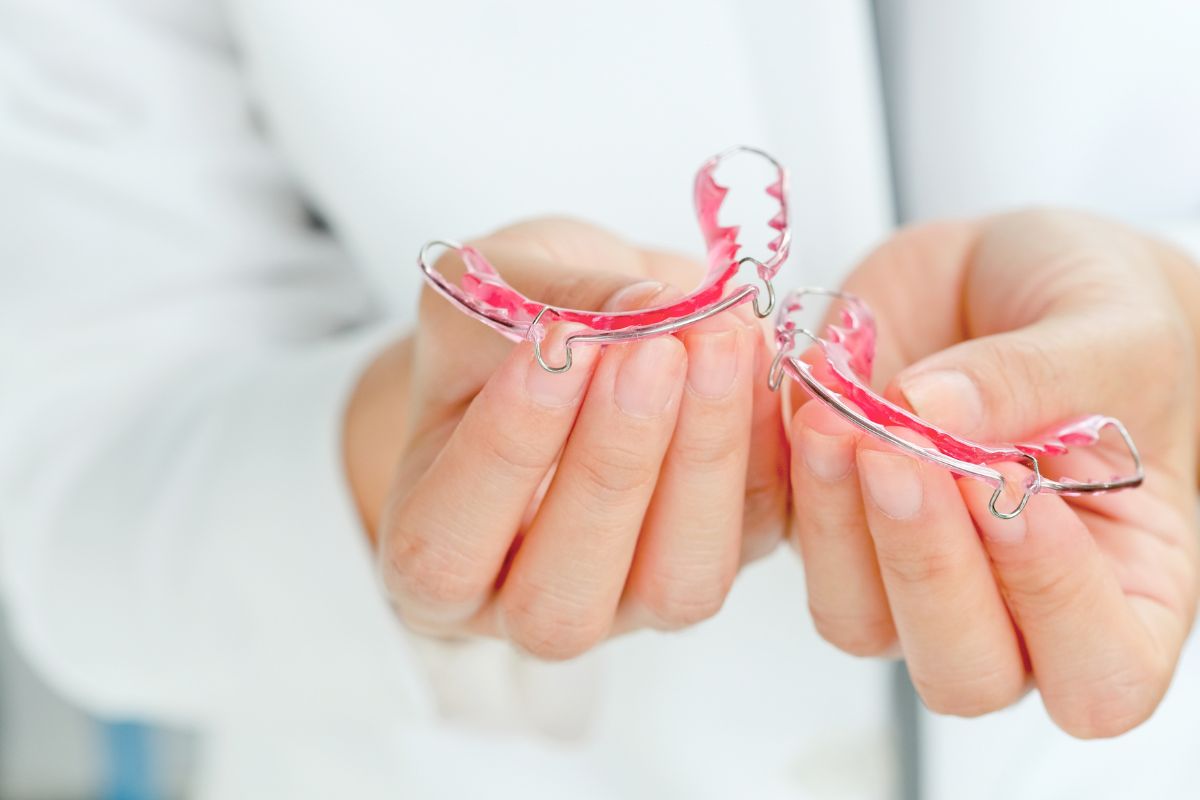
Once braces come off, retainers are key. Wear them as directed to prevent relapse.
Regular check-ups catch shifts early. Good oral habits support longevity.
Most enjoy stable outcomes for years.
If you are searching for an orthodontist near you, consider one with a focus on comprehensive care and modern techniques to ensure your journey is smooth.
Lifestyle adjustments, like avoiding nail-biting, help too.
When to Seek Professional Advice
Don’t wait if you suspect a deep overbite. Early intervention, especially in teens, yields better results as jaws are still growing.
Adults benefit too, with options fitting busy lives.
A consultation reveals your specific path.
As you consider your options, remember that correcting a deep overbite isn’t just about aesthetics—it’s an investment in your oral health and daily comfort. With the right approach, you can achieve a functional, beautiful smile that lasts. Take that first step toward feeling great about your grin.