Many people notice their teeth shifting as they enter adulthood. This often sparks worry about wisdom teeth causing the issue. You’re not alone in wondering if orthodontic options can help restore that aligned smile. Let’s dive into the facts and solutions.
Understanding Wisdom Teeth and Their Impact
Wisdom teeth emerge between ages 17 and 25. These third molars sit at the back of the mouth. Often, there’s not enough space for them. This leads to impaction or partial eruption.
Impacted wisdom teeth stay trapped in the jaw or gums. They can press against nearby molars. This pressure might contribute to minor shifts in alignment. Studies show about 90% of people have at least one impacted wisdom tooth.
Crowding happens when teeth overlap or twist. Wisdom teeth don’t always cause this directly. Natural jaw changes and daily habits play roles too. Still, their eruption can add tension in the back.
How Wisdom Teeth Affect Dental Alignment
Teeth naturally shift over time. Wear from chewing and tongue pressure contribute. Wisdom teeth add to this if they erupt sideways.
In some cases, they push second molars forward. This creates subtle crowding. Lower front teeth might feel the effect most. Research indicates up to 81% of young adults with wisdom teeth face inflammation or infection risks.
Not everyone experiences issues. If wisdom teeth grow straight with room, they may not disrupt alignment. Regular check-ups spot problems early.
The Role of Braces in Correcting Displacement
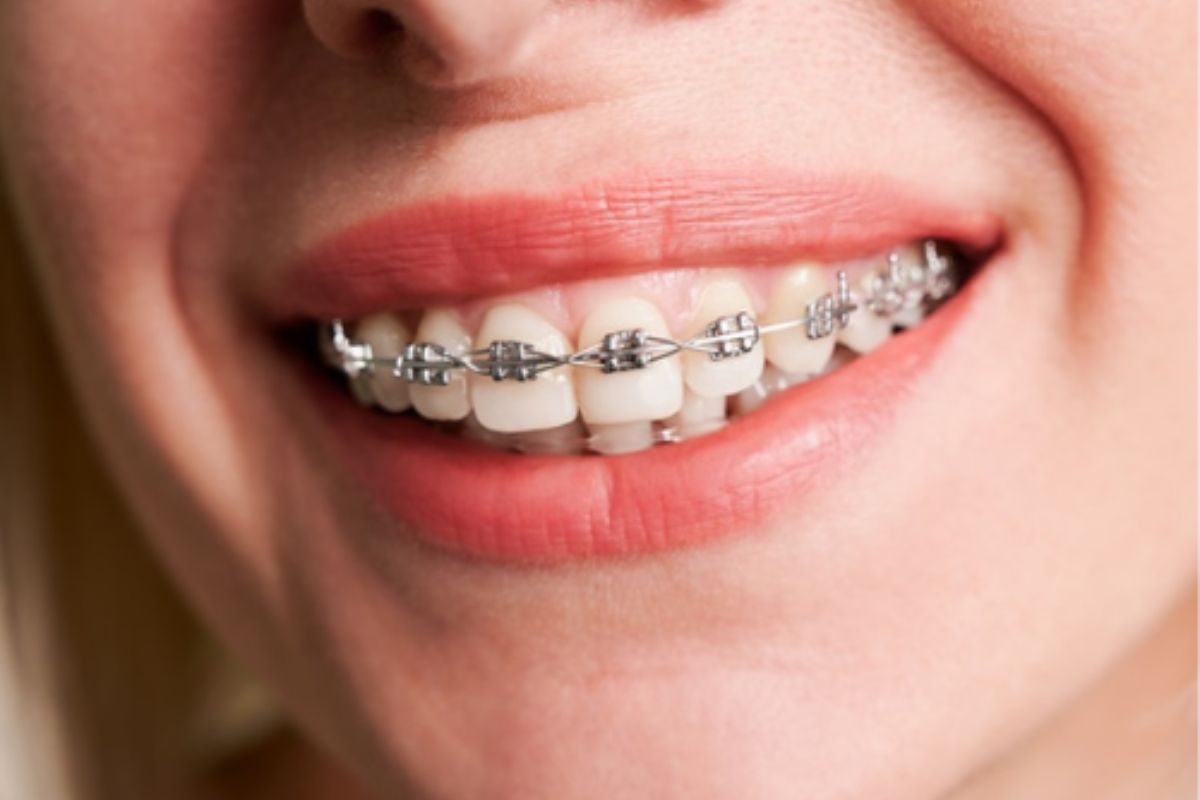
Braces apply steady pressure to move teeth. They can address crowding from various causes. If wisdom teeth have pushed others out, braces might realign them.
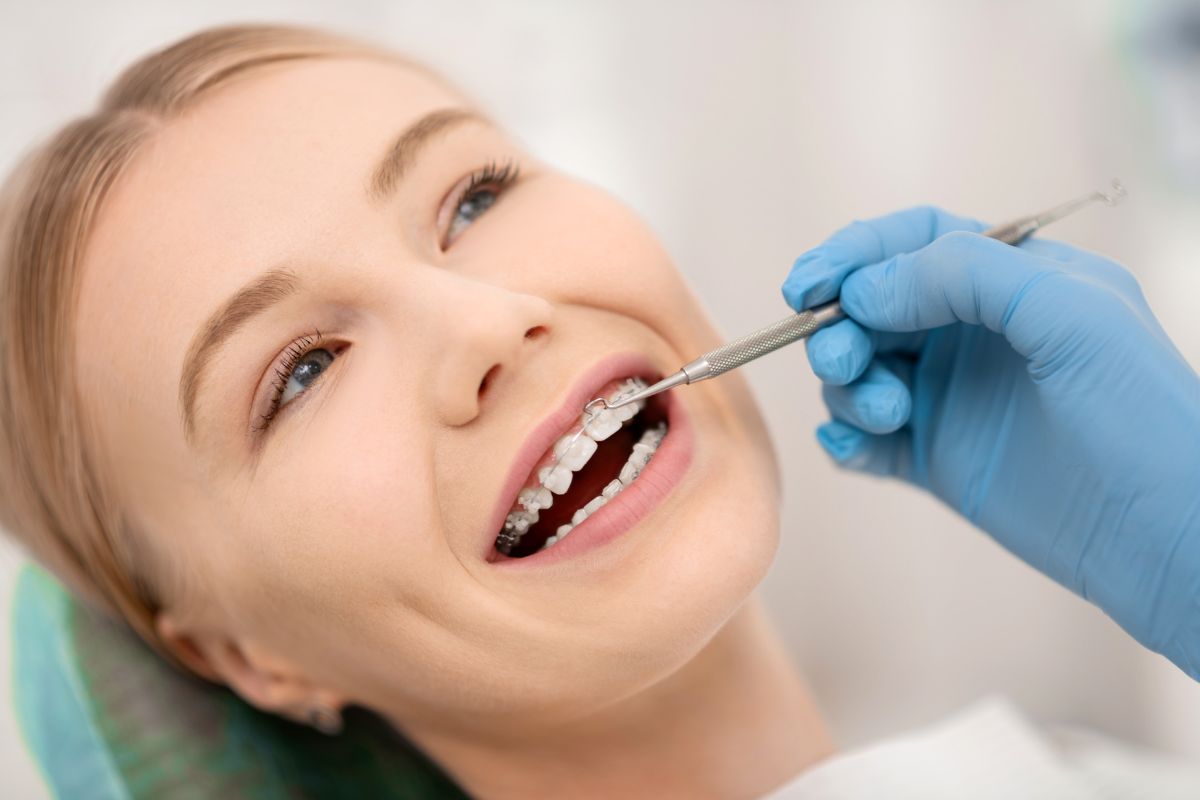
Orthodontists assess the situation first. They use X-rays to check wisdom teeth positions. Sometimes, extraction happens before or during treatment. This creates space for better results.
Braces work on visible teeth mainly. They pull displaced ones back into line. Treatment lasts 18 to 24 months on average. Follow-up retainers keep everything stable.
When to Consider Extraction Alongside Braces
Extraction isn’t always needed. It depends on impaction severity. If wisdom teeth cause pain or infection, removal helps.
Oral surgeons handle extractions safely. Recovery takes a few days. Post-extraction, braces can proceed without interference.
In Broken Arrow, many seek solutions for such issues. Local options ensure personalized care. Monitoring during teenage years prevents bigger problems.
Benefits of Addressing the Issue Early
Early intervention avoids complications. Teens often start braces before wisdom teeth fully erupt. This timing allows adjustments as needed.
Adults benefit too. Modern braces are discreet and effective. They fix shifts from years of pressure. A straight smile boosts confidence and oral health.
Fewer cavities and gum issues result from aligned teeth. Easier cleaning prevents decay. Overall, proactive steps lead to lasting results.
Trending FAQs on Wisdom Teeth and Braces
People often search for answers on this topic. Here are some frequently asked questions based on common Google queries, with clear responses:
- Do wisdom teeth really make teeth crooked after braces? Usually no. They exert some pressure but aren’t the main cause of crowding. Natural shifts and poor retainer use play bigger roles.
- Can you get braces with wisdom teeth still in? Yes, in many cases. Orthodontists monitor them during treatment. Extraction might occur if they interfere.
- Should wisdom teeth be removed before braces? It varies. If impacted or causing issues, yes. Otherwise, they can stay until problems arise.
- Can braces be placed on wisdom teeth? Sometimes, if they’ve erupted properly. But braces focus on front and middle teeth for alignment.
- Do wisdom teeth shift teeth after orthodontic treatment? They can contribute to minor changes, but research shows limited impact. Retainers help maintain straight teeth.
These address top concerns from online searches.
Key Statistics on Wisdom Teeth Issues
Here’s a quick table with relevant stats:
| Statistic | Percentage | Source Insight |
|---|---|---|
| People with at least one impacted wisdom tooth | 90% | American Academy of Oral and Maxillofacial Surgeons |
| Adults aged 20-29 experiencing inflammation around third molars | 81% | Medical studies on third molar health |
| Individuals needing wisdom tooth extraction at some point | 85% | General dental research data |
| Cases where wisdom teeth cause no alignment issues | ~35% | Healthline reports on eruption patterns |
These numbers highlight why monitoring is key.
Our braces treatment in Broken Arrow, OK, offers tailored approaches for such challenges. Experts use advanced tools for precise results. Patients report high satisfaction with improved smiles.
Options like clear aligners complement braces. They provide subtle correction. Discuss preferences with a professional.
Ongoing care matters. Regular visits track progress. Adjustments ensure optimal outcomes.
If you are searching for an orthodontist near you, consider local expertise for personalized guidance. They can evaluate your unique situation.
Taking action leads to a healthier mouth. Don’t wait for discomfort to worsen.
In summary, braces can indeed help straighten teeth affected by wisdom teeth. With proper evaluation and care, you achieve a confident smile. Stay informed and proactive for the best results.