Have you ever noticed tiny spaces between your teeth that seem out of place? These subtle gaps often stem from the natural shape of your teeth. They can affect your smile’s harmony and make you self-conscious. But modern solutions exist to address them gently. Clear aligners offer a discreet way to refine your grin without invasive methods. In this post, we’ll explore how they work, easing your worries with practical advice.
Understanding Small Gaps Caused by Tooth Shape
Small gaps, known as diastema, arise when teeth are narrower or peg-shaped. Peg laterals, for instance, are undersized incisors that leave spaces on either side. This happens due to genetics or development issues. Such gaps can trap food, raising risks for decay or gum problems. They also shift bite alignment over time.
Many people in areas like Broken Arrow seek ways to fix this. Tooth morphology plays a key role here. If teeth don’t fill the arch properly, spaces form. Recognizing this helps in choosing the right fix. Aligners shine by adjusting positions without altering tooth structure.
The Basics of Clear Aligners
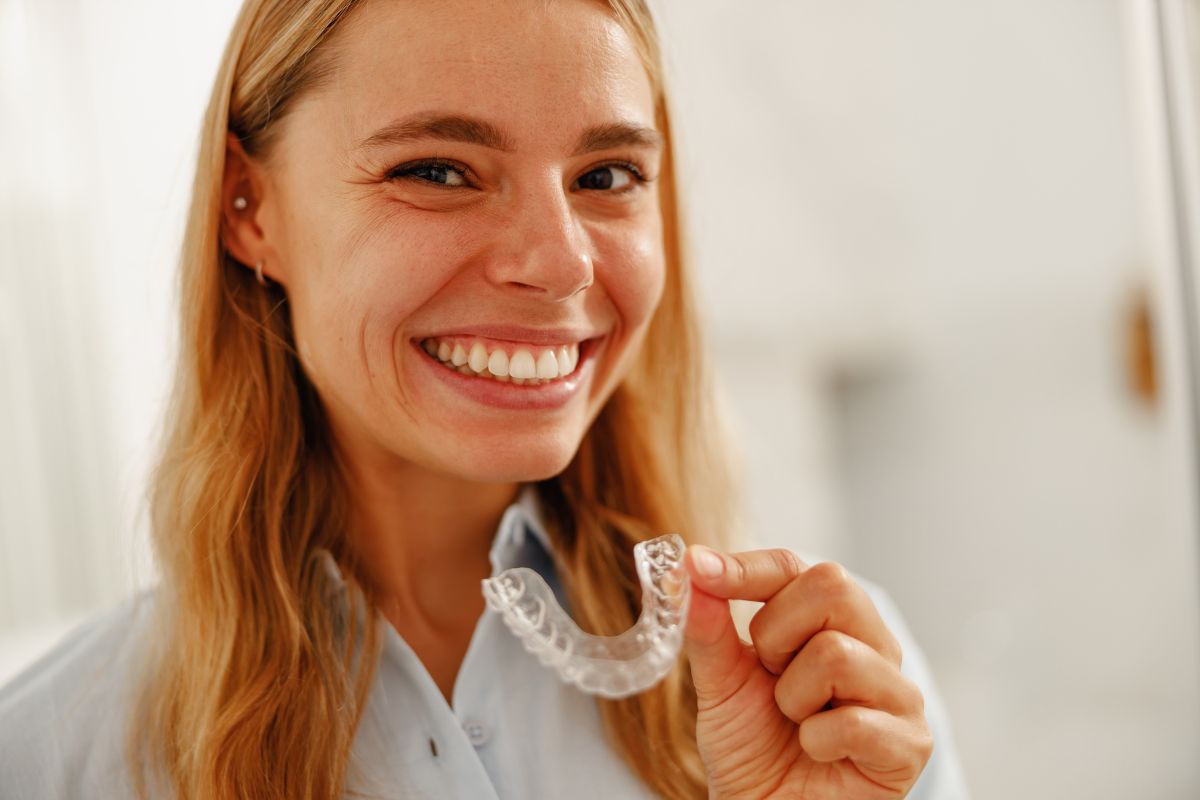
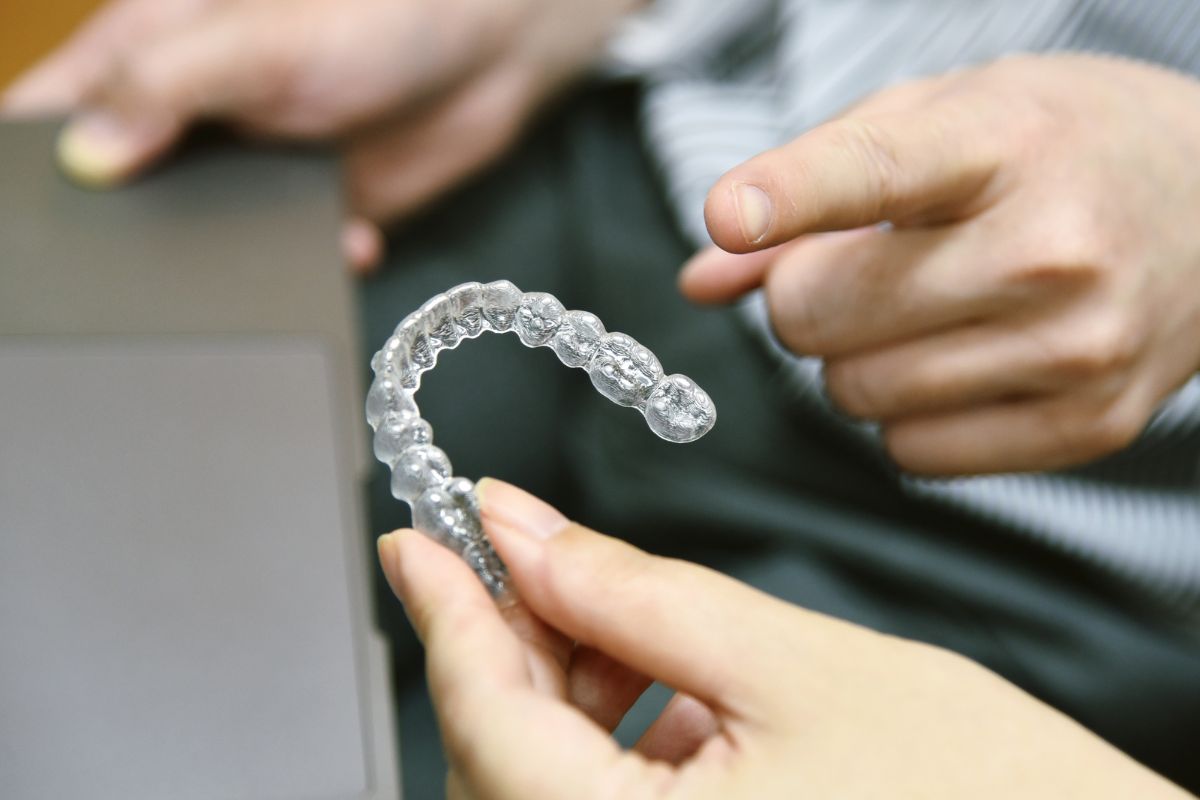
Clear aligners are custom trays made from smooth plastic. They fit snugly over teeth, applying steady pressure to guide movement. Unlike metal braces, they’re removable for eating and cleaning. Treatment starts with digital scans for precision.
These devices use advanced tech to plan shifts. Each set advances the progress slightly. Wear them 20-22 hours daily for best results. They’re ideal for mild issues, including spacing from shape variations.
How Aligners Address These Gaps
Aligners close gaps by exerting controlled force on surrounding teeth. For shape-related spaces, they nudge adjacent teeth closer. This evens out the arch without fillings or crowns.
The process involves sequential trays. Early ones focus on initial shifts. Later ones refine closure. Attachments, small tooth-colored bumps, may help grip for tougher moves. This targets gaps from small teeth effectively.
In places offering invisalign treatment in Broken Arrow, OK, patients see great outcomes. Gaps shrink gradually, often in months. The method respects natural tooth form while improving aesthetics.
Benefits of Using Aligners for Gap Closure
Aligners blend into daily life seamlessly. Their transparency means no one notices them. Remove them for meals, avoiding food restrictions. This boosts comfort over traditional options.
They promote better oral health too. Easier brushing reduces plaque buildup in gaps. Results feel natural, enhancing confidence. Many report improved chewing after treatment.
What to Expect During Treatment
Your journey begins with a consultation. The provider assesses your gaps and scans your mouth. A 3D model shows the planned changes. You’ll get a series of aligners, switching every one to two weeks.
Check-ins every few weeks track progress. Adjustments ensure smooth sailing. Total time varies by gap size. Small ones often resolve quicker. Stay consistent for optimal shifts.
Potential Challenges and Solutions
Some worry about discomfort. Initial soreness fades in days. Use wax or chewies to seat trays better. If gaps stem from severe shape issues, combine with other fixes like bonding.
Tracking issues arise if aligners aren’t worn enough. Set reminders to stay on course. Address concerns early with your provider. Most challenges are minor and resolvable.
Trending FAQs on Aligners and Tooth Gaps
Curious about common queries? We’ve gathered trending FAQs based on what people frequently ask online. These cover key aspects of using aligners for gaps from tooth shape.
- Can aligners close gaps between teeth? Yes, they excel at small to moderate gaps. By applying gentle pressure, they move teeth together over time. Success depends on the gap’s cause and size.
- How long does it take for aligners to close gaps? Small gaps may close in 3-6 months. Moderate ones take 6-12 months. Factors like compliance and tooth response influence the timeline.
- Are aligners effective for gaps caused by tooth shape? Absolutely. They shift surrounding teeth to fill spaces from peg-shaped or small teeth. This creates a more uniform smile without reshaping.
- What if the gap is due to missing teeth? Aligners can prepare space for implants or bridges. They don’t replace teeth but optimize alignment around the gap.
- Do I need attachments for closing gaps? Often yes, for better control. These tiny aids help aligners grip and direct force precisely.
Key Statistics on Aligner Treatment Success
Data shows aligners work well for spacing issues. Here’s a quick table with stats from orthodontic studies:
| Gap Size | Average Treatment Time | Success Rate |
|---|---|---|
| Small (1-2mm) | 3-6 months | 90% |
| Moderate (2-4mm) | 6-12 months | 85% |
| Larger (over 4mm) | 12-18 months | 80% |
These figures highlight high effectiveness for shape-related gaps. Consistent wear boosts outcomes.
Maintaining Results After Treatment
Once gaps close, retainers preserve the alignment. Wear them as directed, often nightly. Regular cleanings prevent new issues. Healthy habits like flossing keep spaces at bay.
Monitor for shifts over time. Aging or habits can reopen gaps. Quick check-ups catch problems early. This ensures your smile stays even.
If you are searching for an Invisalign provider near you, consider local options with strong reputations. They offer tailored plans for your needs. It’s a step toward confidence.
Aligners provide a modern path to harmony. They handle shape-induced gaps with ease. Embrace the change for lasting benefits.
Small gaps don’t define your smile. With aligners, achieve the look you want. Feel empowered by informed choices. Your grin deserves this attention.