Imagine flashing a confident smile at work or a family gathering without anyone noticing your orthodontic journey. That’s the appeal of ceramic braces. These subtle alternatives to metal brackets promise discretion while guiding your teeth to perfection. Yet, a nagging worry often arises: will they stay clear, or will everyday habits leave unsightly marks? In this guide, we’ll unpack the truth behind staining risks and share practical steps to keep your smile pristine. Whether you’re starting treatment or midway through, these insights will empower you to enjoy the process worry-free.
What Are Ceramic Braces and Why Choose Them?
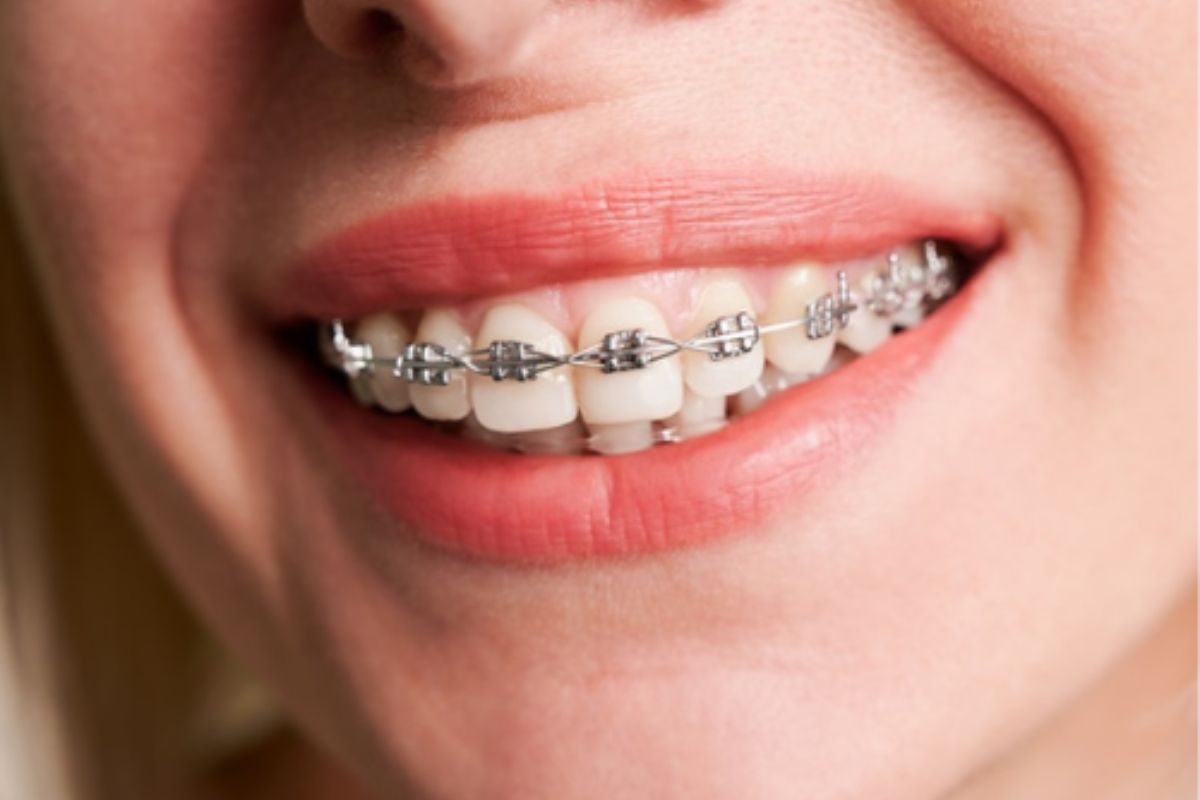
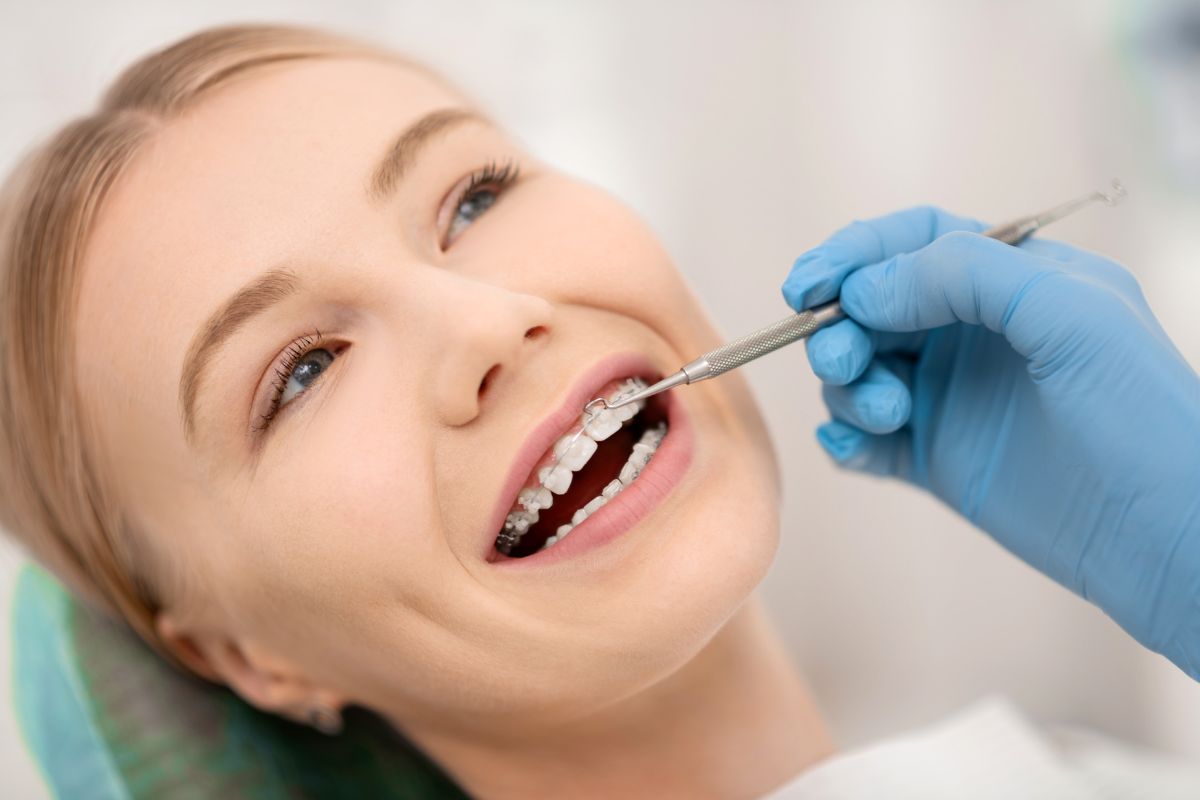
Ceramic braces, often called clear braces, use tooth-colored brackets made from durable porcelain or composite materials. They attach to a thin wire, applying gentle pressure to shift teeth into alignment. Unlike shiny metal options, these blend seamlessly with natural enamel, making them ideal for adults or teens in professional or social settings.
Patients love them for their low visibility. Orthodontic experts note that ceramic systems correct issues like crowding, gaps, or bite misalignments effectively, often in 12 to 24 months. They’re also biocompatible, reducing irritation for sensitive mouths. In areas like Broken Arrow, OK, where active lifestyles demand a polished look, these braces fit right in. Still, their aesthetic edge hinges on one key factor: maintenance against discoloration.
The Truth About Staining in Ceramic Braces
Let’s cut to the chase—do ceramic braces stain? The short answer: the brackets themselves resist stains remarkably well. Made from polished, non-porous materials, they repel pigments better than natural teeth in many cases. However, the elastic ties (ligatures) that secure the wire can absorb colors from food, drinks, or habits, leading to yellowing or browning over time.
Real patient stories echo this. Many report pristine brackets after months, but the ties are turning dingy from daily coffee sips. Factors like plaque buildup amplify risks, as trapped particles create a sticky base for stains. Poor hygiene isn’t the only culprit; even diligent brushers face challenges from vibrant meals. The good news? Awareness turns this hurdle into a manageable routine.
Common Culprits: What Causes Stains on Your Braces?
Stains sneak up from surprising sources. Dark beverages top the list—coffee, tea, and red wine deposit tannins that cling to ties. Berries, tomato-based sauces, and curry spices follow suit, their bold hues seeping into porous elastics. Soda’s acidity erodes surfaces slightly, inviting more discoloration.
Tobacco use is a major offender too. Nicotine’s yellow residue coats everything, from brackets to enamel. Even colored mouthwashes contribute if they’re not clear. In one informal survey of orthodontic patients, over 60% cited coffee as their biggest staining foe. Heat from hot drinks can worsen adhesion of pigments, so iced versions might fare better.
| Common Staining Agents | Risk Level (Low/Med/High) | Why It Stains |
|---|---|---|
| Coffee/Tea | High | Tannins bind to elastics quickly |
| Red Wine/Berries | High | Natural pigments penetrate pores |
| Tomato Sauce/Curry | Medium | Acidic dyes linger after meals |
| Soda | Medium | Sugars and colors promote plaque |
| Tobacco | High | Yellow tar coats all surfaces |
This table highlights everyday threats. Spot patterns in your diet? That’s your cue to adapt.
Do Ceramic Braces Stain More Than Other Options?
Compared to metal braces, ceramic ones show stains more obviously due to their transparency. Metal hides discoloration under its sheen, but clear ties broadcast every tint. Clear aligners like Invisalign dodge this entirely—they’re removable for cleaning and less exposed to pigments.
Yet, ceramics edge out metals in comfort and aesthetics for many. Brackets are smoother, reducing cheek irritation. A study from orthodontic journals found ceramic systems fracture twice as often as metal under force, but staining rates? Similar if hygiene lapses. The key difference: visibility. If discretion matters, proactive care keeps ceramics competitive.
Proven Strategies to Prevent Staining on Ceramic Braces
Prevention starts with smart swaps. Use a straw for staining drinks—it bypasses front teeth and ties entirely. Rinse with water immediately after meals to flush residues. Opt for light gray or tooth-toned elastics; they camouflage minor hues better than stark white.
For those,seeking clear ceramic braces in Broken Arrow, OK, local practices emphasize these tweaks alongside advanced self-ligating systems that minimize tie use. Brush after every meal with a soft electric toothbrush and fluoride paste—aim for two minutes, angling at 45 degrees to brackets. Floss daily with threaders to clear under-wires, where 70% of plaque hides.
Skip whitening agents during treatment; they whiten exposed enamel unevenly, leaving bands behind brackets. Chew sugar-free gum to boost saliva flow, naturally washing away particles. These habits cut staining risks by up to 80%, per clinical observations.
Daily Oral Hygiene Routine for Crystal-Clear Braces
Build a foolproof routine. Mornings: Brush, floss, then mouthwash. Post-lunch: Portable kit with interdental brushes for quick cleans. Evenings: Deep clean with proxy brushes around brackets.
Incorporate baking soda toothpaste weekly for gentle abrasion without wear. Track progress with weekly photos—early spots mean early fixes. Hydration helps too; dry mouths invite bacteria. Consistency here transforms potential pitfalls into non-issues.
Trending FAQs on Ceramic Braces and Staining
Curious minds often turn to search engines for quick answers. Based on popular Google queries, here are the top questions with straightforward responses:
- Do ceramic braces stain easily? Not the brackets—they’re stain-resistant. But elastics can yellow from pigments if not cleaned promptly. With good habits, most see minimal issues.
- Can you whiten teeth with ceramic braces? Avoid it during treatment. Whitening skips under-bracket areas, causing uneven color post-removal. Wait until braces come off.
- How do I clean stained ceramic braces? Rinse immediately, then brush with non-abrasive paste. Your orthodontist can replace ties at visits; professional polishings remove buildup.
- Do clear braces stain more than Invisalign? Yes, due to fixed ties absorbing colors. Aligners are removable, so they’re easier to keep spotless.
- What foods stain ceramic braces the most? Coffee, tea, berries, and sauces. Use utensils to cut food, reducing direct contact.
These cover the buzz—addressing them head-on builds trust.
Long-Term Maintenance: Keeping Stains at Bay Throughout Treatment
Beyond daily care, attend every adjustment appointment. Orthodontists spot early discoloration and swap components swiftly. Monitor for changes like tighter ties signaling plaque.
As treatment progresses, enamel strengthens with fluoride rinses. Post-braces, retainers prevent shifts that could invite new stains. Long-haul commitment yields a radiant, aligned smile.
If you are searching for an orthodontist near you, look for one who specializes in discreet options and patient education. Their guidance tailors prevention to your lifestyle, ensuring success.
Embracing ceramic braces means prioritizing a proactive mindset. You’ve got the tools now—brush smart, sip wisely, and watch your subtle sparkle endure. Ready to align your path to a flawless grin? Call 539-842-6255 to schedule an appointment today and step into clearer confidence tomorrow. Your dream smile awaits, one stain-free day at a time.