Have you ever wondered what makes those vibrant braces colors pop? Many folks worry about hidden risks in the pigments. Rest assured, modern orthodontics prioritizes safety. This post dives into the facts, easing your concerns with expert insights. You’ll learn how these colors work and why they’re generally safe for most smiles.
Understanding Colored Braces
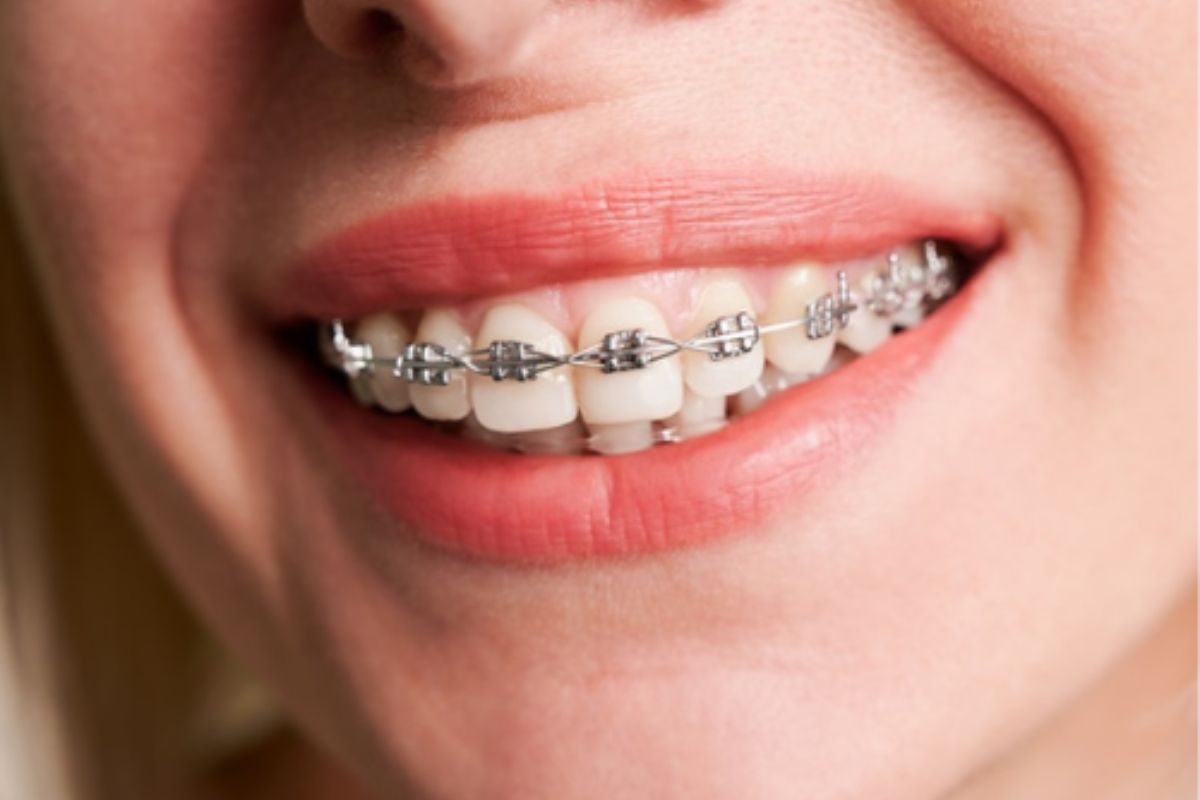
Colored braces add fun to orthodontic treatment. They use elastic bands around brackets. These bands come in many shades. Kids and teens love picking new hues at each visit. Adults enjoy subtle options too.
Braces align teeth over time. Brackets attach to teeth. Wires connect them. Elastics hold wires in place. Colors stem from dyes in these elastics.
Orthodontists offer a wide range. From bold reds to soft blues. Choices reflect personality. Yet, safety remains key.
The Composition of Braces Pigments
Pigments in braces are food-grade dyes. They mimic those in candies or drinks. Manufacturers use synthetic or natural sources. These ensure bright, lasting colors.
Elastics are silicone or polyurethane. Dyes blend in during production. No heavy metals involved. This keeps them lightweight and flexible.
Research shows these materials resist breaking down. They withstand oral environments. Saliva and food don’t leach harmful substances.
Safety Standards for Orthodontic Materials
Orthodontic supplies meet strict rules. The FDA oversees them in the U.S. Pigments must pass toxicity tests. They can’t cause harm when used as intended.
Studies confirm low risk from pigments. Most issues tie to other parts, like brackets. Local experts in areas like Broken Arrow emphasize safe options.
Brands test for biocompatibility. This means they work well with body tissues. No widespread reports of pigment-related problems exist.
Hypoallergenic Aspects of Colored Braces
Hypoallergenic means low allergy risk. Braces pigments fit this bill for most. Dyes are inert. They don’t react with skin or mucosa.
Some elastics are latex-free. This helps those with latex sensitivities. Clear or white options avoid dyes altogether.
When debating ceramic vs metal braces, consider allergies. Ceramic often suits sensitive folks better. Both can use safe colored elastics.
Allergies are rare. Symptoms might include mild irritation. Orthodontists screen for risks upfront.
Common Concerns and Myths
Many fear pigments stain teeth. Truth is, they don’t. Stains come from food on elastics. Change them often to avoid this.
Another myth: pigments cause cancer. No evidence supports this. Approved dyes are safe.
Worried about fading? Quality elastics hold color well. Dark shades last longer than lights.
Brushing helps. Use soft brushes. Avoid abrasive pastes.
Trending FAQs
People often search for answers on colored braces safety. Here are some top questions from Google, with clear responses.
- Do colored braces stain your teeth?
No, the pigments don’t stain teeth directly. Stains happen on elastics from food or drinks. Regular changes and good hygiene prevent this. - What braces colors don’t stain easily?
Darker shades like navy blue or dark green resist stains better. Avoid white or clear if you drink coffee often. - Are pigments in colored braces toxic?
No, they’re made from FDA-approved, food-grade dyes. These are safe for oral use and don’t leach harmful chemicals. - Can you be allergic to braces colors?
Allergies to pigments are very rare. More common issues stem from latex or nickel. Opt for hypoallergenic elastics if concerned. - How often should you change braces colors?
Typically every 4-6 weeks at adjustments. This keeps them fresh and hygienic.
Allergy Statistics in Orthodontics
Allergies worry many starting treatment. Here’s a look at key stats.
| Allergy Type | Prevalence in General Population | Prevalence in Ortho Patients | Notes |
|---|---|---|---|
| Nickel Allergy | 10-20% (higher in females) | Similar to general | Common in brackets, not pigments. Use nickel-free options. |
| Latex Allergy | 1-6% | 1-5% | Affects elastics. Latex-free alternatives available. |
| Pigment/Dye Allergy | Less than 1% | Rare, under 0.5% | Mostly mild irritation. FDA-approved dyes minimize risk. |
| Titanium Allergy | Around 4% | 2-4% | Used in some wires. Hypoallergenic for most. |
These numbers come from studies like those in the Journal of Orthodontics. Most patients face no issues. Screening helps catch risks early.
Tips for Choosing Safe Braces Colors
- Pick colors that suit your style. Darker tones hide stains. Lighter ones brighten smiles.
- Ask about hypoallergenic bands. Many offices stock them.
- Maintain oral care. Brush after meals. Floss daily.
- Watch for reactions. Redness or swelling? Tell your orthodontist right away.
- Change colors often. This keeps things fun and safe.
Many people opt for braces in Broken Arrow, OK, to achieve that perfect smile while enjoying customizable options.
Consider your diet. Avoid dark drinks with light colors.
Consult pros for advice. They know best materials.
Making the Right Choice for Your Smile
If you are searching for “orthodontist near me” in Broken Arrow, OK, know that local experts can guide you through safe choices.
In summary, pigments in colored braces are safe and often hypoallergenic. They add joy to treatment without major risks. Backed by standards and research, they help create beautiful smiles. Ready to start? Call 539-842-6460 to schedule an appointment today.