Have you ever wondered if straightening your teeth could change how you sound? Many people hesitate about orthodontic options due to fears of speech issues. Invisalign aligners promise a discreet way to achieve a beautiful smile, but questions about pronunciation linger. Let’s dive into the facts to ease your mind.
Understanding Invisalign Aligners
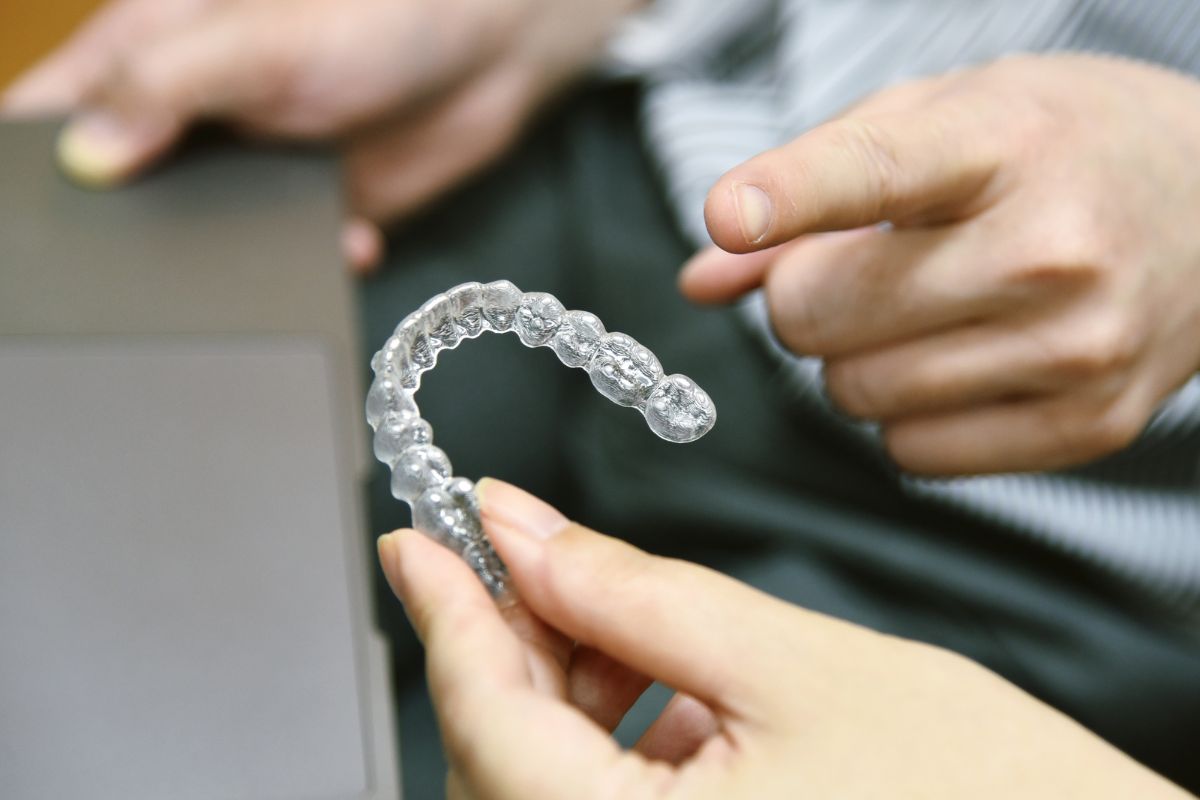
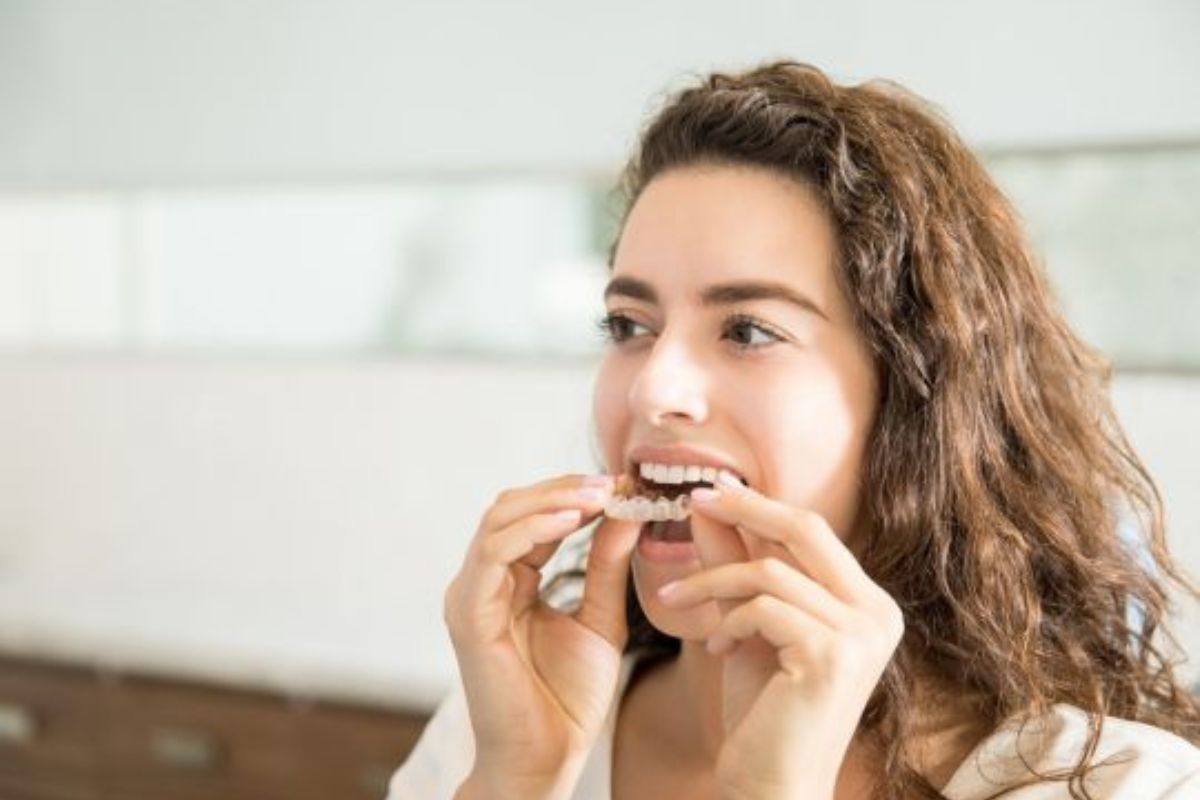
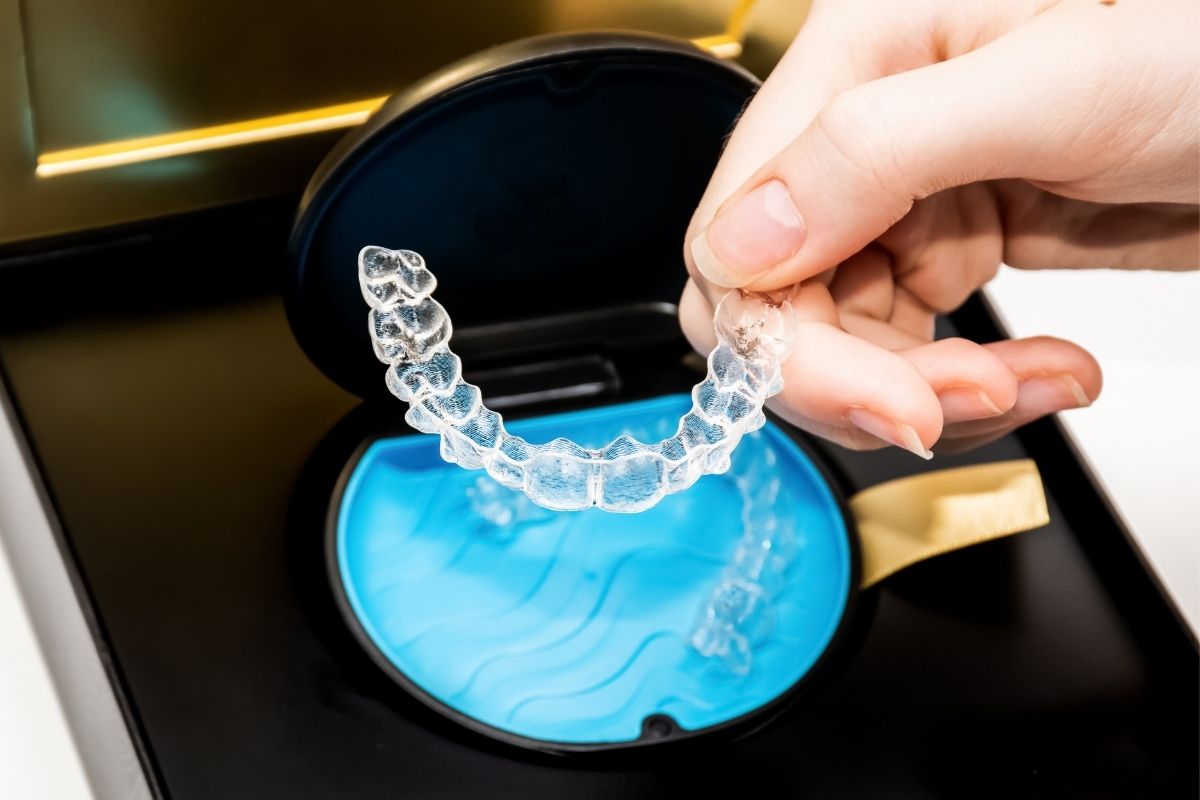
Invisalign are custom-made trays that gently shift teeth into place. They fit snugly over your teeth. Unlike metal braces, they are removable for eating and cleaning. This makes them popular among adults and teens. Patients often choose them for their subtle appearance.
How Invisalign Work on Your Teeth
Invisalign aligners in apply steady pressure to guide tooth movement. You switch trays every one to two weeks. Each set builds on the last for gradual changes. Treatment lasts 12 to 18 months on average. Regular check-ups ensure progress stays on track.
The Impact on Speech
Invisalign can alter speech slightly at first. The trays create a new feel in your mouth. Your tongue adapts to this change over time. Most notice minor shifts in how words form.
Why a Lisp Might Occur
A lisp happens when air flows differently around the aligners. The plastic covers teeth edges, affecting tongue placement. Sounds requiring tongue-to-teeth contact get impacted. This is common in the initial days.
Common Sounds Affected
Certain sounds prove trickier with aligners. Research shows /s/ and /z/ top the list. /sh/, /th/, and /ch/ follow closely. Acoustic studies confirm these changes. But adaptation reduces errors quickly.
| Sound | Potential Effect | Adaptation Time |
|---|---|---|
| /s/ | Whistling or slurring | 1-7 days |
| /z/ | Buzzing distortion | 1-7 days |
| /sh/ | Hissing alteration | 3-14 days |
| /th/ | Thicker pronunciation | 3-14 days |
| /ch/ | Sharper or softer | 1-7 days |
How Long Does the Lisp Last?
For most, any lisp fades within days. Some adjust in hours. Studies indicate full adaptation in one to two weeks. Only 3-4% face ongoing issues. Persistent problems warrant a professional check.
Tips to Overcome Speech Changes
Practice helps speed up adjustment. Read aloud daily. Focus on tricky words. Speak slowly at first. Chew gum to build mouth awareness. Remove aligners briefly if needed for key talks. These steps boost confidence fast.
To maintain your results long-term, follow post-treatment guidelines. Skipping retainers can lead to invisalign relapse. This shifts teeth back, possibly requiring more aligners and facing speech tweaks again.
Trending FAQs on Clear Aligners and Speech
Here are some frequently asked questions based on what people often search on Google:
- Does Invisalign give you a lisp?
Yes, it can cause a temporary lisp due to the aligners altering tongue movement, but it usually resolves quickly with practice. - How long does the Invisalign lisp last?
Most people adapt within a few days to two weeks; some notice improvement in just hours. - How can I get rid of my Invisalign lisp?
Practice speaking out loud, read books or scripts, and focus on enunciation to help your mouth adjust faster. - Do Invisalign affect singing or public speaking?
Initially, yes, but with time and tips like vocal exercises, most return to normal performance levels. - Will Invisalign change my voice permanently?
No, any changes are temporary; speech returns to normal after adaptation or treatment ends.
If you are searching for an orthodontist near you in Broken Arrow, OK, consider how local experts can guide you through options like Invisalign. They offer personalized advice to match your needs.
Invisalign aligners open doors to straighter teeth without major disruptions. Embrace the journey, knowing speech concerns are short-lived. Call 539-842-6460 today to schedule an appointment and start confidently.