Starting orthodontic treatment is an exciting step toward a confident smile. Tracking progress during the early stages ensures you stay informed and motivated. This guide shares practical ways to monitor your journey, address common concerns, and keep your treatment on track with expert insights.
Why Tracking Progress Matters
Early orthodontic treatment sets the foundation for a successful outcome. Monitoring progress helps you understand changes, ensures adjustments are effective, and keeps you engaged. It also allows you to communicate better with your orthodontist, addressing issues promptly.
Benefits of Staying Proactive
- Early Issue Detection: Spotting problems like discomfort or misalignment early prevents complications.
- Motivation Boost: Seeing progress, even small changes, keeps you committed.
- Better Communication: Tracking helps you provide clear feedback to your orthodontist.
Key Indicators of Progress in Early Treatment
Knowing what to look for makes tracking easier. Here are key signs to monitor during early orthodontic treatment in Broken Arrow, OK.
Tooth Movement and Alignment
Check for subtle shifts in tooth position. Gaps may close, or crowded teeth may start spacing out. Use a mirror to observe changes weekly. Small movements are normal and indicate your braces or aligners are working.
Comfort and Fit of Appliances
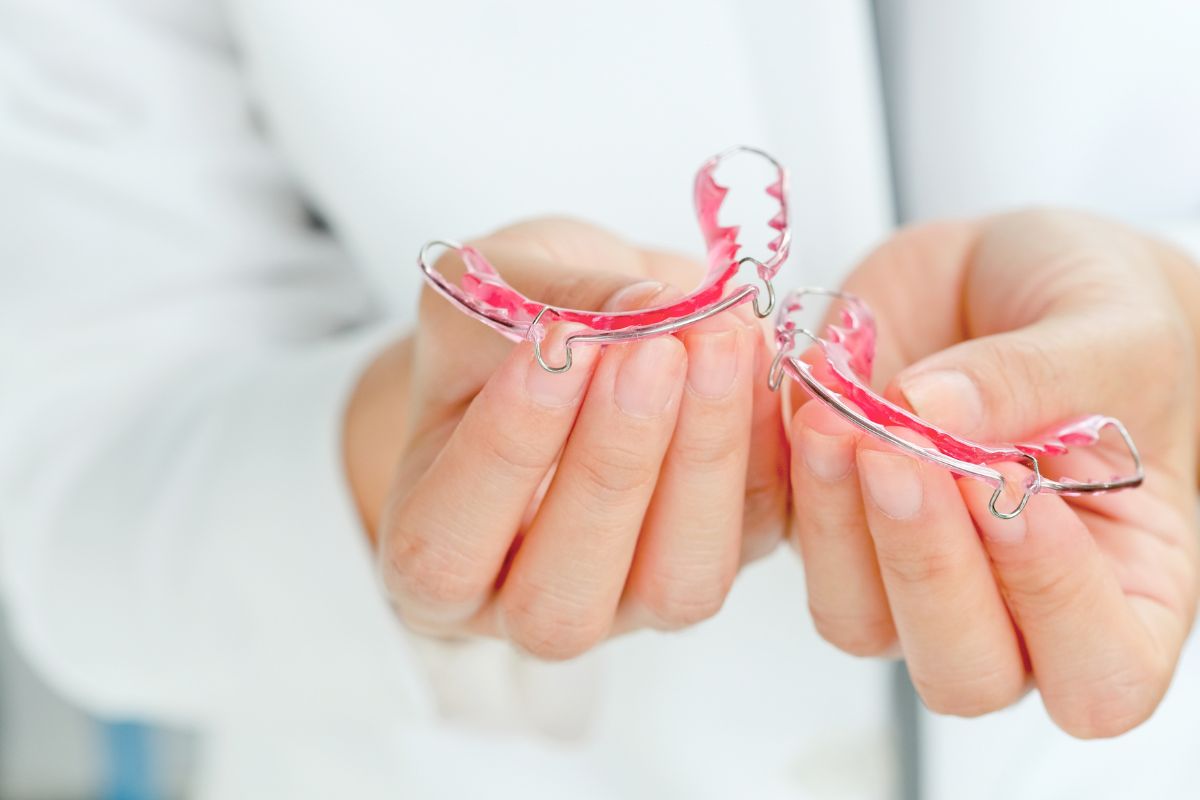
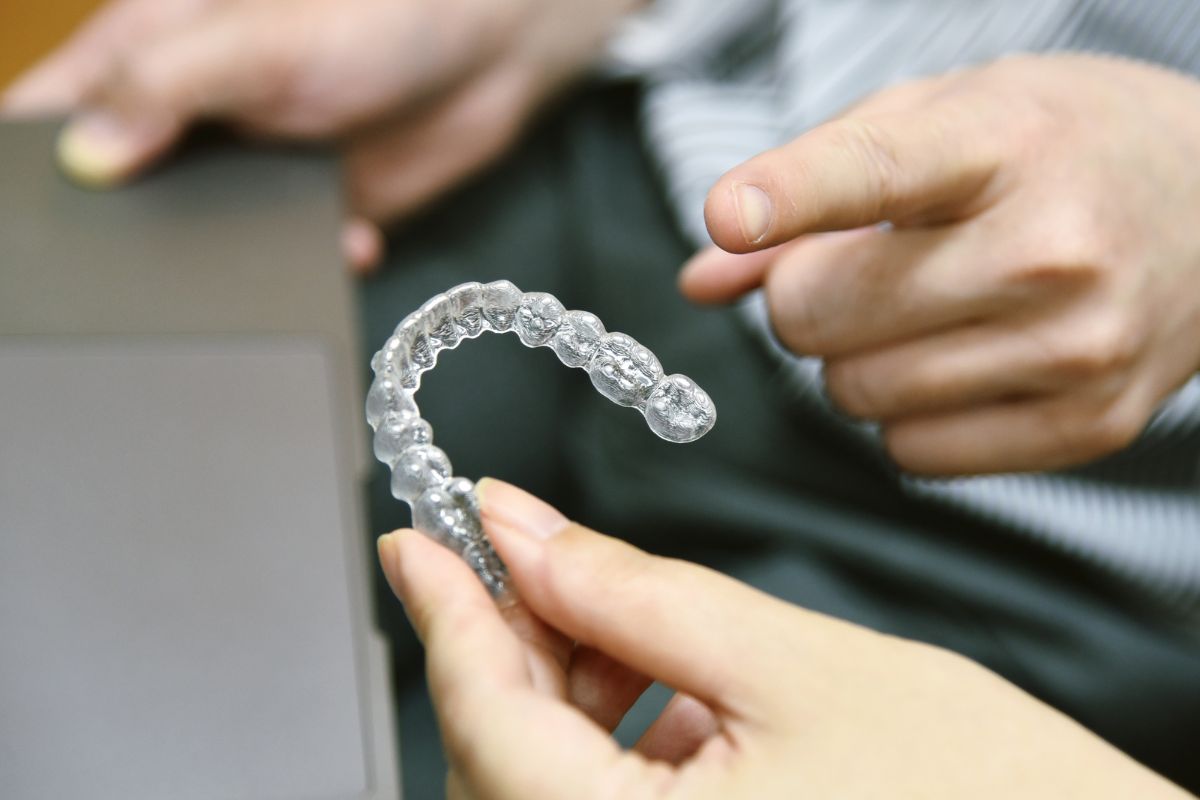
Braces or aligners should feel snug but not painful. Initial discomfort is common, but persistent pain may signal an issue. Note how appliances fit over time. Loose brackets or ill-fitting aligners need attention.
Oral Health Improvements
Healthy gums and teeth are vital. Look for reduced inflammation or bleeding when brushing. Improved oral hygiene often accompanies early treatment as teeth align, making cleaning easier.
Practical Ways to Track Your Progress
Tracking involves simple habits and tools. Here’s how to stay on top of your treatment.
Keep a Treatment Journal
Record daily observations in a notebook or app:
- Note discomfort or changes in bite.
- Track how long you wear aligners or elastics.
- Log appointments and orthodontist recommendations.
This journal helps you spot patterns and discuss progress accurately.
Take Progress Photos
Photos are a great way to visualize change. Take clear, well-lit photos of your teeth every 2-4 weeks. Use the same angle and lighting for consistency. Compare images to see movement over time.
Monitor Appointment Milestones
Orthodontic appointments are key checkpoints. Ask your orthodontist about specific goals for each visit, like tightening braces or switching aligners. Note these milestones to track progress.
Common Challenges and How to Address Them
Early treatment can come with hurdles. Here’s how to tackle them.
Managing Discomfort
Soreness is normal, especially after adjustments. Use over-the-counter pain relievers, stick to soft foods, and rinse with saltwater. If pain persists, contact your orthodontist.
Staying Compliant with Treatment
Wearing aligners or elastics as prescribed is crucial. Set reminders on your phone or use apps to ensure consistency. Non-compliance can slow progress, so stay diligent.
Handling Unexpected Changes
Loose brackets, poking wires, or shifting aligners can happen. Don’t panic—reach out to your orthodontist immediately for adjustments. Quick fixes keep treatment on track.
The Role of Your Orthodontist in Tracking Progress
Your orthodontist is your partner in this journey. If you are searching for an “orthodontist near me”, choose one who communicates clearly and uses modern tools like digital scans or X-rays to monitor progress. Regular check-ins ensure your treatment aligns with goals.
What to Ask During Appointments
- How are my teeth moving compared to the plan?
- Are there any adjustments needed?
- What should I expect in the next phase?
Clear communication builds trust and keeps you informed.
Trending FAQs on Tracking Orthodontic Progress
Here are answers to common questions people ask about monitoring early orthodontic treatment, based on popular Google searches:
- How long does it take to see results from braces or aligners?
Visible changes often start within 1-3 months, but full results vary based on your treatment plan. - Can I track my progress at home?
Yes, use photos, journals, or apps to monitor changes, but always consult your orthodontist for professional insights. - What if I don’t see progress?
Slow progress may be normal, but discuss concerns with your orthodontist to rule out issues like non-compliance or appliance problems. - How often should I visit my orthodontist?
Most patients visit every 4-8 weeks, depending on the treatment stage and orthodontist’s plan. - Do aligners work faster than braces?
Speed depends on the case, not the appliance. Compliance with aligners is key to timely progress.
Tips for Staying Motivated
Staying engaged keeps you committed to your treatment. Visualize your end goal—a confident smile. Celebrate small wins, like a straighter tooth or easier brushing. Connect with others undergoing treatment for support, whether through online forums or local groups.
Create a Support System
Share your journey with family or friends. They can remind you to stay consistent and celebrate milestones. Some orthodontic practices also offer patient communities for encouragement.
Focus on Long-Term Benefits
Remind yourself why you started. Improved confidence, better oral health, and a stunning smile are worth the effort. Keep a photo of your dream smile for inspiration.
Final Thoughts on Tracking Your Orthodontic Journey
Monitoring your orthodontic treatment empowers you to take charge of your smile transformation. By staying proactive, using simple tools, and communicating with your orthodontist, you can ensure steady progress. Celebrate each step forward, and soon, you’ll see the results you’ve been dreaming of. Stay consistent, stay curious, and enjoy the journey to a healthier, happier smile.