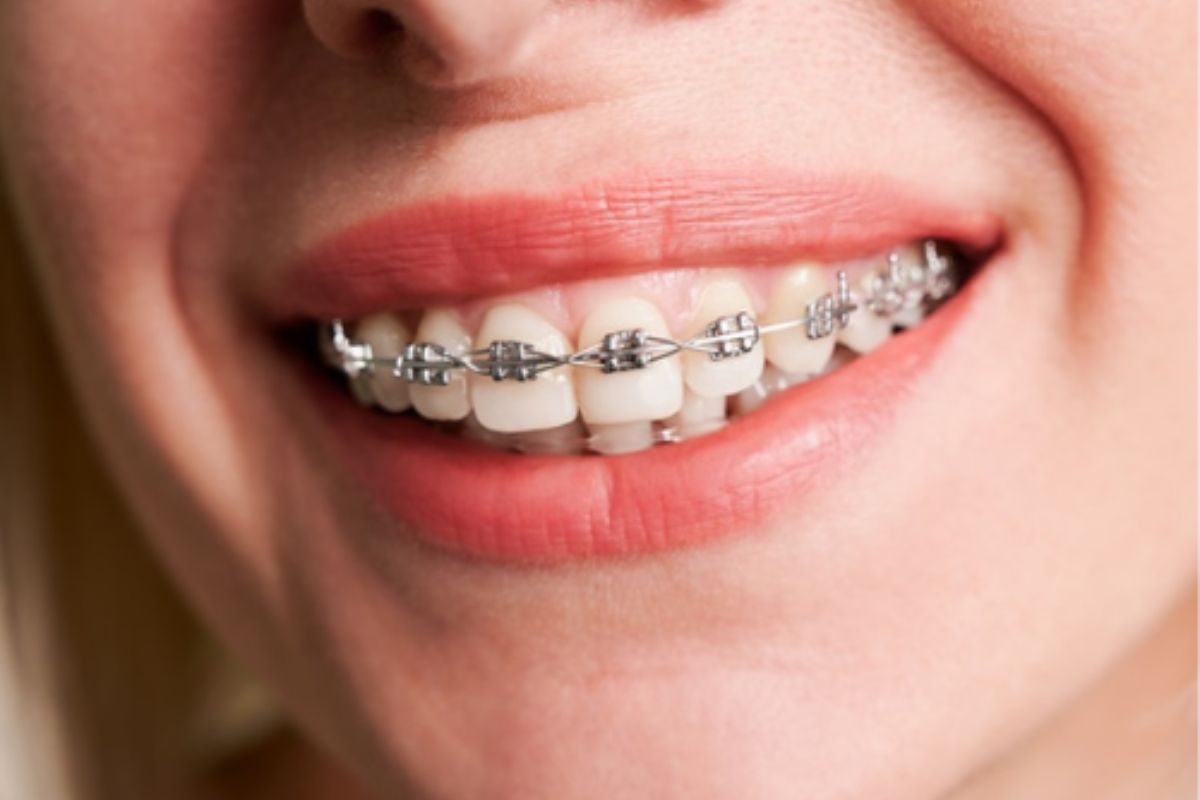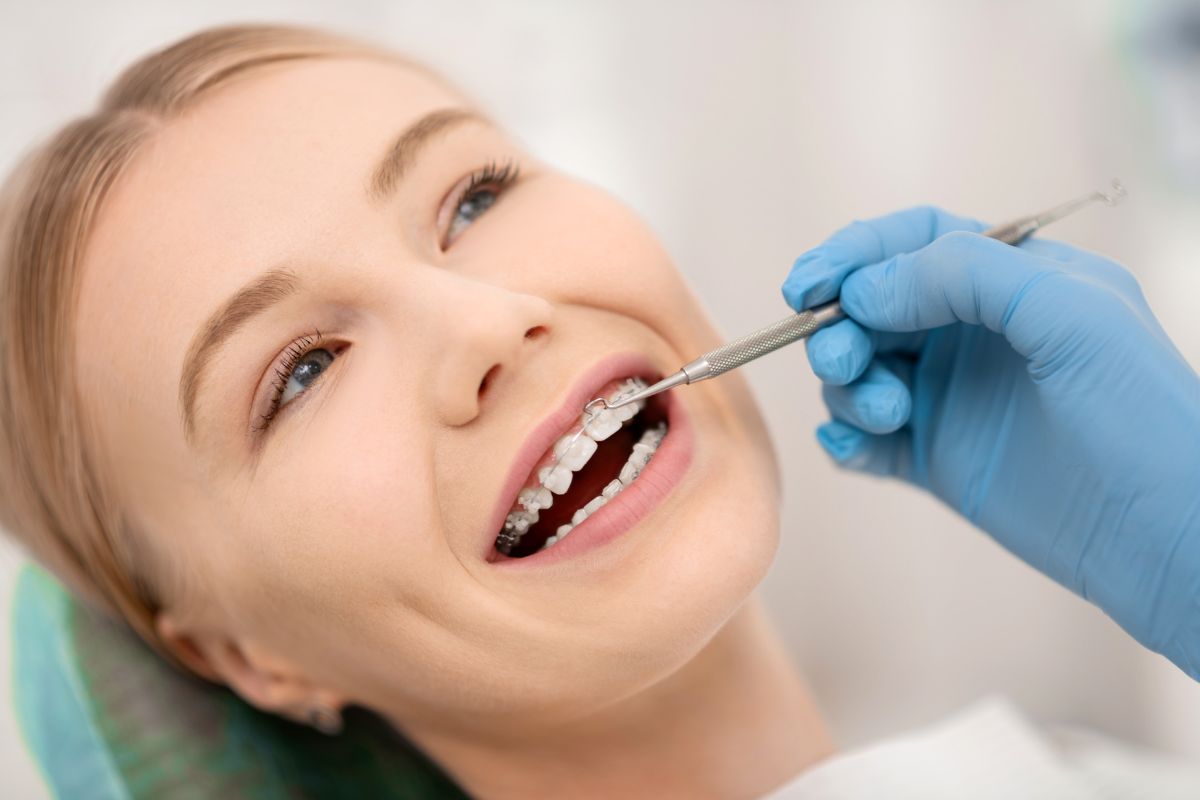
So, you’ve finally finished your orthodontic treatment—congratulations! After months or even years of wearing braces or aligners, you’re excited to show off your beautifully straight smile. But wait, your orthodontist hands you a retainer and tells you to wear it regularly. Why? Because without a retainer, your teeth could start shifting back to their original positions. Let’s explore why retainers are so important and how they help keep your smile straight for the long haul.
The Purpose of Retainers
Retainers are orthodontic devices designed to maintain the results of braces or aligners by holding your teeth in their new, corrected positions. After orthodontic treatment, your teeth are still prone to movement. The bone and surrounding tissues need time to stabilize, and retainers provide the necessary support to prevent your teeth from drifting out of place. Without a retainer, all the effort and investment in straightening your teeth could go to waste.
How Do Retainers Keep Teeth Straight?
Retainers work by stabilizing your teeth and ensuring they don’t shift back. Here’s how they help:
1. Holding Teeth in Position
Once braces or aligners move your teeth into their ideal alignment, retainers help keep them there. Your teeth and surrounding tissues need time to adjust to their new placements, and a retainer ensures they stay put.
2. Preventing Orthodontic Relapse
Teeth naturally tend to shift over time due to factors like chewing, tongue pressure, and even aging. A retainer helps combat this movement, ensuring your teeth don’t revert to their pre-treatment positions.
3. Supporting Bone and Tissue Adjustment
When your teeth move, the surrounding bone and ligaments also need time to reshape. Retainers in Broken Arrow hold your teeth in place while these supporting structures rebuild and strengthen around them.
4. Accommodating Growth and Changes
For younger patients, the jaw and teeth continue to develop. Retainers help guide teeth into a stable alignment as the mouth grows, reducing the risk of future misalignment.
Types of Retainers and Their Benefits
There are two primary types of retainers: fixed (permanent) retainers and removable retainers. Each has its own benefits, depending on your needs and lifestyle.
Fixed Retainers
These are thin wires bonded to the back of the teeth, typically on the lower front teeth.
Benefits:
- Provides constant support without requiring patient compliance
- Hidden behind the teeth, making them invisible
- Reduces the risk of forgetting or losing the retainer
Removable Retainers
These can be taken out for eating, brushing, and special occasions. They come in two types:
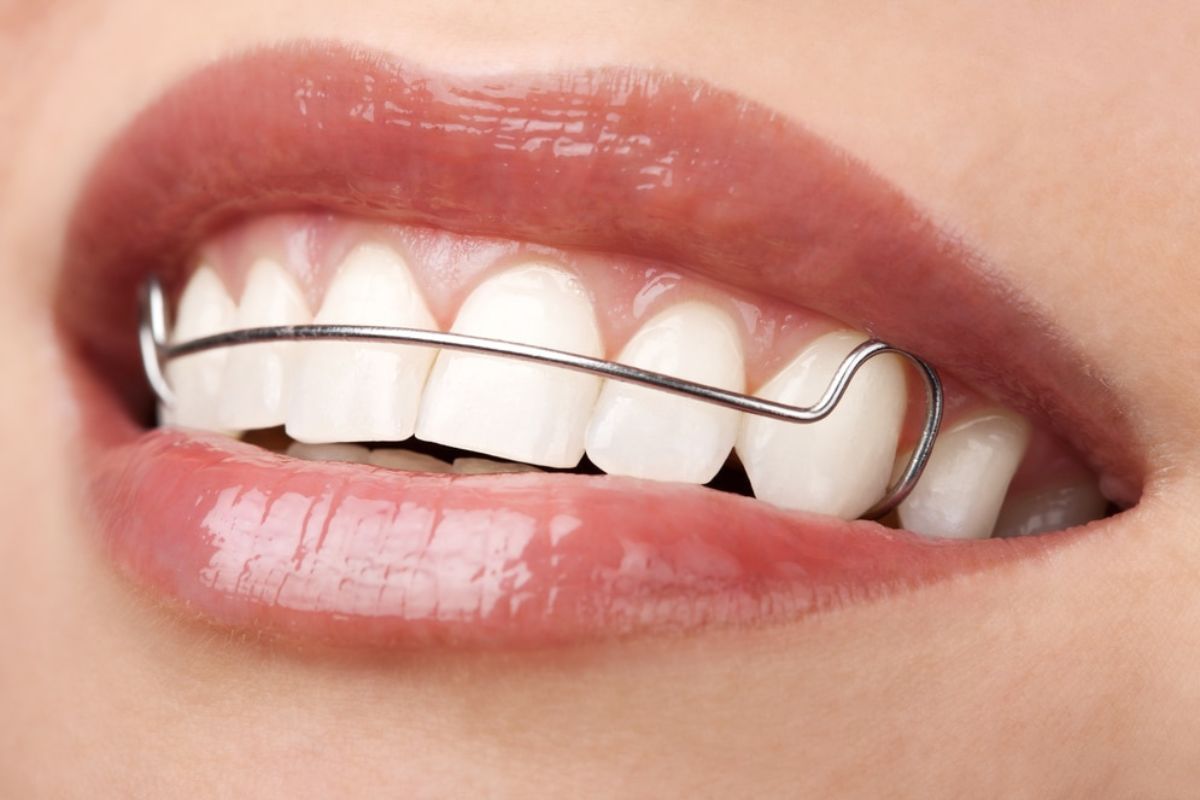
- Hawley Retainers: Made of acrylic and metal wire, these are durable and adjustable.
- Clear Retainers (Essix Retainers): Made of clear plastic, these are less noticeable and resemble Invisalign aligners.
Benefits:
- Easy to clean and maintain
- Allows for better oral hygiene
- More comfortable for some patients
How Long Do You Need to Wear a Retainer?
In Broken Arrow, most orthodontists recommend wearing retainers full-time for at least a few months to a year after finishing orthodontic treatment. After that, many people switch to wearing their retainers only at night.
However, to prevent long-term shifting, retainers should be worn for life, at least a few nights a week. If you stop wearing your retainer altogether, your teeth may start moving back, undoing all the progress you’ve made.
The Importance of Wearing Your Retainer Consistently
Think of your retainer as an insurance policy for your smile. Skipping it—even for a short period—can lead to noticeable movement. If your retainer feels tight after not wearing it for a few days, that’s a sign your teeth are shifting. The best way to avoid needing braces again is to wear your retainer as directed by your orthodontist in Broken Arrow.
Tips for Retainer Care:
- Clean it daily with a toothbrush and mild soap or a retainer cleaner (avoid hot water).
- Store it properly in a protective case when not in use.
- Avoid biting on hard foods that could damage it.
- Schedule regular check-ups to ensure it still fits properly.
A straight smile requires ongoing maintenance, and retainers are the key to preserving your orthodontic results. Whether you have a fixed or removable retainer, wearing it consistently will keep your teeth in perfect alignment for years to come. If you have any questions about retainers or need a replacement, don’t hesitate to contact an orthodontist near you who can guide you in maintaining your smile.